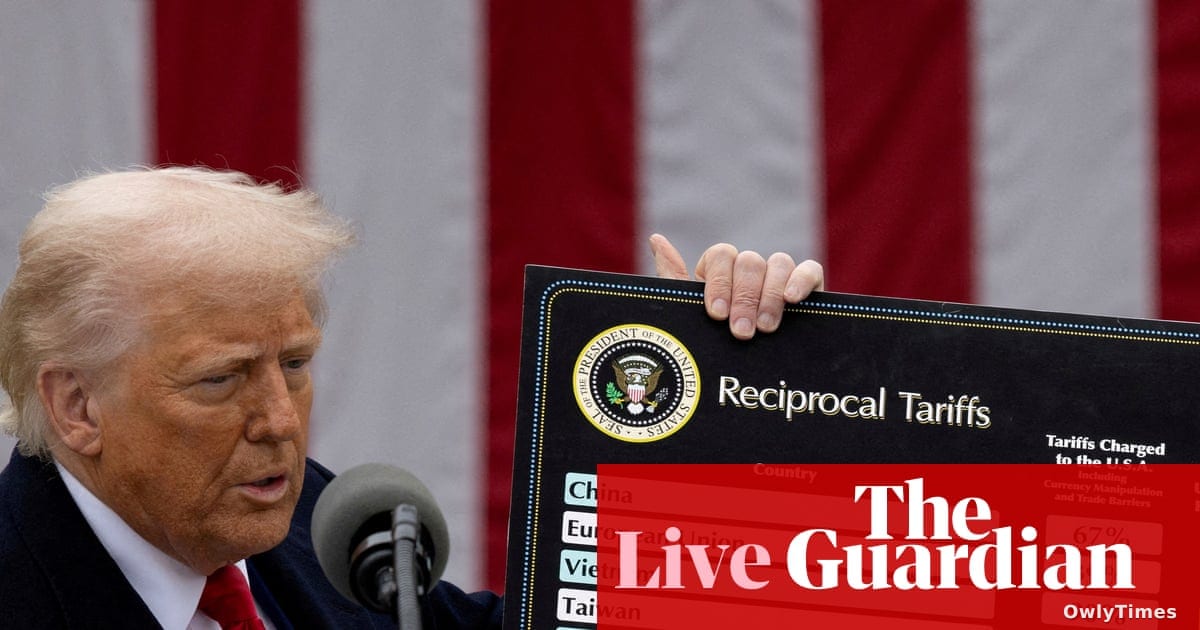

The launch of the Consolidated Administration and Processing of Entries (CAPE) tool represents a tactical retreat by the Trump administration, forced by judicial intervention to relinquish control over $166 billion in contested revenue. By opening an online portal for tariff refunds, the administration is attempting to formalize a process that was previously defined by executive overreach under the International Emergency Economic Powers Act (IEEPA). The strategic calculus here is clear: by centralizing the repayment process through US Customs and Border Protection (CBP), the White House seeks to contain the political fallout of a Supreme Court rebuke while managing the logistical burden of untangling over 53 million individual shipments.
The Cost of Overstepping Constitutional Bounds
The scale of this refund program is unprecedented, affecting more than 330,000 importers who bore the brunt of the invalidated levies. The $166 billion figure serves as a sobering metric of the administration’s previous fiscal strategy, which prioritized protectionist barriers over constitutional adherence. While the administration is now facilitating the return of these funds, the friction inherent in the process—specifically the 60-90 day window for refund issuance upon claim approval—suggests an intent to slow the velocity of capital exiting federal coffers.
Who benefits and who loses in this transition is dictated by the administrative hurdles of the CAPE system. Large-scale entities like FedEx and Costco, among the 3,000-plus businesses that sued to recoup losses, possess the legal and accounting infrastructure to navigate the new portal with ease. Conversely, the 200,000 small business importers identified by the US Chamber of Commerce face a precarious recovery. For these firms, which Dan Anthony of the coalition We Pay the Tariffs notes have already frozen hiring and canceled expansion plans to cover these costs, the "onerous processes" of a federal claim portal may act as a de facto tax on their ability to reclaim their own capital.
Historical Parallels and Economic Volatility
The current standoff mirrors the historical tension between executive emergency powers and the legislative authority of the purse. Much like the legislative challenges faced during the 2008 financial crisis when regulatory frameworks were forced to adapt to systemic instability, the Trump administration is now being compelled to institutionalize a refund mechanism that effectively undoes years of trade policy. The urgency of this refund is amplified by broader geopolitical instability, as evidenced by the 4.8% spike in Brent crude prices to $94.69 a barrel following the seizure of an Iranian vessel. When domestic economic correction—the repayment of $127 billion to pre-authorized electronic payment holders—collides with external shocks, the administration’s capacity to project stability is severely tested.
The Next Regulatory Trigger
The effectiveness of this repayment scheme will not be measured by the launch of the portal at 8am ET, but by the actual flow of capital back to the private sector. The 60-90 day processing window set by the CBP creates a definitive timeline for accountability. The next reading of the total dollar amount successfully disbursed through the CAPE tool will serve as the primary indicator of whether the administration is prioritizing a swift economic reconciliation or utilizing bureaucratic inertia to retain liquidity. Until these disbursements hit company balance sheets, the legal victory for businesses remains, as noted by industry advocates, a potential exercise in empty relief.