
A $1 Million Intervention: Tampa Bay Chamber Tackles Entrepreneurial Suicide Risk
A staggering 20.9% of U.S. adults experience mental illness each year, but within the entrepreneurial community, that figure translates to a crisis of a different order. The Tampa Bay Black Chamber of Commerce is responding with a $1 million campaign, born from the alarming statistic that business owners represent the second-highest demographic for suicide in the United States. This isn’t simply a business initiative; it’s a direct acknowledgement of a public health emergency unfolding within the region’s small business sector, and a significant departure from traditional economic development strategies. Follow the money, and you’ll find this campaign isn’t just about funding businesses, it’s about funding survival.
This piece references the wmnf.org report.
The Outdated Blueprint and Rising Desperation
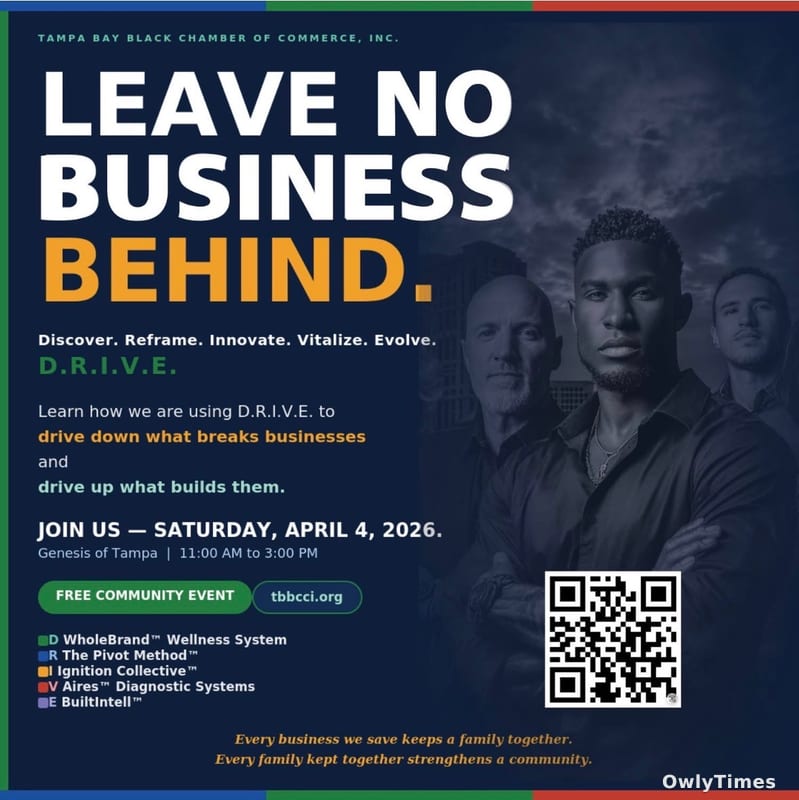
The Chamber’s “No Business Left Behind” initiative, aiming to serve 500 entrepreneurs in the Tampa Bay area, is predicated on a core observation articulated by Kimmisha Michels, the Chamber’s board vice president: current business education is fundamentally flawed. “How we were taught to build a business is outdated,” Michels stated, pinpointing a disconnect between traditional models and the realities of a rapidly evolving technological landscape. This isn’t a critique of individual business owners, but a systemic issue. While national small business failure rates hover around 20% within the first five years, data specific to minority-owned businesses consistently demonstrates higher rates – a gap often attributed to limited access to capital and outdated operational knowledge. The $1 million isn’t intended to simply patch holes in failing businesses, but to proactively equip entrepreneurs with the tools to navigate a complex environment.
D.R.I.V.E: A Holistic Approach to Business Resilience
The campaign’s core program, D.R.I.V.E., is structured around five pillars: decreasing business failure, mental health crises, financial desperation, and isolation, while simultaneously increasing resilience, revenue stability, innovation, and community wealth-building. This holistic approach is crucial. Traditional business support often focuses solely on financial metrics, overlooking the immense psychological and emotional toll of entrepreneurship. The Chamber’s decision to partner with the Florida Medical Clinic for free health screenings at the April 4th launch event at Genesis of Tampa underscores this commitment to well-being. This isn’t a typical ribbon-cutting; it’s a triage operation, recognizing that a business can’t thrive if its owner is struggling. The raffle, offering prizes from gas cards to dinners, is a clever tactic – a low-barrier entry point for fundraising that simultaneously acknowledges the everyday financial pressures faced by entrepreneurs.
Beyond Qualification: The Power of Unrestricted Funding
The Chamber’s fundraising goal of $1 million isn’t arbitrary. According to the Small Business Administration, the average startup cost in Florida is approximately $10,000, but many businesses require ongoing capital for marketing, inventory, and operational expenses. Michels explicitly states the fund’s intention to bypass traditional qualification hurdles. “The goal is to raise the million dollars so that we can service those vulnerable businesses by giving them the support that they need without it being tied to, oh well, you financially don’t qualify.” This is a critical point. Traditional lending often excludes businesses with limited credit history or collateral, disproportionately impacting minority entrepreneurs. The planned allocation – stipends, micro-grants, and direct micro-lending – represents a deliberate attempt to democratize access to capital and address systemic inequities. This approach contrasts sharply with many government-backed loan programs, which often require extensive paperwork and stringent credit checks.
What This Means for Your Wallet
The Tampa Bay Black Chamber of Commerce’s initiative signals a broader shift in how we understand and address entrepreneurial risk. It’s a recognition that a healthy economy isn’t just about GDP growth, but about the well-being of the individuals driving that growth. For consumers, this means a more vibrant and resilient local business ecosystem. A thriving small business sector translates to more jobs, increased competition, and a wider range of goods and services. But the key question remains: will $1 million be enough to address the scale of the problem? Watch for the Chamber’s progress in tracking not just the number of businesses served, but also measurable improvements in the mental health and financial stability of participating entrepreneurs. The success of this campaign could serve as a blueprint for other chambers across the country, but its failure would underscore the urgent need for a more comprehensive national strategy to support the often-invisible struggles of America’s business owners.





