
Beyond the Headlines: Addressing the Silent Mental Health Crisis of Online Violence
The sheer scale of digital violence against women is often obscured by the abstract nature of the harm. While statistics like the global figure of 23% of women experiencing digital violence are alarming, they fail to capture the insidious erosion of mental wellbeing that accompanies online harassment, cyberstalking, and doxxing. The recent surge in reported cases in Indonesia – a 40.8% increase reaching 1,791 incidents in 2024 – isn’t simply a matter of more incidents being reported; it signals a likely escalation in the frequency and severity of these attacks, and a growing recognition of their real-world consequences. The focus, however, shouldn’t solely be on the numbers, but on the fact that the vast majority of survivors remain silent, suffering in isolation. This silence is what prompted the recent collaborative effort between the World Health Organization (WHO) and the Indonesian Ministry of Health (MoH), and what demands a more nuanced understanding of how we respond.
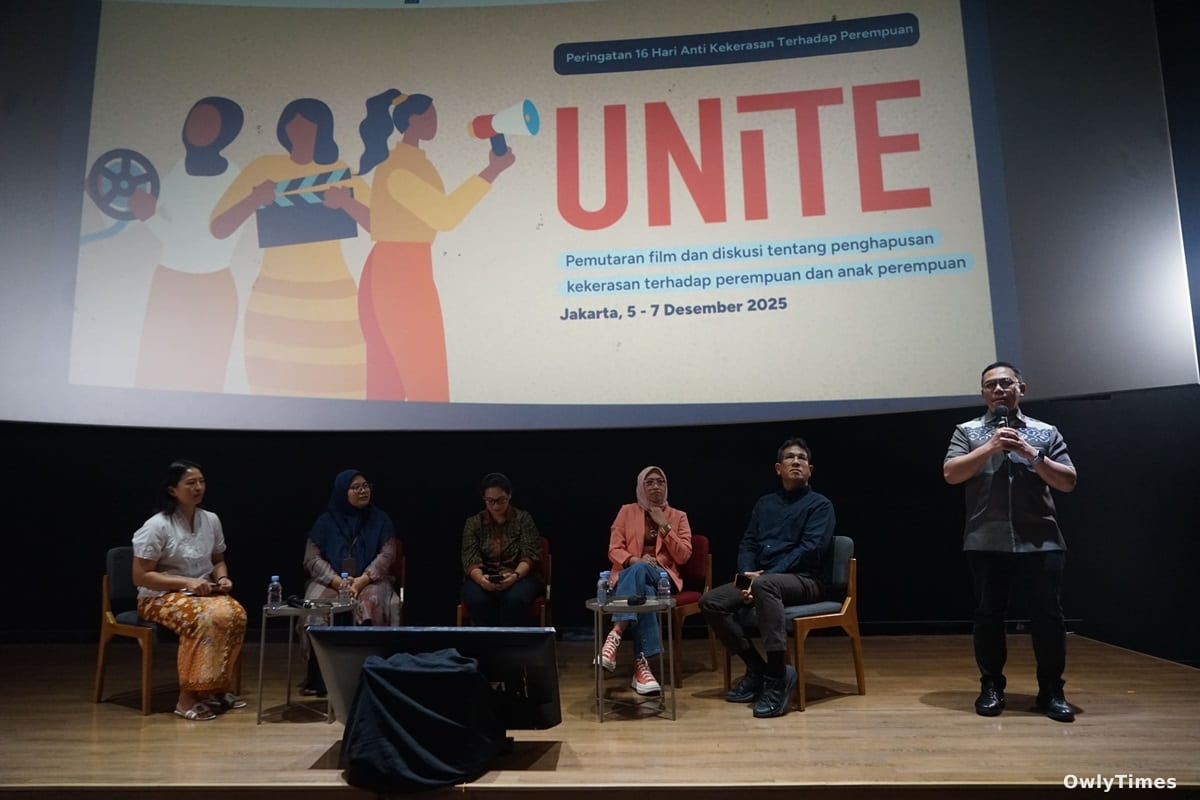
The December 6th, 2025 talk show, part of the UNiTE campaign’s 16 Days of Activism against Gender-Based Violence, wasn’t about unveiling a new technological solution or policy change. Instead, it centered on a surprisingly low-tech intervention: psychological first aid. Often, media coverage focuses on platform accountability – what Meta is doing to update community guidelines, for example – and while crucial, this overlooks the immediate, human need for support. The event, featuring voices from Meta, the Indonesian Clinical Psychologist Association, and Dr. Vivi Syarif, a WHO Fides content creator, deliberately brought together stakeholders from technology, public health, and mental health to emphasize that addressing digital violence requires a multi-faceted approach. The core message wasn’t about stopping the violence (though prevention is vital), but about mitigating its harm after it occurs.
Drawn from who.int.
This emphasis on immediate support draws from the established “look, listen, link” framework outlined in the Psychological First Aid: Guide for Field Workers, a standardized resource for over a decade. This isn’t a novel therapeutic technique, but a practical set of skills anyone can learn: ensuring the survivor’s immediate safety, actively listening to their experience without judgment, and connecting them with appropriate resources – be it mental health professionals, legal aid, or support networks. Yunus, National Professional Officer (Gender, Equity, Rights and Disability Inclusion) at WHO Indonesia, frames this as a public health approach, recognizing that digital violence isn’t simply a personal problem, but a societal one with demonstrable impacts on individual and collective wellbeing. The talk show’s intention was to empower communities to become first responders, bridging the gap between the moment of harm and access to professional help.
However, it’s important to clarify what this intervention doesn’t promise. Headlines proclaiming “psychological first aid solves digital violence” are misleading. This framework is not a cure, nor is it a substitute for comprehensive mental healthcare. It’s a crucial first step, designed to stabilize a survivor in the immediate aftermath of trauma and facilitate access to longer-term support. Furthermore, the effectiveness of this approach hinges on widespread training and accessibility. Simply disseminating the “look, listen, link” principles isn’t enough; communities need to be equipped with the resources and knowledge to implement them effectively. The involvement of Meta is also a complex factor. While their commitment to updating community guidelines is positive, it’s crucial to remember that platforms profit from user engagement, and the algorithms that drive that engagement can inadvertently amplify harmful content.
Limitations to consider include the cultural context of Indonesia, where stigma surrounding mental health can be a significant barrier to seeking help. Even with increased awareness, survivors may be hesitant to come forward due to fear of judgment or retaliation. Additionally, the reliance on reporting mechanisms within platforms like Meta places the onus on survivors to navigate often-complex and frustrating systems. The 40.8% increase in reported cases could also reflect improved reporting infrastructure rather than a genuine surge in incidents. Finally, the long-term mental health consequences of digital violence are still being studied, and the effectiveness of psychological first aid in mitigating these consequences requires further investigation.
The next critical research step is to evaluate the impact of widespread psychological first aid training on rates of help-seeking behavior among survivors of digital violence in Indonesia. Specifically, researchers should track whether increased awareness of support resources translates into increased utilization of mental health services. Beyond that, we need to understand how different forms of digital violence – cyberstalking versus online harassment, for example – impact mental health differently, and tailor interventions accordingly. The question now isn’t simply whether we can make digital spaces safer, but whether we can build a society that genuinely supports those who are harmed within them. Will we see a measurable shift in survivor behavior – a willingness to seek help – within the next year following the widespread dissemination of these principles? That will be the true measure of this initiative’s success.