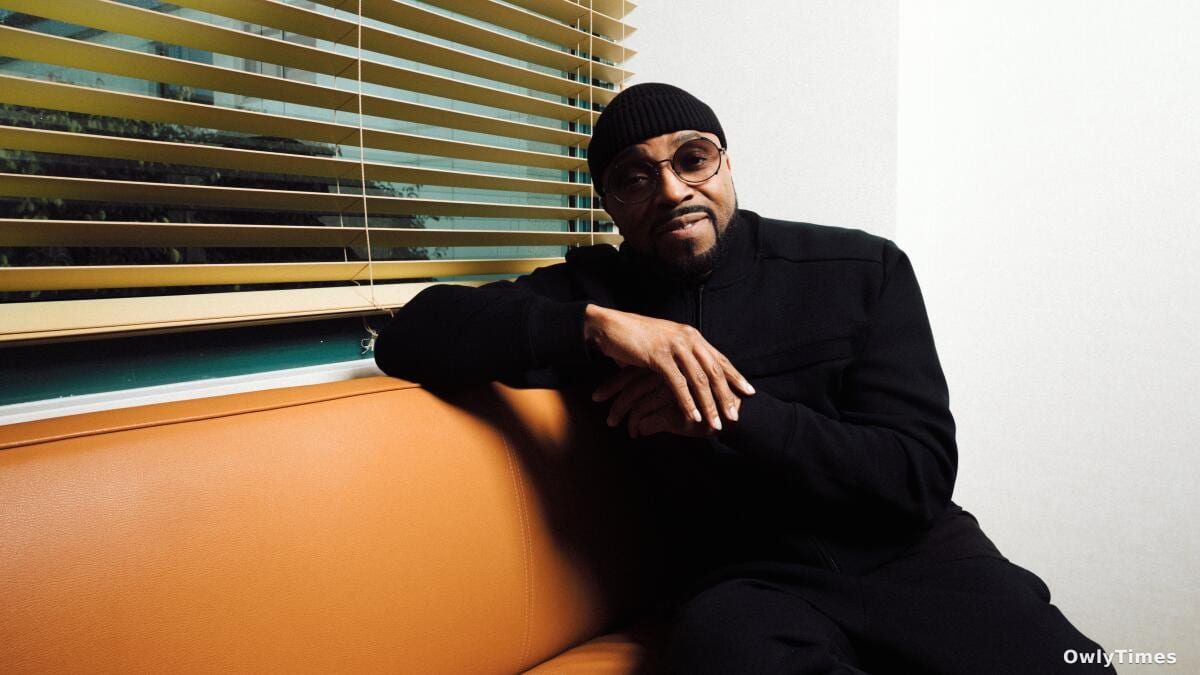

The bass throbbed, a phantom echo of Chicago house parties and New Jack Swing’s reign. It was a sound Teddy Riley built an empire on, a sound that defined a generation. But on Wednesday, February 19th, 2026, that same bass felt…tainted. The veteran producer, the architect of hits for Michael Jackson, Bobby Brown, and countless others, casually dropped a bombshell in an interview with The Times: he was “bringing in investors” to release music recorded by R. Kelly while the singer serves a 30-year sentence for racketeering and sex trafficking. The immediate backlash wasn’t about the music itself, but about what Riley’s willingness to collaborate signaled about the industry’s appetite for separating art from artist, and the lingering question of forgiveness in the face of unimaginable harm.
The initial statement – “Everybody deserves a second chance” – landed with a thud, instantly igniting a firestorm on social media. It wasn’t a novel sentiment, of course. The debate over “cancellation” and redemption arcs has become a defining cultural battleground, particularly in the entertainment world. But this wasn’t a case of a celebrity making a problematic tweet or facing accusations; R. Kelly was convicted of horrific crimes, crimes meticulously detailed during a trial that laid bare decades of abuse. To suggest a “second chance” felt less like grace and more like a slap in the face to survivors. Riley’s claim that “People miss [Kelly’s] music. I’m the messenger to bring R&B back” felt particularly tone-deaf, framing the desire for nostalgic sounds as justification for potentially profiting from a convicted predator. The idea that Kelly had recorded 25 albums while incarcerated – a figure that immediately raised eyebrows given the logistical challenges – only added fuel to the fire.
The speed of the reversal, however, is what truly speaks volumes. Less than 24 hours after the initial interview, Riley issued a carefully worded apology via Instagram, walking back his comments and framing the collaboration as merely “a creative idea discussed in passing.” He acknowledged the “very real pain” experienced by survivors and emphasized that his intention wasn’t to cause hurt. This wasn’t a spontaneous change of heart; it was a calculated response to overwhelming public pressure. The shift is a stark illustration of the power of social media to hold figures accountable, and the financial risks associated with aligning oneself with a controversial artist. Industry analysts estimate that even a limited release of Kelly’s prison recordings could generate upwards of $5 million in revenue, but that figure is contingent on distribution platforms – Spotify, Apple Music, Amazon – agreeing to host the music. As of Thursday evening, none had publicly committed.
Drawn from the Los Angeles Times.
This isn’t simply about R. Kelly or Teddy Riley. It’s about a broader reckoning within the music industry, a struggle to reconcile the demands of artistic expression with the imperative of social responsibility. For decades, the industry operated under a “don’t ask, don’t tell” policy regarding the personal lives of artists, prioritizing sales and streams over ethical considerations. The #MeToo movement shattered that illusion, forcing a long-overdue conversation about power dynamics and accountability. But the question remains: how far does that accountability extend? Can an artist truly be separated from their work? And who gets to decide when, or if, redemption is possible? The fact that Riley initially considered the project, even briefly, suggests a lingering temptation to prioritize profit over principle.
Riley’s new memoir, “Remember the Times,” published earlier this month, ironically attempts to solidify his legacy as a musical innovator. But this episode threatens to overshadow that narrative, raising questions about his judgment and his understanding of the harm caused by R. Kelly. The industry is now watching closely to see if this is an isolated incident, or a harbinger of further attempts to rehabilitate disgraced artists. Will other producers and labels test the waters, hoping to capitalize on nostalgia while minimizing the risk of backlash? The real question isn’t whether R. Kelly’s music will see the light of day, but whether the industry will continue to prioritize artistic “second chances” over the well-being and voices of survivors.