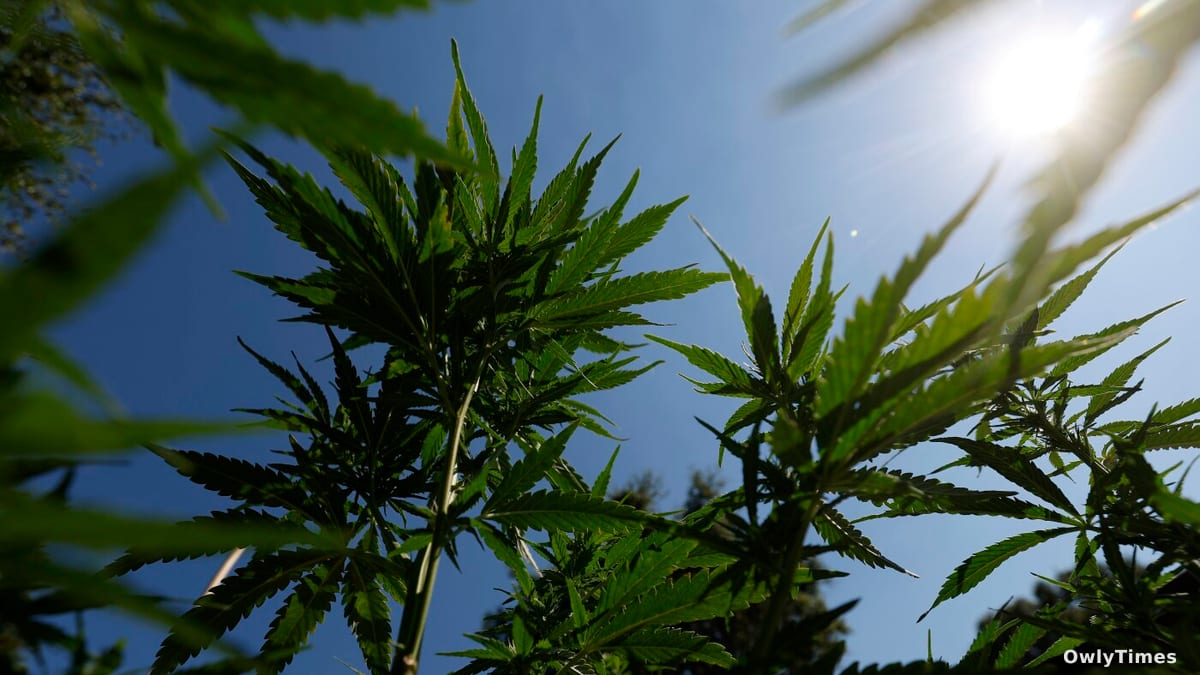

The widespread perception of cannabis as a benign or even therapeutic substance is colliding with a growing body of evidence suggesting significant mental health risks, particularly for adolescents. A new study, published in JAMA Health Forum, adds considerable weight to these concerns, demonstrating a clear association between adolescent cannabis use and a heightened risk of developing bipolar and psychotic disorders, as well as anxiety and depression, years later. This isn’t simply a correlation; the study’s design attempts to address the longstanding “chicken or the egg” question – does cannabis cause these conditions, or do individuals predisposed to them simply turn to the drug? The findings, while not definitive proof of causation, strongly suggest a preventative link that demands attention as cannabis legalization expands.
A Longitudinal Look at Risk
Researchers, led by Dr. Lynn Silver of the Public Health Institute, analyzed health data from an impressive cohort: nearly 460,000 teenagers within the Kaiser Permanente Health System in Northern California. Crucially, the study followed these individuals until age 25, tracking both substance use and mental health diagnoses recorded in their health records. What sets this research apart is its proactive exclusion of adolescents already exhibiting symptoms of mental illness at the study’s outset. This methodological rigor is vital, as previous studies often struggled to disentangle whether cannabis use preceded mental health issues, or vice versa – a common challenge in this field. Dr. Silver and her team specifically “looked at kids using cannabis before they had any evidence of these psychiatric conditions and then followed them to understand if they were more likely or less likely to develop them.” The results revealed a concerning trend: teens who reported recent cannabis use faced double the risk of being diagnosed with bipolar disorder or a psychotic disorder, such as schizophrenia, compared to their non-using peers. While the absolute number of diagnoses within these categories remained relatively small – approximately 4,000 teens across the entire study population – the increased risk is statistically significant and clinically meaningful, as these are among the most debilitating mental illnesses.
Based on the original NPR report.
Beyond Psychosis: Anxiety and Depression Also Linked
The study’s findings extend beyond the most severe diagnoses. Cannabis use was also associated with a 30% increase in the risk of depression and a 25% increase in the risk of anxiety. However, the link between cannabis and these more common conditions appeared weaker for adolescents who initiated use at an older age. This observation underscores the vulnerability of the developing adolescent brain. Dr. Silver explains that “the effects of cannabis on the receptors in the brain seem to have a significant impact on their neurological development and the risk for these mental health disorders.” This developmental sensitivity is a key takeaway, suggesting that earlier exposure may have more profound and lasting consequences. It’s important to note that the study doesn’t quantify how much cannabis use constitutes a risk, only that any reported use was associated with increased odds of diagnosis.
The Economic Weight of Mental Illness
The implications of these findings extend far beyond individual health. Dr. Ryan Sultan, a psychiatrist at Columbia University who was not involved in the study, described the results as “very, very, very worrying.” He highlights the substantial societal costs associated with serious mental illnesses, particularly schizophrenia, which is estimated at $350 billion annually in the United States. Dr. Silver points out a stark economic reality: “And if we increase the number of people who develop that condition in a way that's preventable, that can wipe out the whole value of the cannabis market.” This statement isn’t meant to diminish the economic benefits of the cannabis industry, which is currently valued in the tens of billions of dollars, but rather to frame the potential public health cost in a way that resonates with policymakers and investors. The potential for increased rates of debilitating mental illness represents a significant, and often overlooked, societal burden.
Limitations to Consider
While the study’s methodology is robust, several limitations warrant consideration. The data relies on diagnoses recorded within the Kaiser Permanente health system, which may not perfectly reflect the prevalence of mental illness in the broader population. Furthermore, the study only assessed cannabis use based on self-reporting, which is subject to recall bias and potential underreporting. It’s also crucial to remember that correlation does not equal causation. While the study excluded individuals with pre-existing mental health conditions, it cannot definitively prove that cannabis causes these disorders. Other confounding factors, such as genetics, family history, and environmental stressors, undoubtedly play a role. Dr. Sultan emphasizes that mental health disorders are complex and multi-faceted, with a host of contributing factors.
Future Research and What to Watch For
The next crucial step is to investigate the specific mechanisms by which cannabis may contribute to the development of mental illness. Researchers need to explore the impact of different cannabis strains, dosages, and methods of consumption on brain development and function. Longitudinal studies with more frequent assessments of cannabis use and mental health symptoms are also needed. Perhaps most importantly, future research should focus on identifying individuals who are particularly vulnerable to the adverse effects of cannabis, allowing for targeted prevention and intervention strategies. Clinicians are already observing a rise in mental health symptoms among adolescent cannabis users, and this study provides further evidence to support those observations. As cannabis legalization continues to expand, it will be critical to monitor trends in adolescent cannabis use and mental health outcomes to assess the long-term consequences of this evolving landscape. Parents, educators, and healthcare providers should be prepared to discuss the potential risks of cannabis use with young people and to recognize the early warning signs of mental health problems. The question now isn’t simply whether cannabis is harmful, but for whom and under what circumstances?





