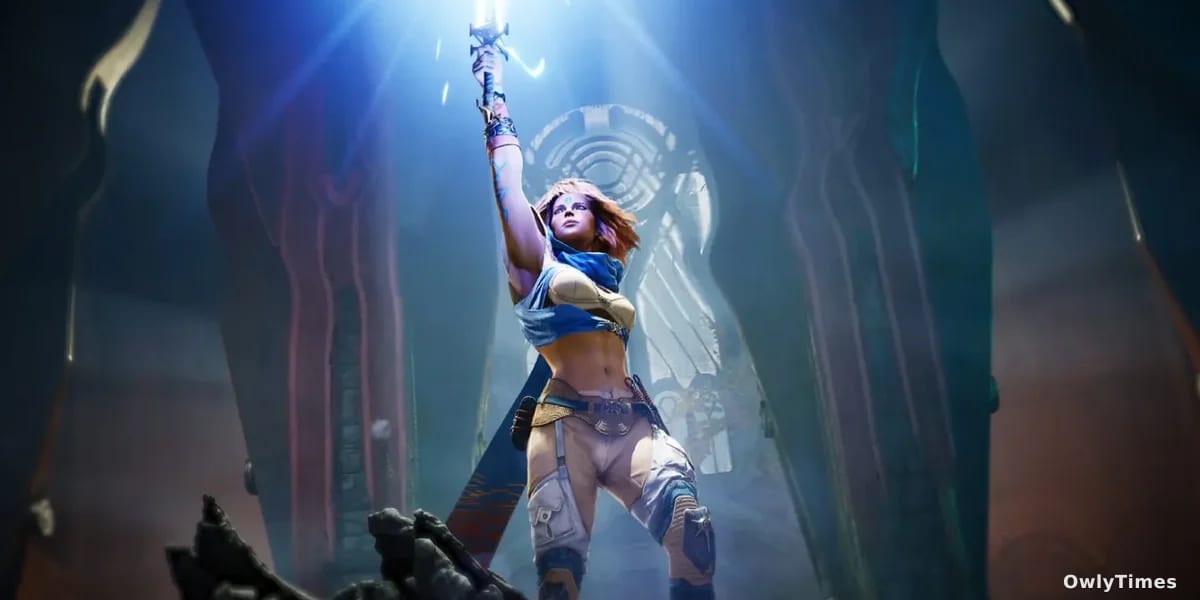

The hushed reverence surrounding Highguard, the medieval fantasy RPG unveiled with such fanfare at The Game Awards last December, feels a world away from the quiet layoffs announced by developer Wildlight Entertainment just last week. The game, promising a unique blend of cooperative storytelling and procedural generation, arrived to a chorus of “what ifs” rather than resounding praise. But beyond the mixed reviews and studio restructuring lies a story of obscured funding, strategic silence, and the increasingly complex dance between Western game developers and Chinese investment – a dance where the lead isn’t always who they appear to be.
The Illusion of Independence
Dusty Welch, CEO and founder of Wildlight, has consistently positioned his studio as a bastion of independence. In interviews, he’s emphasized that Wildlight operates “without the support of a big organisation,” deliberately avoiding discussion of its financial underpinnings. This carefully constructed narrative, however, is now under scrutiny following a report by Game File detailing that Tencent subsidiary TiMi Studio Group was, in fact, the “lead financial backer” of Wildlight since its formation in 2023. The discrepancy between Welch’s public statements and this alleged financial reality isn’t simply a PR misstep; it speaks to a broader trend of Western studios downplaying Chinese investment, perhaps fearing a backlash from players wary of perceived censorship or creative control. This isn’t a new phenomenon. The gaming industry has long navigated the delicate balance of accessing crucial funding while maintaining a distinct brand identity, but the scale of Tencent’s involvement – and the deliberate opacity surrounding it – feels particularly noteworthy.
Tencent’s Expanding Footprint
Tencent’s investment strategy in the West is hardly subtle. The company already holds a minority stake in Epic Games and a majority stake in Riot Games, and recently poured over $1 billion into Ubisoft’s Vantage Studios. These aren’t passive investments; they represent a calculated effort to gain a foothold in key Western markets and access established intellectual property. The reported backing of Wildlight, though the details remain murky – including whether the funding is ongoing – fits neatly into this pattern. What’s different here is the level of secrecy. While Tencent typically doesn’t shy away from announcing its major investments, the alleged relationship with Wildlight was actively concealed, raising questions about the motivations behind the silence. Was it a strategic decision to allow Wildlight to cultivate an “independent” image, or was there concern about how the public would react to Tencent’s involvement given the current geopolitical climate and anxieties surrounding data privacy?
Reporting from gamesindustry.biz informs this analysis.
Highguard’s Launch and the Fallout
The timing of this revelation is particularly stinging for Wildlight. Highguard launched to a lukewarm reception, with players praising its ambitious concepts but criticizing its technical issues and lack of polish. The game currently holds a “Mixed” rating on Steam, based on over 2,500 user reviews – a far cry from the critical acclaim many anticipated given the pedigree of the founding team, comprised of veterans from Respawn Entertainment (the studio behind Apex Legends and Titanfall). The subsequent layoffs, described by Wildlight as “incredibly difficult,” suggest that the game’s performance fell significantly short of expectations. While Welch publicly expressed regret that the game “had been received better,” the undisclosed financial backing from Tencent adds another layer of complexity to the narrative. Did the pressure to deliver a commercially successful title, coupled with the constraints of a potentially demanding investor, contribute to the game’s rushed launch and subsequent shortcomings?
What This Means for the Future of Indie Development
The Wildlight situation isn’t just about one game or one studio. It’s a microcosm of the challenges facing independent developers in an increasingly consolidated industry. Securing funding is notoriously difficult, and Chinese investment often represents a lifeline. However, accepting that funding can come with strings attached – and a potential need to manage public perception. The question now is whether this incident will lead to greater transparency in the industry, or will it simply encourage more studios to operate under a veil of secrecy? Will players demand greater disclosure of funding sources, and will investors be willing to accommodate those demands? The future of independent game development may well depend on the answers. We’re likely to see a growing scrutiny of studio narratives, and a demand for clarity about who really holds the purse strings. The industry needs to grapple with the tension between accessing vital capital and maintaining creative autonomy – and the public deserves to know where that line is drawn.