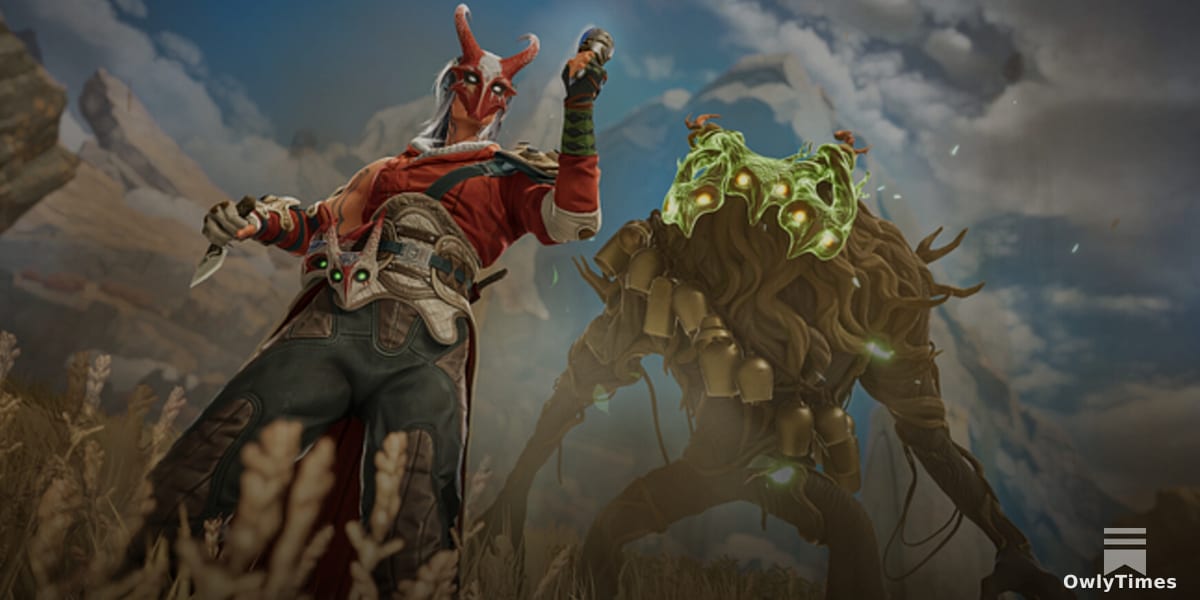

The chipped ceramic of my mug warmed my hands, but couldn’t quite chase away the chill of the news. It was late February 2027, and the fallout from Highguard’s launch was still echoing through the gaming world – a cacophony of refund requests, scathing reviews, and accusations of predatory monetization. But the real tremor, the one that sent a shiver down the spines of industry watchers, wasn’t about the game itself. It was the revelation, finally surfacing in whispers then confirmed by sources to Game File, that Tencent, the Chinese gaming behemoth, had been the silent architect of Wildlight Entertainment’s entire operation. This wasn’t just a funding round; it was a full-scale, undisclosed investment in a studio built to deliver a very specific kind of gaming experience, and the consequences are forcing a reckoning with how independent studios navigate a landscape increasingly dominated by global capital.
The Illusion of Independence
Highguard promised a fresh take on the hero shooter genre, a vibrant world steeped in Arthurian legend, and – crucially – a free-to-play model. It arrived with a marketing blitz, fueled by a seemingly scrappy, independent studio in Wildlight Entertainment. The game’s initial reception was…complicated. Players praised the core gameplay, but almost immediately slammed the aggressive microtransactions. Cosmetic items were expensive, progression felt deliberately slowed without purchases, and a “battle pass” system felt less like optional extras and more like a mandatory tax on enjoyment. The discourse quickly turned toxic, with accusations of “pay-to-win” dominating forums and social media. But the outrage felt different than the usual launch-day grumbles. It felt…engineered. Now we know why. The game wasn’t designed to be good in the traditional sense; it was designed to monetize.
Source material: gamefile.news.
The fact that Tencent remained in the shadows while Wildlight presented itself as an independent entity is the core of the issue. Tencent’s strategy, across its vast portfolio of investments, has often involved acquiring stakes in studios and allowing them to operate with a degree of creative freedom – until that freedom clashes with revenue targets. In 2023, Tencent held stakes in over 300 companies globally, with a total investment value exceeding $85 billion. This isn’t about malicious control, necessarily, but about aligning creative output with a very specific financial model. Highguard wasn’t a passion project gone wrong; it was a calculated risk, a test case for how far a studio could push monetization before triggering a full-blown player revolt. And the fact that neither company offered comment to Game File speaks volumes about their desire to keep this arrangement obscured.
Beyond the Battle Pass: A Shifting Power Dynamic
The Highguard debacle isn’t simply about a disappointing game or aggressive microtransactions. It’s a symptom of a larger power imbalance within the gaming industry. For years, the narrative has been about the rise of the “indie” studio, the plucky underdog challenging the established giants. But what happens when those “indie” studios are secretly bankrolled by those very giants? The illusion of independence is shattered, and with it, the trust of players. This isn’t a new phenomenon – Electronic Arts and Activision Blizzard have long been accused of similar tactics – but the scale of Tencent’s investment, and the deliberate opacity surrounding it, feels particularly insidious.
Consider the context: the global games market is projected to reach $385 billion by 2027, according to Newzoo, with mobile gaming accounting for nearly half of that revenue. Tencent is already the world’s largest gaming company by revenue, pulling in over $39 billion in 2026 alone. They don’t need to conquer the PC and console space through direct acquisitions; they can simply fund studios to create games that funnel players into their preferred monetization ecosystems. This strategy allows them to bypass the scrutiny that comes with a full takeover, maintaining a veneer of creative diversity while subtly shaping the industry in their image. The average investment in a AAA game title now exceeds $200 million, making independent funding incredibly difficult to secure without accepting significant external control.
The Fallout and Future of Funding
The immediate consequences of the revelation are already being felt. Wildlight Entertainment’s reputation is in tatters, and Highguard is facing a massive player exodus. Refund requests are reportedly overwhelming the studio, and the game’s concurrent player count has plummeted by over 80% since launch. But the long-term implications are far more significant. This incident will undoubtedly lead to increased scrutiny of studio funding, with players and journalists demanding greater transparency. Expect to see more questions asked about the ownership structures of “independent” developers, and a growing demand for clearer labeling of games funded by major corporations.
The question now is whether this will lead to meaningful change. Will regulatory bodies step in to enforce greater transparency in gaming investments? Will players actively boycott games from studios with undisclosed ties to Tencent or other major players? Or will this simply become another cautionary tale, a footnote in the ongoing saga of corporate influence in the gaming industry? The industry needs to grapple with the fact that the old model of “independent” development is rapidly becoming obsolete. Studios need to find new ways to secure funding without sacrificing their creative integrity, and players need to be more discerning about where their money is going.
What happens when the next “indie darling” is revealed to be a puppet of a global conglomerate? Will players still be willing to take a chance on the unknown, or will the shadow of Highguard forever loom over the landscape of independent gaming?





