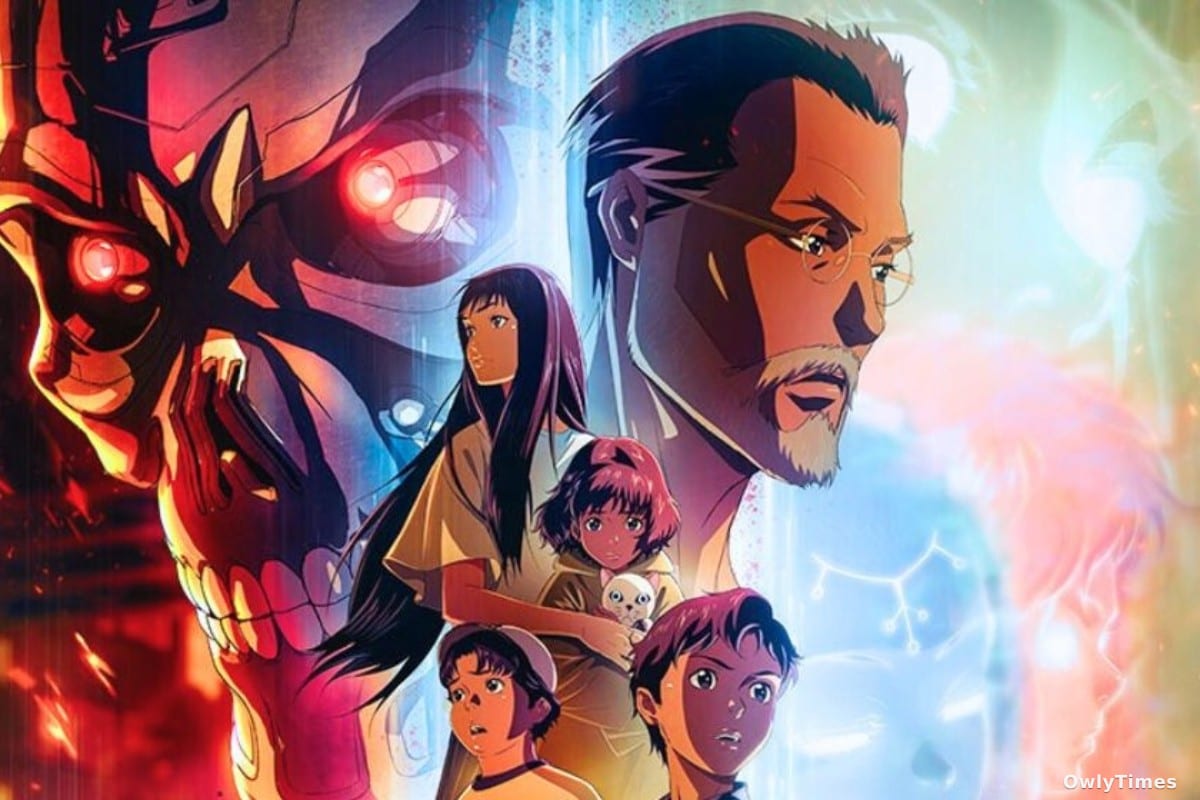

The rain in Tokyo felt different than the acid rain of the original films. That’s what struck many viewers tuning into Terminator: Zero on August 29th, 2024 – a date deliberately echoing “Judgment Day” – but the resonance stopped there. The anime reboot, boasting a stellar voice cast including Timothy Olyphant, Rosario Dawson, and Ann Dowd, arrived on Netflix with a promise of revitalizing a sci-fi behemoth. Instead, it became a cautionary tale, a high-profile casualty in the streaming wars where even billion-dollar franchises aren’t immune to the algorithm’s cold calculus. The cancellation after just one season isn’t simply about viewership numbers; it’s a symptom of a deeper disconnect between ambitious storytelling and the demands of a platform obsessed with instant gratification.
The Weight of Legacy and the Risk of Reinvention
The original Terminator saga, propelled by James Cameron’s vision and Arnold Schwarzenegger’s iconic performance, didn’t just build a franchise – it fundamentally altered the landscape of action and science fiction. Grossing billions worldwide, it tapped into anxieties about technology, fate, and the very nature of humanity. Terminator: Zero, however, deliberately distanced itself from that established formula. Moving the action to a neon-drenched Tokyo and embracing a more introspective, serial mystery format was a bold move, but one that alienated a significant portion of the fanbase. It wasn’t about rewriting canon, creator Mattson Tomlin insisted, but about expanding the universe. Yet, in severing ties with the familiar – the gritty West Coast aesthetic, the relentless chase sequences, the chilling presence of a T-800 – the series risked losing the core elements that had captivated audiences for decades.
Source material: 3dvf.com.
Beyond the Headlines: The Five-Season Plan That Never Launched
The speed of the cancellation is what truly stings. Tomlin hadn’t just conceived of Zero as a one-off; he’d meticulously mapped out a five-season arc, with the script for Season Two already completed. This wasn’t a haphazard experiment, but a fully realized creative vision. The commitment of the voice cast, a clear signal of serious intent, further underscores the abruptness of Netflix’s decision. While Netflix doesn’t publicly disclose specific viewership data, industry analysts estimate a series needs to achieve a 70% completion rate within the first 28 days to be considered for renewal. Zero reportedly fell short, a victim of a crowded streaming landscape and a fragmented audience. But the question lingers: did Netflix give a show with such ambitious scope enough time to find its audience, or was it judged too quickly by metrics designed for more easily digestible content?
The Algorithm vs. Artistic Ambition
This isn’t an isolated incident. The fate of Terminator: Zero mirrors the recent struggles of other high-profile streaming projects, from the cancellation of 1899 to the premature ending of Warrior Nun. The pressure to deliver immediate returns, fueled by investor demands and the constant churn of new content, often stifles artistic risk-taking. Netflix, despite its reputation for championing original programming, is increasingly prioritizing data-driven decisions over creative intuition. The platform’s algorithm, designed to maximize engagement, favors content that conforms to established patterns and caters to broad demographics. Zero’s more nuanced, philosophical approach simply didn’t translate into the kind of viral buzz that Netflix craves. This raises a critical question: are streaming platforms inadvertently creating an echo chamber, where only safe, predictable content can thrive?
What This Means for the Future of Franchise Storytelling
Tomlin’s hints about continuing the narrative in another medium – perhaps a graphic novel or a limited-run podcast – offer a glimmer of hope for fans. But the story of Terminator: Zero serves as a stark warning for the industry. The pursuit of franchise revitalization can’t solely rely on brand recognition and flashy aesthetics. It requires a delicate balance between honoring the legacy of the original while forging a new path that resonates with contemporary audiences. More importantly, it demands a willingness to invest in ambitious storytelling, even if it doesn’t yield immediate results. The cancellation of Zero isn’t just the end of a chapter for the Terminator universe; it’s a signal that the algorithm is now the ultimate arbiter of creative fate. The question now is: will studios continue to cede control to the data, or will they fight to preserve the space for bold, unconventional storytelling?