
The fundamental question facing residential youth programs in flood-prone regions is not just whether they can provide a summer experience, but whether they can guarantee the preservation of life when environmental conditions turn volatile. For Camp Mystic in Hunt, Texas, this inquiry has moved from the theoretical to the existential following a catastrophic weather event last summer that resulted in the deaths of 27 girls and counselors. As the institution seeks to continue its operations, it now faces a rigorous administrative hurdle: state regulators have signaled that their current license renewal is in jeopardy, citing specific failures in the camp's emergency preparedness protocols.
Regulatory Scrutiny Following a Tragedy
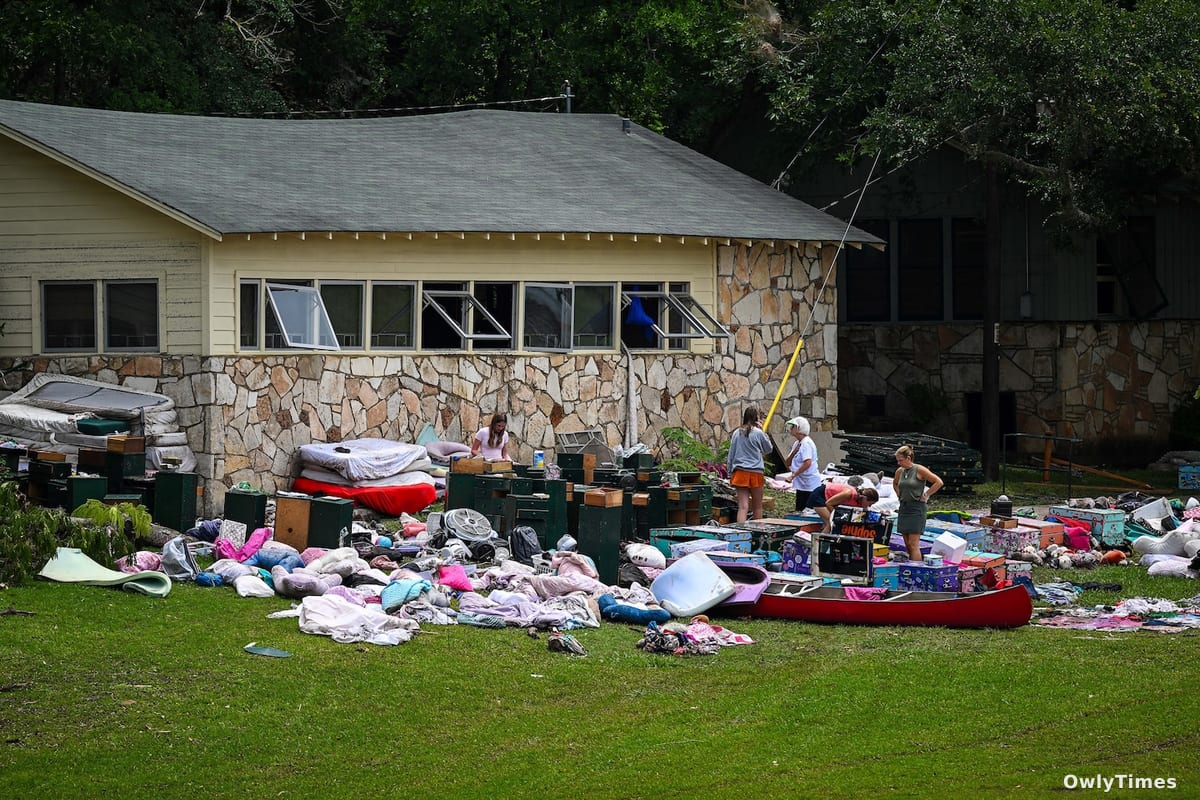
The notification from Texas health officials, delivered this week, centers on a critical evaluation of the camp’s emergency plan. While the public discourse often focuses on the immediate emotional toll of the tragedy—evidenced by the harrowing scenes of families sifting through the belongings of the lost on July 7, as captured in photographs by Joshua Lott for The Washington Post—the regulatory reality is grounded in documentation and procedure. The state’s review concluded that the existing safety framework failed to satisfy essential health and safety requirements mandated for licensed facilities.
It is vital to distinguish between the administrative process and the broader search for accountability. Headlines may frame this as a simple bureaucratic delay, but the implications for the camp's future are significant. The state is not merely questioning the camp's intent; they are asserting that the operational blueprints designed to protect minors during natural disasters were insufficient. For a facility that has long operated in the Texas Hill Country, this represents a fundamental challenge to its license to operate.
The Gap Between Policy and Preparedness
The tension here lies in the disconnect between historical operations and modern climate risks. When an emergency plan is found to be deficient by state regulators, it suggests that the gap between the camp's internal protocols and the state’s safety standards has become too wide to ignore. While the owners of Camp Mystic have publicly stated their intention to address these deficiencies, the burden of proof rests entirely on their ability to overhaul systems that have already been scrutinized by investigators.
We must remain cautious in assuming that a revised plan will automatically equate to a safer environment. The limitation in this regulatory approach is that it relies on written documentation to predict how an organization will react under extreme, real-time stress. A document can be corrected, but the operational culture of a camp—and its ability to execute an evacuation during a flash flood—remains a complex variable that a desk review cannot fully capture.
Monitoring the Path to Recertification
The path forward for the camp is now dictated by the requirements set by the state health agency. As of the latest update on April 24, 2026, the process remains in flux, with the camp’s license renewal hanging on the resolution of these safety findings. The next reading of the state’s licensing status for Camp Mystic will indicate whether the facility can provide sufficient evidence to satisfy these mandates or if the regulatory body will move toward a permanent denial of the renewal. The outcome will likely set a precedent for how Texas monitors the intersection of recreational youth activity and the increasing unpredictability of regional flood risks.





