
The calculated risk of openly advocating for regime change – a tactic historically reserved for the shadows of covert operations – signals a fundamental shift in President Trump’s foreign policy calculus. The immediate aftermath of the joint U.S.-Israeli strikes on Iran wasn’t about damage assessment or de-escalation messaging; it was a direct appeal to the Iranian populace, a gamble that internal unrest will accelerate the collapse of the current theocratic government. This isn’t simply a reaction to Iran’s nuclear program or regional aggression; it’s a strategic bet that a destabilized Iran, even in the short term, serves long-term U.S. interests, specifically regarding oil markets and regional influence. The speed with which Trump publicly endorsed regime change, less than an hour after the strikes, reveals a pre-planned component to the military action, suggesting the strikes were intended as a catalyst, not a contained response.
The Echoes of Nicaragua and the Contras
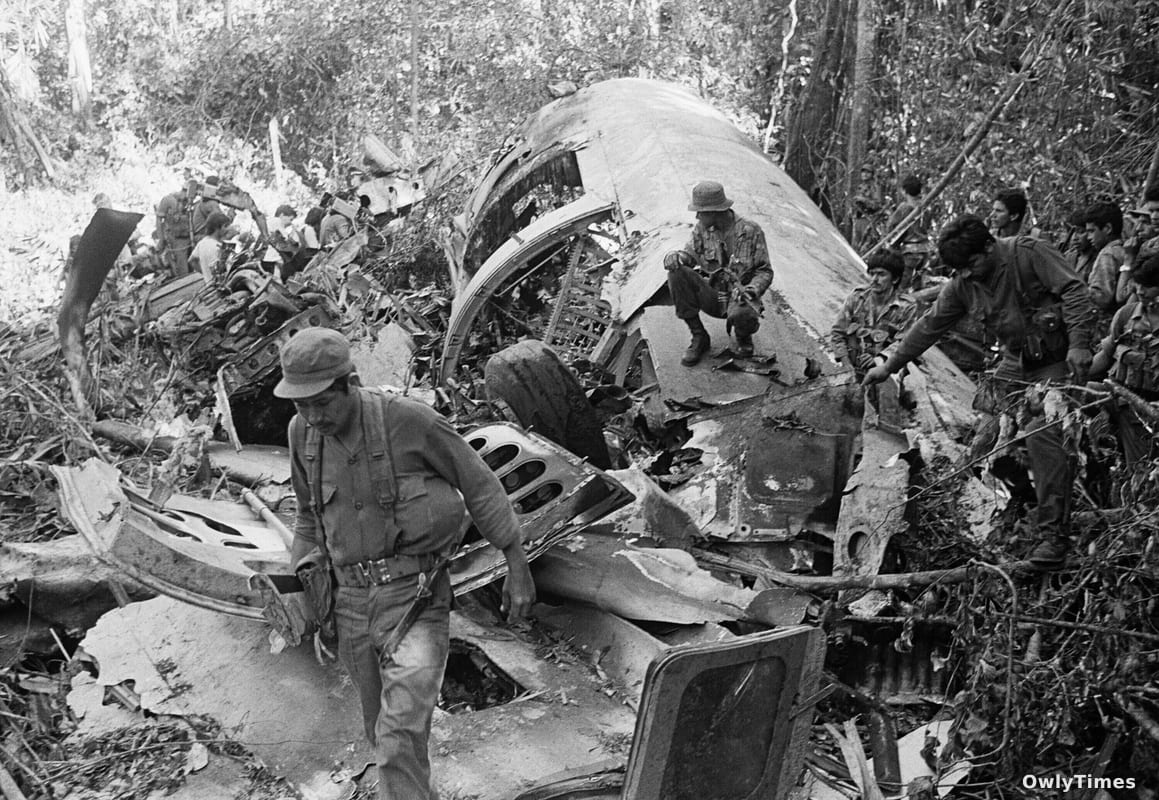
The explicit call for action within Iran carries a chilling resonance with the Reagan administration’s approach to Nicaragua in the 1980s. In that instance, the U.S. actively supported the Contras, a rebel group seeking to overthrow the Sandinista government. While direct military intervention was constrained by the Boland Amendment, the Reagan administration pursued a policy of “constructive engagement” that, in practice, meant funding, training, and arming the Contras – all while publicly denying direct involvement in efforts to overthrow the Nicaraguan government. The parallel isn’t perfect; Iran is a far more formidable state than Nicaragua ever was. However, the underlying principle – leveraging internal opposition to achieve regime change – is strikingly similar. The key difference, and a significant escalation, is Trump’s open endorsement of internal revolt, removing the veil of plausible deniability that characterized the Nicaraguan operation.
Reporting from The Washington Post informs this analysis.
Who Benefits and Who Loses in a Post-Theocratic Iran?
The immediate beneficiaries of a successful regime change in Iran are, predictably, Israel and Saudi Arabia. Both nations view Iran as an existential threat, and a shift in power dynamics in Tehran would dramatically alter the regional balance. For Israel, a weakened Iran reduces the immediate threat from Hezbollah and Hamas, both of which receive support from Tehran. For Saudi Arabia, a new Iranian government might be more amenable to a negotiated settlement of regional conflicts and less inclined to support proxy wars in Yemen and Syria. Within the U.S., the oil industry stands to gain from increased stability in the Persian Gulf, potentially leading to lower oil prices and increased production. However, the losers are potentially far more numerous. A chaotic transition in Iran could trigger a wider regional conflict, drawing in other actors like Turkey and potentially Russia. The Iranian population itself faces the prospect of instability, economic hardship, and a power vacuum that could be filled by extremist groups. Furthermore, a failed attempt at regime change could embolden hardliners within Iran, strengthening the very forces Trump seeks to dismantle.
The Risk of Escalation and Russian Involvement
The timing of the strikes, coinciding with ongoing conflicts in Ukraine and Gaza, isn’t accidental. Trump’s administration appears to be operating under the assumption that global attention is already stretched thin, limiting the potential for a unified international response. However, this calculation overlooks the potential for Russia to exploit the situation. Russia has cultivated close ties with Iran, particularly in the realm of military cooperation and nuclear technology. A destabilized Iran could provide Russia with a new foothold in the Middle East, allowing it to circumvent Western sanctions and expand its influence in the region. Russian President Vladimir Putin has already issued a statement condemning the U.S. and Israeli strikes as “an act of aggression” and warning of “unpredictable consequences.” This isn’t merely rhetorical posturing; Russia has a vested interest in preventing a U.S.-aligned government from taking power in Iran.
The Next Chess Move: Monitoring Iranian Internal Security Forces
The critical indicator to watch isn’t the immediate military response from Iran – though that remains a concern – but the loyalty of Iran’s internal security forces. Will the Islamic Revolutionary Guard Corps (IRGC) and other security apparatuses remain steadfast in their support of the current regime, or will cracks begin to appear? A split within the security forces, or even a localized mutiny, would be a clear sign that Trump’s gamble is paying off. Conversely, a unified and resolute response from the IRGC would signal a significant setback for the U.S. strategy and potentially escalate the conflict. The question isn’t simply whether the Iranian people will heed Trump’s call to action, but whether the institutions of the Iranian state will allow them to. The next 72 hours will reveal whether this is a calculated maneuver towards a new regional order, or a reckless escalation with potentially catastrophic consequences.





