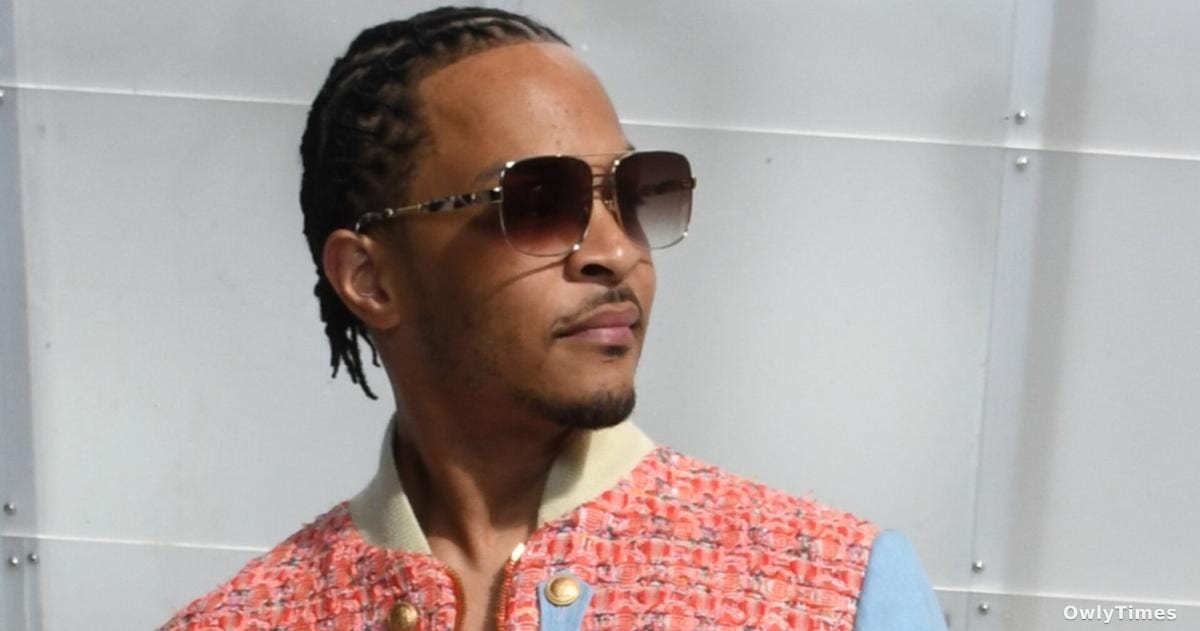

The air hung thick with anticipation last night as the Musikfest Facebook page lit up, not with the usual local band announcement, but with a name that signals a deliberate shift in the festival’s sonic landscape: T.I., the Atlanta-based rapper, entrepreneur, and increasingly, a public intellectual, will headline the Wind Creek Steel Stage on August 5, 2026, alongside special guest DaBaby. It’s a booking that’s already sparking debate, and that’s precisely the point. Musikfest, a festival historically rooted in polka, traditional German fare, and a broadly accessible pop palette, is making a calculated bet on hip-hop’s cultural weight – and the complex conversations that come with it.
Beyond the Beats: T.I.’s Multifaceted Empire
This isn’t simply a musician taking the stage; it’s a brand taking the stage. T.I., born Clifford Joseph Harris Jr., isn’t just a recording artist with ten hit albums and a string of awards – including Grammys, BET Awards, and American Music Awards – he’s a businessman who’s built an empire. From his Akoo clothing line, now a decade old, to his real estate holdings and co-ownership of TIDAL, the streaming service, Harris embodies a modern definition of success. ArtsQuest’s announcement doesn’t shy away from this, emphasizing his role as an “artist, entrepreneur and activist.” But it’s the activist part that feels particularly resonant right now. In a cultural moment grappling with economic inequality and systemic injustice, Harris’s involvement on the Mayor of Atlanta’s Transition Team and his current work with the Reimagining Atlanta Task Force – focused on restorative justice and incarceration reform – adds layers to the performance.
The choice to highlight Harris’s policy work isn’t accidental. Musikfest drew 1,449,000 attendees in 2025, a figure that demonstrates its reach and influence within the region. By aligning with an artist actively engaged in social and political discourse, the festival isn’t just offering entertainment; it’s signaling a willingness to engage with the issues shaping the lives of its audience. This is a departure from the festival’s historically apolitical stance, and a reflection of the growing expectation that public figures – even entertainers – take a stand.
Drawn from wfmz.com.
Navigating Controversy: The DaBaby Factor
The inclusion of DaBaby as a special guest, however, introduces a significant complication. The Charlotte, North Carolina native, whose debut album Baby on Baby spent an impressive 55 weeks on the Billboard 200, has been embroiled in controversy following past homophobic remarks made during a 2021 Rolling Loud Miami performance. While DaBaby has issued apologies, the incident continues to cast a shadow over his career. ArtsQuest has not addressed the controversy directly in its announcement, a silence that’s likely to draw criticism from LGBTQ+ advocates and those who believe platforms should not be offered to individuals with a history of harmful rhetoric.
This isn’t simply a matter of “cancel culture,” but a question of responsibility. Festivals like Musikfest wield considerable cultural power, and their booking choices send a message about what values they prioritize. The decision to platform DaBaby alongside T.I., a figure actively working towards social justice, creates a jarring dissonance. It forces a reckoning with the complexities of artistic freedom versus the need for accountability, and the inherent tension between entertainment and ethics. The festival is betting that the draw of DaBaby’s energetic performances – his album KIRK debuted at No. 1 with the hit single “BOP” – will outweigh the potential backlash.
The Shifting Sands of Festival Culture
The broader trend here is a recalibration of what a major music festival is. For decades, festivals were largely defined by genre homogeneity and a focus on escapism. Now, audiences are demanding more. They want diversity, inclusivity, and a sense that the festival aligns with their values. This shift is reflected in Musikfest’s 2026 lineup, which already includes a salsa orchestra (Grupo Niche), an indie band (AJR), and the ever-irreverent “Weird Al” Yankovic. The addition of T.I. and DaBaby isn’t about chasing trends; it’s about acknowledging a changing cultural landscape.
Ticket access begins March 3rd for ArtsQuest Members and March 6th for the general public, and the speed at which those tickets sell will be a crucial indicator of whether this gamble pays off. Will the festival’s core audience embrace this new direction, or will the controversy surrounding DaBaby dampen enthusiasm? More importantly, will other festivals follow suit, recognizing that simply booking popular artists is no longer enough? The question isn’t just about who’s on the stage, but what statement that presence makes – and whether audiences are willing to listen.