
The strategic calculus currently animating the Tennessee General Assembly centers on a deliberate narrowing of the state’s fiscal and regulatory footprint. By systematically restricting the scope of TennCare and limiting the use of state funds for specific medical interventions, leadership is attempting to redefine "essential" government service through the lens of conservative social policy. This is not merely a legislative reaction to individual issues; it is a coordinated effort to codify a moral framework into the state’s administrative code, effectively creating a "state-funded, values-based" healthcare model.
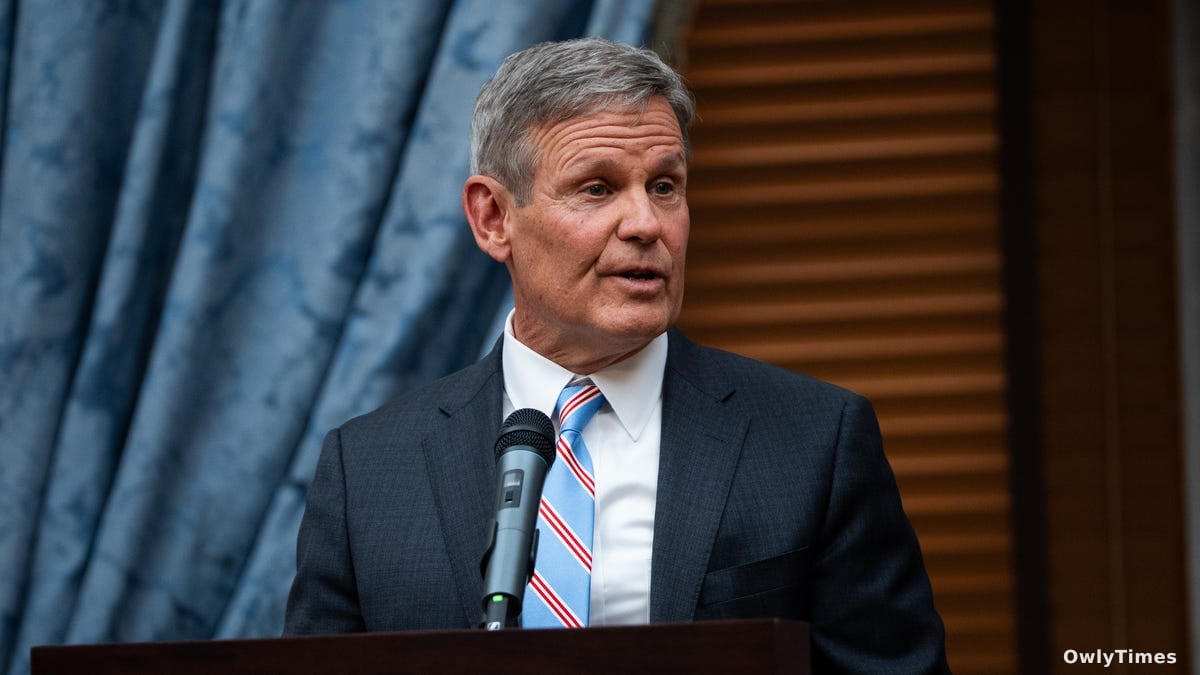
Who benefits and who loses under this regime is becoming increasingly clear. The beneficiaries are the architects of the current supermajority, who successfully consolidate their base by aligning state resources with their legislative agenda. The losers are the citizens whose medical care is subject to these shifting eligibility requirements, particularly those currently receiving gender transition treatments. While Gov. Bill Lee signed the measure barring TennCare coverage for these treatments on April 16, the law includes a transition window—allowing patients to remain covered through March 31, 2027, provided a physician certifies that cessation would be harmful. This creates a bureaucratic "cliff" that forces both patients and medical providers to navigate a complex, three-year countdown.
This legislative maneuver mirrors the broader national trend of using state-level regulatory power to circumvent or pre-empt federal norms, a strategy that has gained traction since the 2025 U.S. Supreme Court ruling that upheld Tennessee’s ban on gender-affirming care for minors. By leveraging state statutes—such as the 2024 law prohibiting the Department of Correction from funding hormone replacement therapy—the legislature is building a wall of legal precedent that shields state agencies from litigation while simultaneously restricting the availability of these medical services.
In the electoral sphere, the tension between "big talkers" and "tangible results" is fueling high-stakes primary contests. In the race for the 6th Congressional District, former U.S. Rep. Van Hilleary has positioned himself as the experienced hand, raising $340,000 this quarter for a total of $1.18 million. His rival, state Rep. Johnny Garrett, has countered with a "warrior for President Trump" branding strategy, attempting to leverage his statehouse experience into federal office. While Garrett’s FEC filing shows $807,664 in total fundraising, his campaign is buoyed by $900,000 in self-loans, highlighting a classic power dynamic: established political networks versus the infusion of personal capital.
The most acute point of friction, however, remains the intersection of public safety and state spending. The recent approval of Senate Bill 2372, which elevates drink spiking to a felony starting July 1, demonstrates how the legislature is responding to public pressure for increased criminal penalties. Simultaneously, the proposal by U.S. Sen. Marsha Blackburn and U.S. Rep. Matt Van Epps to codify deployment pay for National Guard members on federal missions suggests an effort to align state-level military personnel with the financial benefits of federal active-duty status, a move that would further entrench the National Guard’s role in local law enforcement tasks like the Memphis Safe Task Force.
The political chess move to watch next is the interplay between the Tennessee SNAP error rate and the potential $240 million financial penalty under federal rules. This looming fiscal liability will be the primary indicator of whether the legislature’s current strategy of aggressive policy implementation remains sustainable when faced with federal budgetary repercussions.





