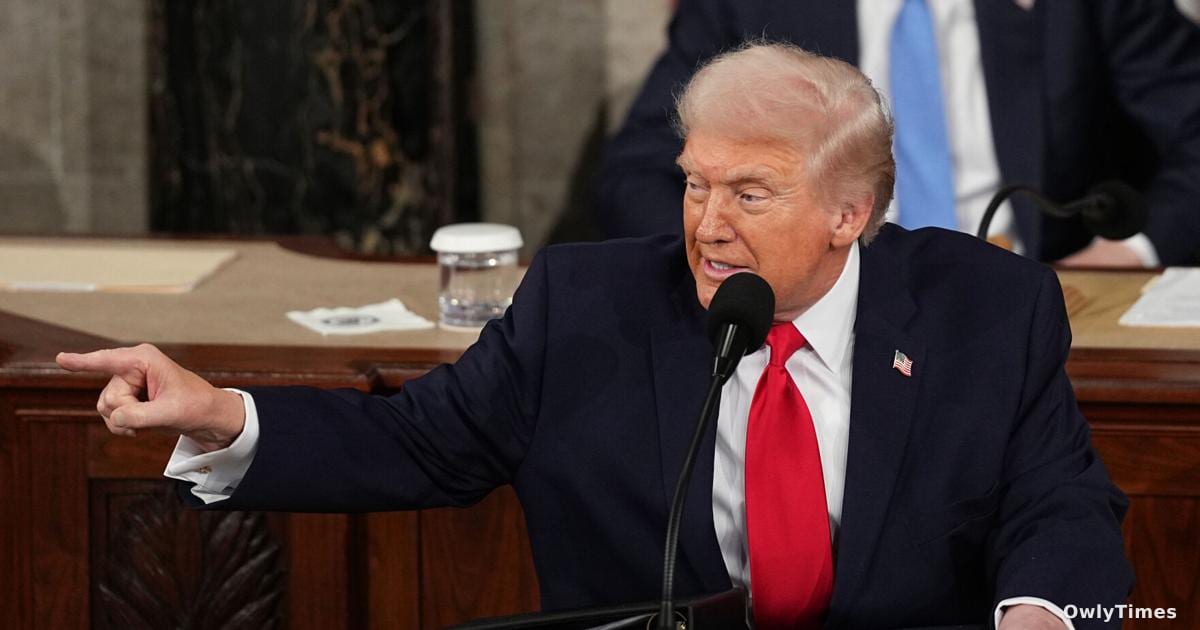

The timing wasn’t accidental. Donald Trump’s announcement of “major combat operations in Iran” delivered via an 8-minute video on Truth Social, coinciding with a traditionally quiescent Tuesday evening, was a calculated move to control the narrative and preempt potential congressional or allied pushback. This wasn’t a policy rollout preceded by briefings; it was a declaration intended to establish a fait accompli, forcing a reactive posture from Washington and international capitals. The strategic calculus is clear: to leverage the perceived failures of previous Iran policy – specifically the 2015 nuclear deal – and present a decisive, if unilateral, solution.
The address, steeped in decades of grievance, meticulously constructed a historical justification for military action. Trump cited the 1979 hostage crisis (444 days), the 1983 Beirut Marine barracks bombing (241 American deaths), and alleged Iranian involvement in the 2000 USS Cole attack, framing Iran as a persistent, unrelenting enemy of the United States. This isn’t a new argument, but the intensity and directness with which it was presented – coupled with the immediate announcement of military action – elevates it beyond typical political rhetoric. The invocation of Hamas’s October 7th attack on Israel, resulting in the deaths of over 1,000 and the hostage-taking of 46 Americans, served to link Iran directly to a recent, emotionally charged event, further solidifying the justification for intervention in the public mind.
Reporting from NOLA.com informs this analysis.
Who benefits and who loses from this escalation? The immediate beneficiaries are likely to be defense contractors, poised to profit from a prolonged military engagement. Within the U.S. political landscape, hardline factions who have long advocated for a more aggressive stance towards Iran will see their influence amplified. Trump himself stands to gain politically, reinforcing his image as a decisive leader willing to take bold action. Conversely, the potential losers are numerous. Iran’s civilian population faces immediate danger, as Trump explicitly warned of widespread bombing. Regional stability is shattered, with the risk of a wider conflict involving proxies in Lebanon, Yemen, Syria, and Iraq. U.S. allies, particularly in Europe, who favored continued diplomatic engagement with Iran, are now confronted with a unilateral American action they did not solicit. The global oil market is already reacting to the increased geopolitical risk, with prices spiking.
This situation bears a chilling resemblance to the lead-up to the 2003 invasion of Iraq. Like then, the justification rested on claims of an imminent threat – in Iraq’s case, weapons of mass destruction, and now, a rapidly developing nuclear program and long-range missile capabilities. The emphasis on historical grievances and the demonization of the opposing regime echo the rhetoric employed by the George W. Bush administration. However, a crucial difference lies in the context. The post-9/11 atmosphere of national unity and the perceived success of the initial military campaign in Afghanistan provided a more favorable environment for the Iraq War. Today, the U.S. is deeply politically divided, and public appetite for another large-scale military intervention in the Middle East is significantly lower.
Trump’s claim of obliterating Iran’s nuclear program in “Operation Midnight Hammer” last June – targeting Fordo, Natanz, and Isfahan – is particularly noteworthy. While Israel has been linked to attacks on Iranian nuclear facilities, the U.S. government has not publicly acknowledged direct military action. This omission, and the framing of the operation as a unilateral American initiative, underscores the degree to which Trump is operating outside established diplomatic and military norms. The appeal to the Iranian people to “take over your government” is a direct attempt to destabilize the regime from within, mirroring similar calls made during the Arab Spring uprisings, but with the backing of overwhelming military force.
The most immediate political chess move to watch is the response from Congress. While Trump may have anticipated limited opposition, a unified condemnation from both Democrats and Republicans could significantly constrain his ability to sustain a prolonged military campaign. The question isn’t simply whether Congress will authorize further military action – it’s whether they will attempt to reassert their constitutional authority over war powers, potentially triggering a constitutional crisis. Will Speaker Mike Johnson attempt to navigate a path between supporting the military and upholding congressional oversight, or will he align fully with the executive branch, risking further polarization and accusations of enabling unchecked presidential power? The answer to that question will define the next phase of this escalating conflict.





