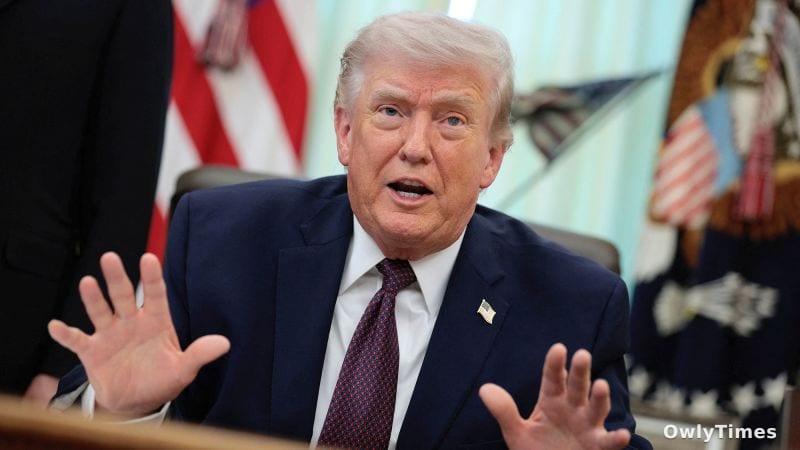

The calculation driving President Trump’s signaling of a potential US withdrawal from the conflict with Iran isn’t about achieving a favorable outcome, but about cutting losses and claiming a victory where one is politically expedient. Despite assertions of success, a unilateral exit risks solidifying a more hardline Iranian regime, empowering the Islamic Revolutionary Guard Corps, and fundamentally altering the security landscape of the Persian Gulf – all while failing to address the core issue of Iran’s nuclear ambitions. This isn’t a de-escalation; it’s a strategic repositioning that prioritizes domestic political optics over long-term regional stability.
The core of the issue lies in the unaccounted-for 400 kilograms of highly enriched uranium. Trump’s claim that his “one goal” – preventing Iran from developing a nuclear weapon – “has been attained” rings hollow when considered alongside this critical fact. The bombing of Iranian nuclear facilities hasn’t eliminated the material necessary for weaponization, and the death of Ali Khamenei, who previously issued a fatwa against nuclear development, has demonstrably shifted the internal debate within Iran. Experts now assess Iran as more likely to pursue a bomb, not less, a direct contradiction to the administration’s narrative. Who benefits and who loses here is stark: Iran gains leverage, potentially achieving nuclear threshold status, while the US loses credibility and faces a heightened proliferation risk.
Reporting from CNN informs this analysis.
This potential withdrawal echoes the US experience in Vietnam. Like the protracted and ultimately inconclusive conflict in Southeast Asia, the Iran conflict has proven to be a costly and complex undertaking with diminishing returns. In both cases, the initial justification for intervention – containing communism in Vietnam, preventing nuclear proliferation in Iran – became increasingly strained as the wars dragged on. The parallel isn’t perfect, but the underlying strategic logic is similar: recognize the limits of American power, extract yourself before further damage is done, and reframe the narrative as a responsible disengagement rather than a defeat. However, unlike Vietnam, the stakes in the Persian Gulf – control of vital energy supplies and maritime trade routes – are arguably even higher.
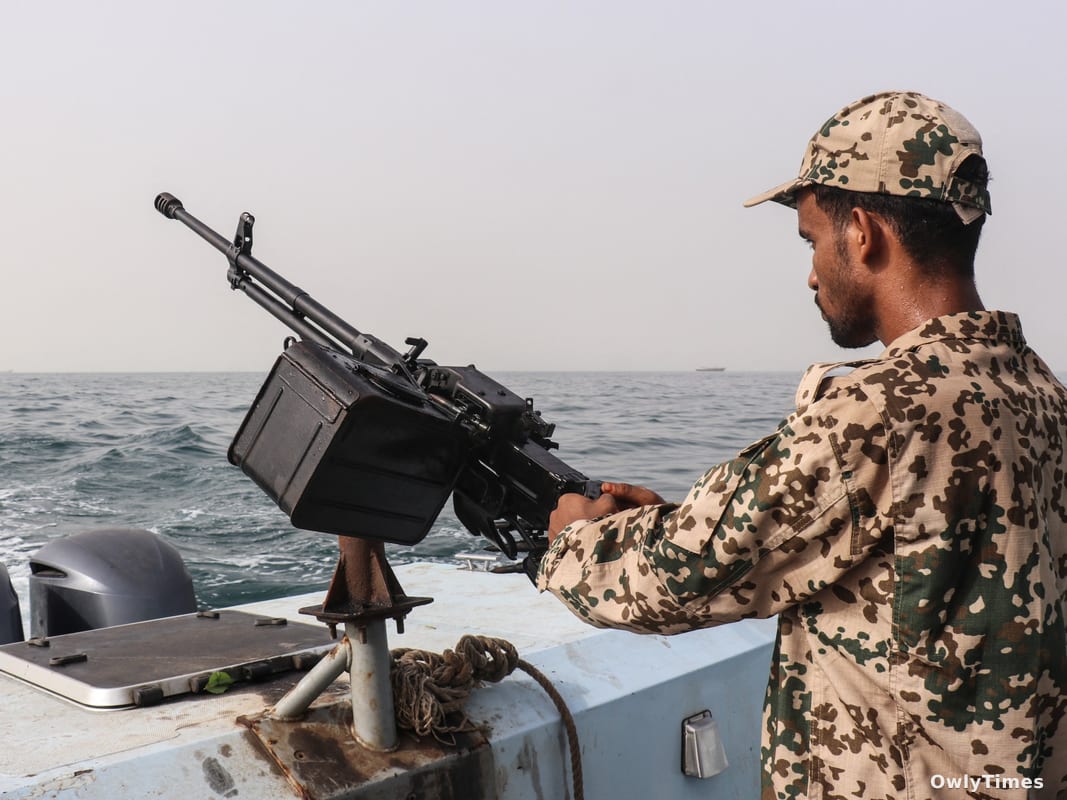
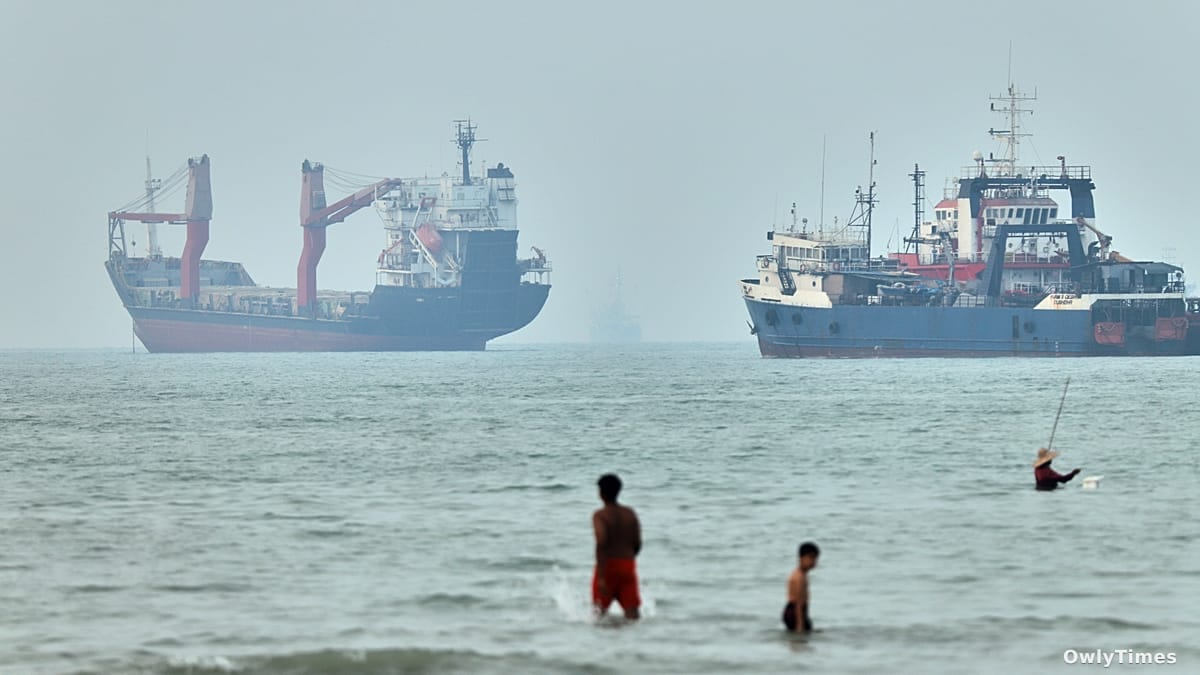
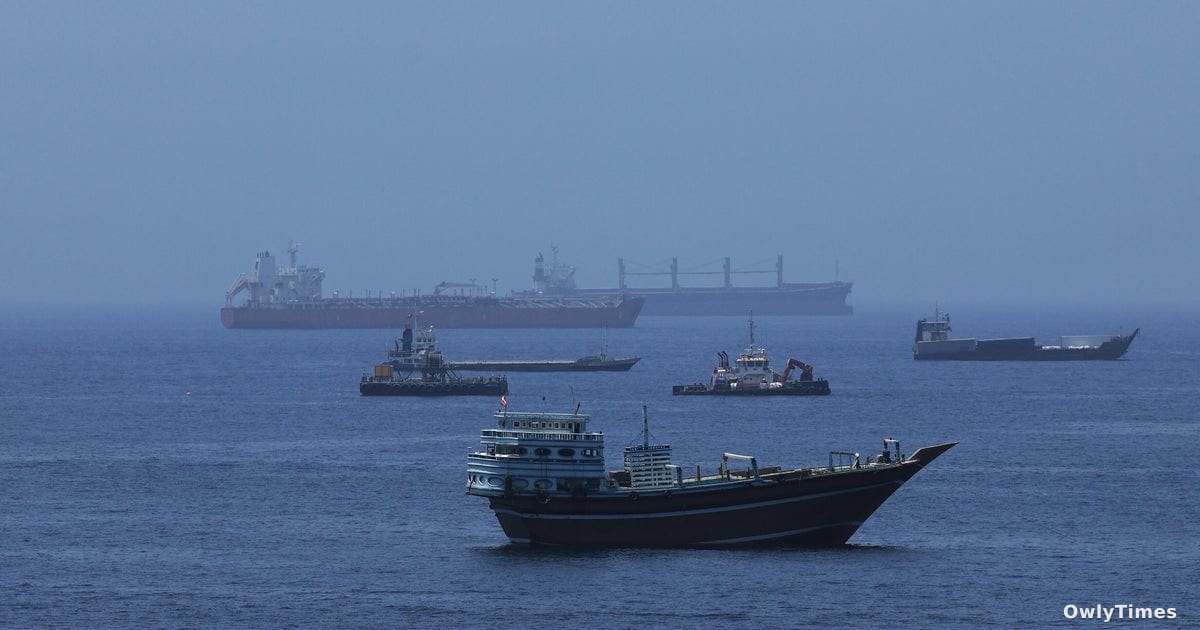
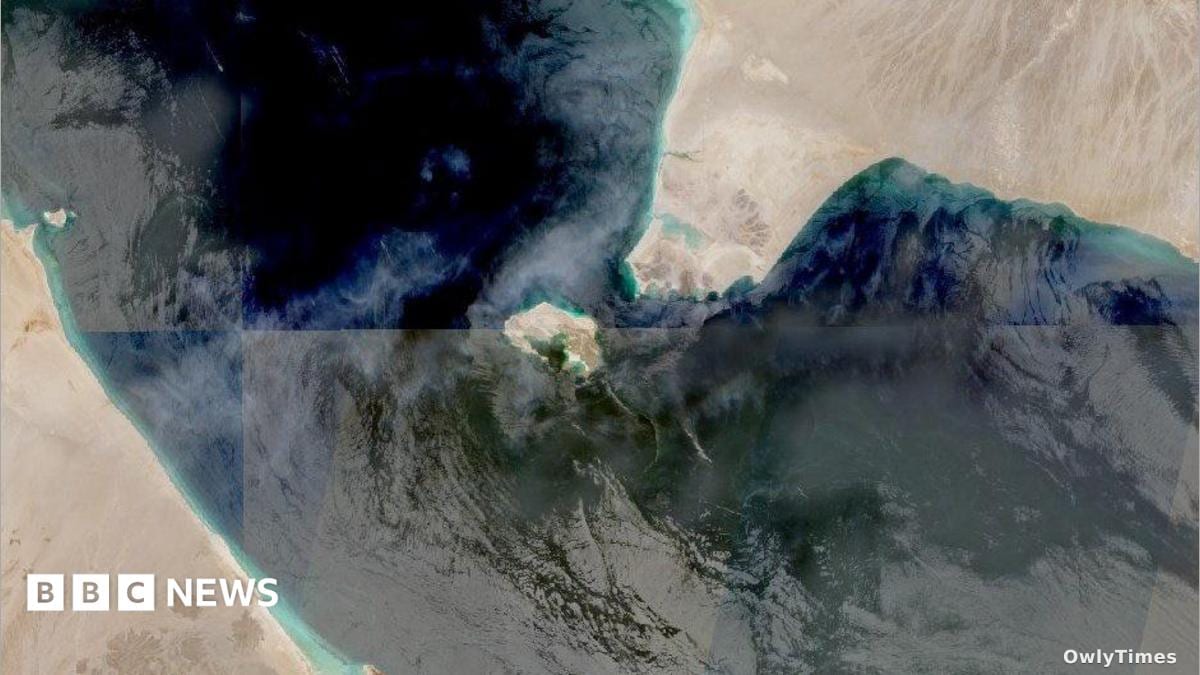
The economic argument, that gas prices will “tumble down” upon a US exit, is a misdirection. While the US imports relatively little energy from the Middle East, the global oil market is interconnected. Iran’s continued disruption of the Strait of Hormuz, including its reported imposition of tolls up to $2 million per ship, will impact global supply and, consequently, US prices. This isn’t a matter of securing a waterway for American benefit; it’s about preventing Iran from establishing a new revenue stream and exerting undue influence over the world economy. The assertion that securing the strait is the responsibility of those who rely on it conveniently absolves the US of its long-held role as a guarantor of global maritime security.
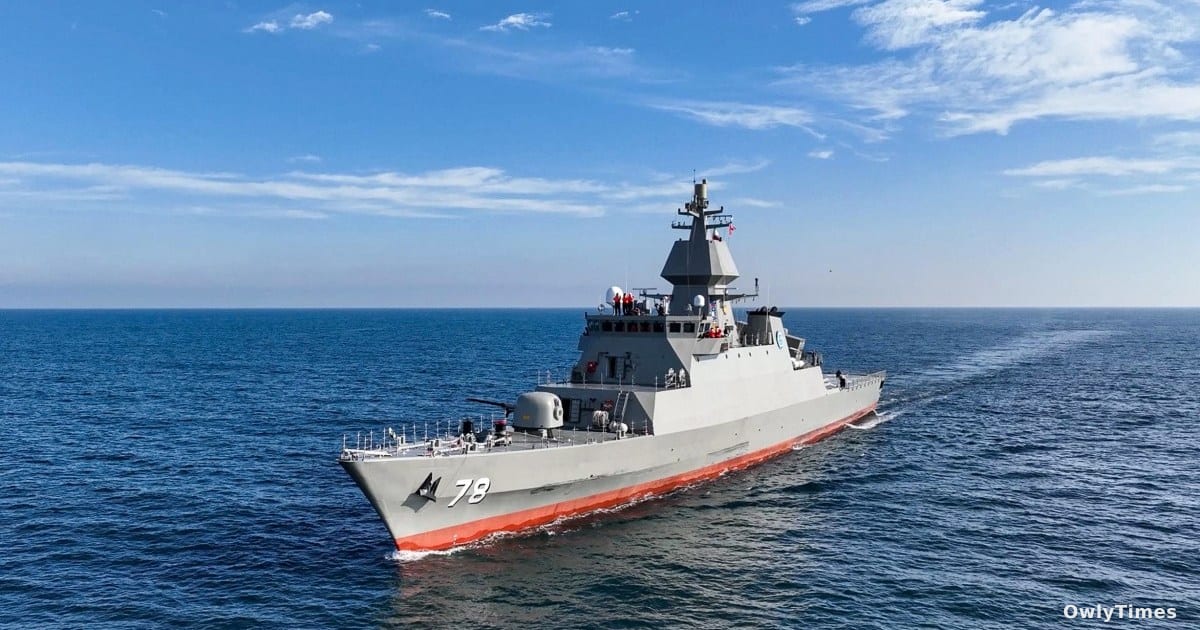
The implications for US allies in the Gulf are particularly troubling. Iran has already broken taboos by directly attacking Gulf states and disrupting their oil shipments, actions perceived as existential threats. A hasty US exit without a firm agreement to reopen the Strait of Hormuz will leave these nations exposed to further attacks and subject to Iranian economic coercion. This undermines the implicit bargain that has underpinned US-Gulf relations for decades: security guarantees in exchange for investment and strategic alignment. The $350 billion in investments pledged by Gulf states during Trump’s 2023 visit to Qatar now appear increasingly precarious, raising questions about the long-term viability of this partnership.
Finally, the situation presents a complex challenge for Israel. While President Trump previously demonstrated the ability to restrain Israel from escalating the conflict, an American withdrawal could embolden Israel to pursue its own objectives, potentially including further strikes against Iranian targets. Even if Israel halts its attacks, there’s no guarantee Iran will reciprocate, given its history of being targeted and its insistence on a comprehensive agreement addressing conflicts in Lebanon as well. The potential for a multi-front escalation, encompassing Iran, Lebanon, and Gaza, remains a significant risk.
The political chess move to watch next isn’t whether the US withdraws, but how it manages that withdrawal. Specifically, will the administration attempt to secure any concessions from Iran regarding the Strait of Hormuz before announcing its departure? A complete and unconditional exit would be a clear signal of defeat and a boon for Tehran. A limited withdrawal coupled with a renewed push for negotiations, however unlikely, would at least attempt to salvage some semblance of influence and prevent a complete collapse of regional security. The answer to that question will define the long-term consequences of this strategic gamble.