
The immediate impulse from President Trump to publicly rebuke Supreme Court Justices Amy Coney Barrett and Neil Gorsuch following the ruling against his “Liberation Day” tariffs wasn’t a spontaneous eruption of frustration, but a calculated, if ultimately self-defeating, maneuver to reassert control over a fracturing narrative. The tariffs, intended to stimulate domestic manufacturing post-pandemic, were struck down on constitutional grounds, a blow not just to the policy itself, but to the President’s carefully cultivated image of unwavering strength and legal invincibility. Trump’s response wasn’t about the tariffs; it was about signaling to his base – and to the Justices themselves – that dissent would not be tolerated, even from within the institutions he sought to reshape.
The core strategic calculation here is a familiar one: weaponizing grievance. Throughout his political career, Trump has thrived by positioning himself as an outsider battling entrenched elites. The Supreme Court, once expected to be a reliable ally after his three appointments, delivered a setback, and the public response was designed to frame that setback as a betrayal. This tactic isn’t new; it echoes Richard Nixon’s attempts to discredit the Warren Court during the 1960s, albeit with a distinctly 21st-century social media amplification. Nixon, facing rulings that expanded civil rights and defendants’ rights, similarly attacked the Court’s legitimacy, attempting to delegitimize decisions he opposed. The difference is scale and speed – Trump’s direct attacks via platforms like Truth Social bypass traditional media filters, allowing him to directly engage his supporters.
Drawn from CNN.
Who benefits and who loses from this escalation? Primarily, Trump benefits from solidifying his base’s loyalty. The outrage directed at the Justices reinforces the narrative of a “deep state” actively working against him. However, he demonstrably loses ground with moderate voters and legal scholars, further eroding perceptions of him as a stable and respectful leader. The Justices themselves, while publicly silent, are placed in a precarious position. Direct attacks undermine the Court’s institutional authority and raise questions about the impartiality of future rulings. The real losers, however, may be the industries that were anticipating the protection of the tariffs. While the legal defeat is final, the political fallout introduces uncertainty into future trade policy, potentially deterring long-term investment.
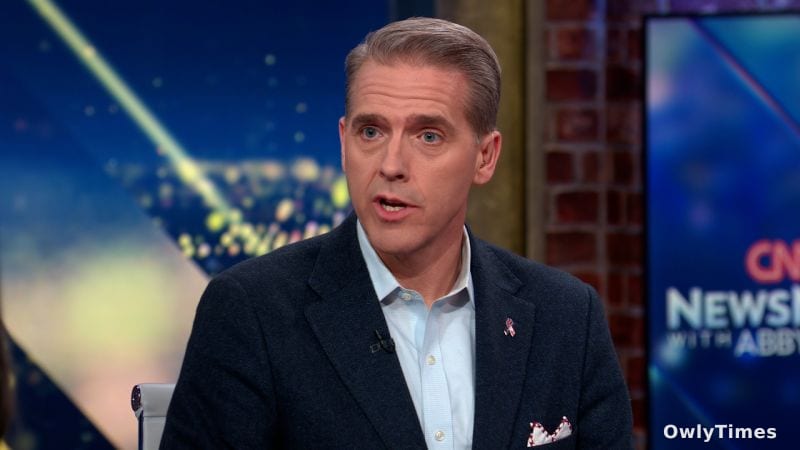
The advice offered by veteran political strategist Mary Matalin Jennings – that Trump should have remained silent – underscores the conventional wisdom of political restraint. Jennings, appearing on CNN’s NewsNight, stated she “would have told Trump not to respond to SCOTUS ruling,” recognizing that any response would only amplify the negative attention. This highlights a fundamental tension within Trump’s political style: his inability to resist responding to perceived slights, even when silence would be strategically advantageous. This impulse, while often criticized, is also a core component of his appeal – his supporters value his perceived authenticity and willingness to “fight back.” The question is whether that authenticity outweighs the long-term damage to institutional norms.
The timing of this outburst is also significant. With the 2024 election looming, Trump is attempting to define the terms of the debate and rally his supporters around a narrative of victimhood. The tariffs themselves, while economically questionable, served as a symbolic gesture of his commitment to American manufacturing. Losing that symbolic victory requires a counter-narrative, and the attack on the Justices provides one. This mirrors the strategy employed by Lyndon B. Johnson in the 1960s, who frequently framed opposition to his policies as attacks on the American people. However, Johnson operated within a more deferential media landscape and faced a different set of political constraints.
The political chess move to watch next isn’t whether Trump will continue to attack the Court – that’s almost guaranteed. It’s whether he will attempt to leverage this conflict into a broader campaign to reshape the judiciary, potentially advocating for structural changes to the Supreme Court or proposing new criteria for judicial appointments. The question is not simply about tariffs, but about the future of American legal institutions and the balance of power between the executive and judicial branches. Will this be a contained outburst, or the opening salvo in a larger battle for the soul of the American legal system?





