
The escalation isn’t about the Strait of Hormuz; it’s about solidifying President Trump’s domestic political position heading into the 2028 election cycle. The increasingly bellicose rhetoric towards Iran, culminating in threats to obliterate its infrastructure, isn’t a spontaneous reaction to maritime tensions, but a calculated risk designed to rally a base fatigued by economic stagnation and simmering social unrest. The explicit threat to bomb Iran “back to the stone ages,” delivered with a Tuesday deadline to reopen the Strait of Hormuz, functions less as a genuine military strategy and more as a performance of strength intended for consumption by American voters. This isn’t a new tactic – the invocation of external enemies to deflect from internal problems has a long and often troubling history in American politics, echoing strategies employed during the Cold War and even earlier.
The Calculus of Controlled Chaos
The timing is critical. The U.S. economy, despite official pronouncements of growth, is experiencing a slowdown, with manufacturing indices falling for three consecutive quarters. Unemployment, while still relatively low at 4.2%, is creeping upwards, and inflation, though moderated from its 2025 peak, remains stubbornly above the Federal Reserve’s target of 2%. These economic headwinds, coupled with growing dissatisfaction over the rising cost of healthcare and the ongoing culture wars, present a significant challenge to President Trump’s re-election prospects. A manufactured crisis, framed as a defense of American interests and global energy security, offers a potent distraction. The narrative allows the administration to project an image of decisive leadership and national unity, effectively silencing dissent and refocusing public attention. The April 7th deadline, arbitrarily imposed, serves to heighten the sense of urgency and reinforce the perception of a strong, unwavering commander-in-chief.
Reporting from The Washington Post informs this analysis.
Who Benefits and Who Loses in a Potential Conflict?
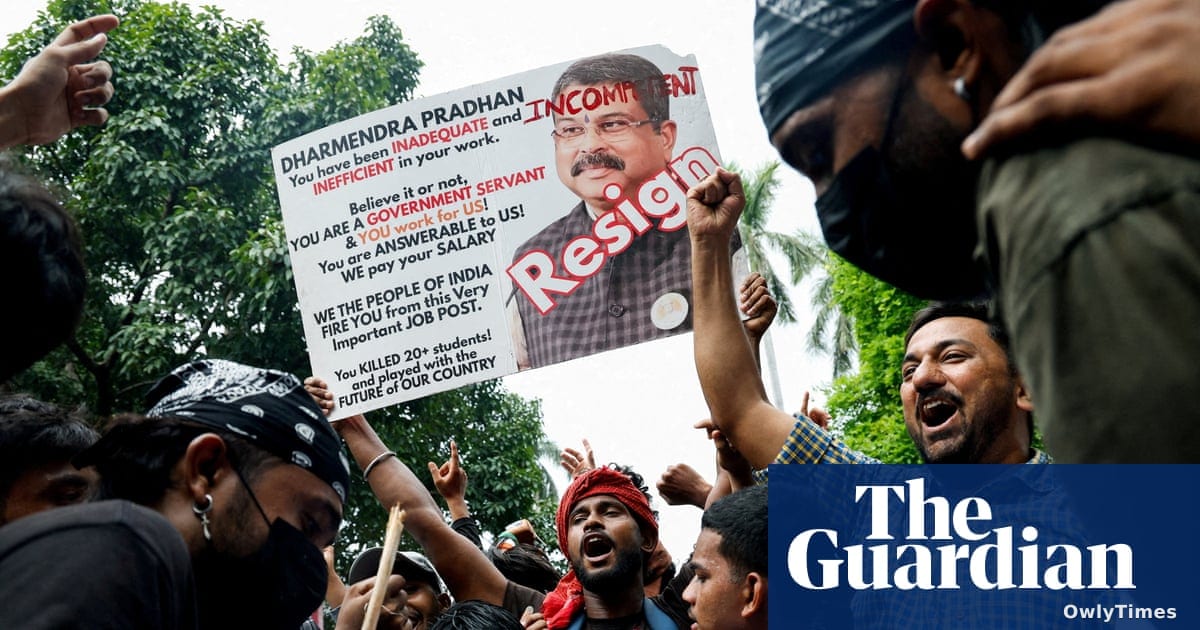
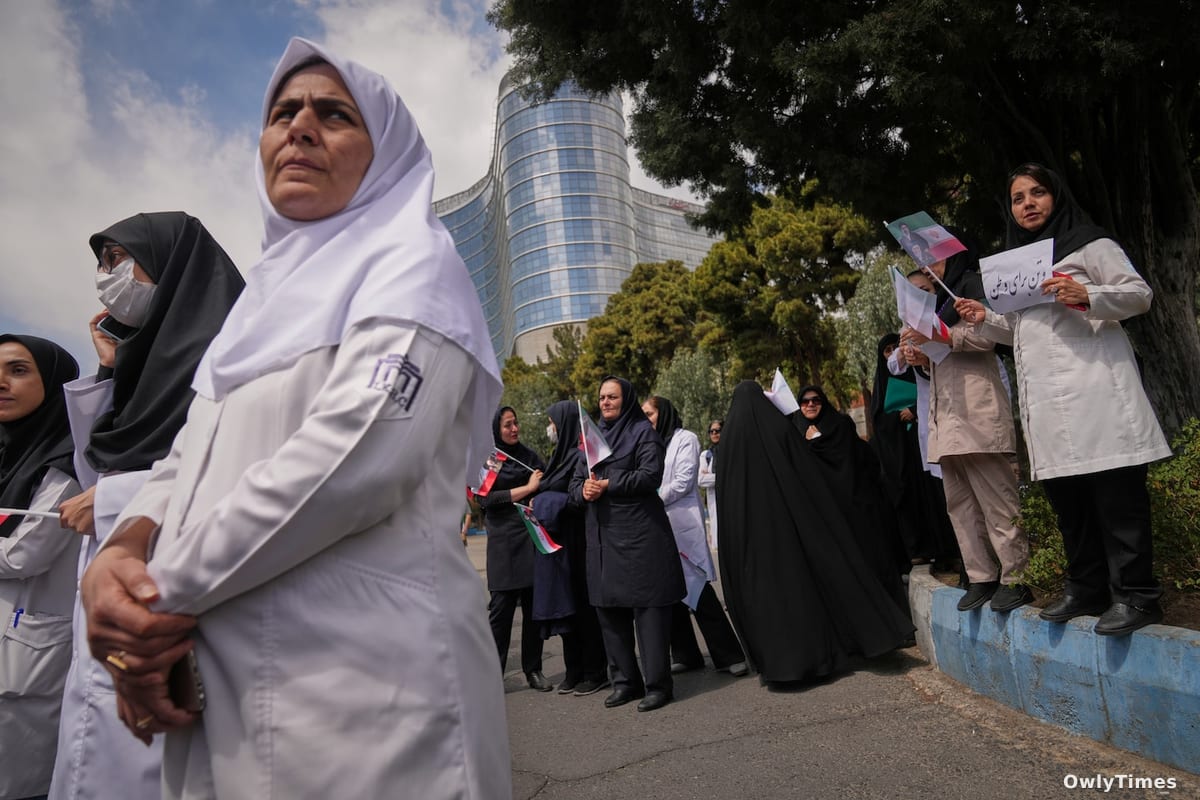
The immediate beneficiaries of escalating tensions are, predictably, defense contractors. Shares in Lockheed Martin, Raytheon, and General Dynamics have all seen significant gains since the intensification of the rhetoric, reflecting investor confidence in increased military spending. Within the administration, hardliners like National Security Advisor Robert O’Brien and Secretary of State Victoria Coates stand to gain influence, reinforcing their positions and potentially paving the way for further hawkish policies. However, the potential losers are far more numerous and consequential. The Iranian population, as reported by Asal Abasian and Burhan Yüksekkaş, faces the prospect of devastating infrastructure damage and economic collapse. Beyond Iran, global oil prices are already spiking, threatening to exacerbate inflationary pressures worldwide. Key U.S. allies in the Middle East, particularly Saudi Arabia and the United Arab Emirates, are deeply concerned about the potential for regional instability and a wider conflict. Even within the U.S., a protracted military engagement would likely trigger widespread protests and further deepen existing political divisions. The government-sponsored protest in Tehran, attended by medical workers on Monday, signals a unified front against perceived external aggression, a narrative the Trump administration is actively attempting to counter.
Historical Echoes of Preemptive Force
The current situation bears a striking resemblance to the lead-up to the 2003 invasion of Iraq. Then, as now, the administration invoked the threat of weapons of mass destruction and alleged links to terrorism to justify a preemptive military strike. The economic justifications were similarly framed – securing oil supplies and stabilizing the global economy. The consequences of that intervention, of course, were catastrophic, destabilizing the region for decades and costing the U.S. trillions of dollars. While President Trump has repeatedly distanced himself from the “mistakes” of the past, the underlying strategic logic – leveraging external conflict for domestic political gain – remains disturbingly consistent. The difference this time is the explicit threat of infrastructure destruction, a level of escalation that even the Bush administration avoided. This isn’t simply about regime change; it’s about deliberately crippling a nation’s ability to function, a tactic that raises serious questions about the administration’s adherence to international law and humanitarian principles.
The Strait of Hormuz as a Pressure Point
The focus on the Strait of Hormuz, a vital chokepoint for global oil supplies, is a deliberate attempt to raise the stakes and create a sense of imminent crisis. While Iran has repeatedly threatened to close the strait in response to sanctions, there is little evidence to suggest it is actively preparing to do so. The administration’s insistence on a Tuesday deadline, coupled with the threat of military force, is designed to force Iran’s hand and provide a pretext for intervention. The claim that “Iranians welcome expanded U.S. attacks,” as stated by President Trump, is demonstrably false and represents a cynical attempt to justify a potentially disastrous course of action. The reality, as evidenced by the protests in Tehran, is that the Iranian population overwhelmingly opposes further escalation and fears the consequences of a U.S. military strike.
The political chess move to watch next isn’t whether Iran reopens the Strait of Hormuz by Tuesday. It’s whether President Trump follows through on his threat to attack Iran if it doesn’t. A limited strike, targeting specific infrastructure, would be a calculated gamble, designed to demonstrate resolve without triggering a full-scale war. But even a limited strike carries the risk of unintended consequences, potentially escalating the conflict and drawing in regional powers. The more crucial question is: will the domestic political calculus continue to outweigh the potential costs of military intervention? The answer to that question will determine not only the fate of Iran, but also the future of the Middle East – and potentially, the stability of the global economy.