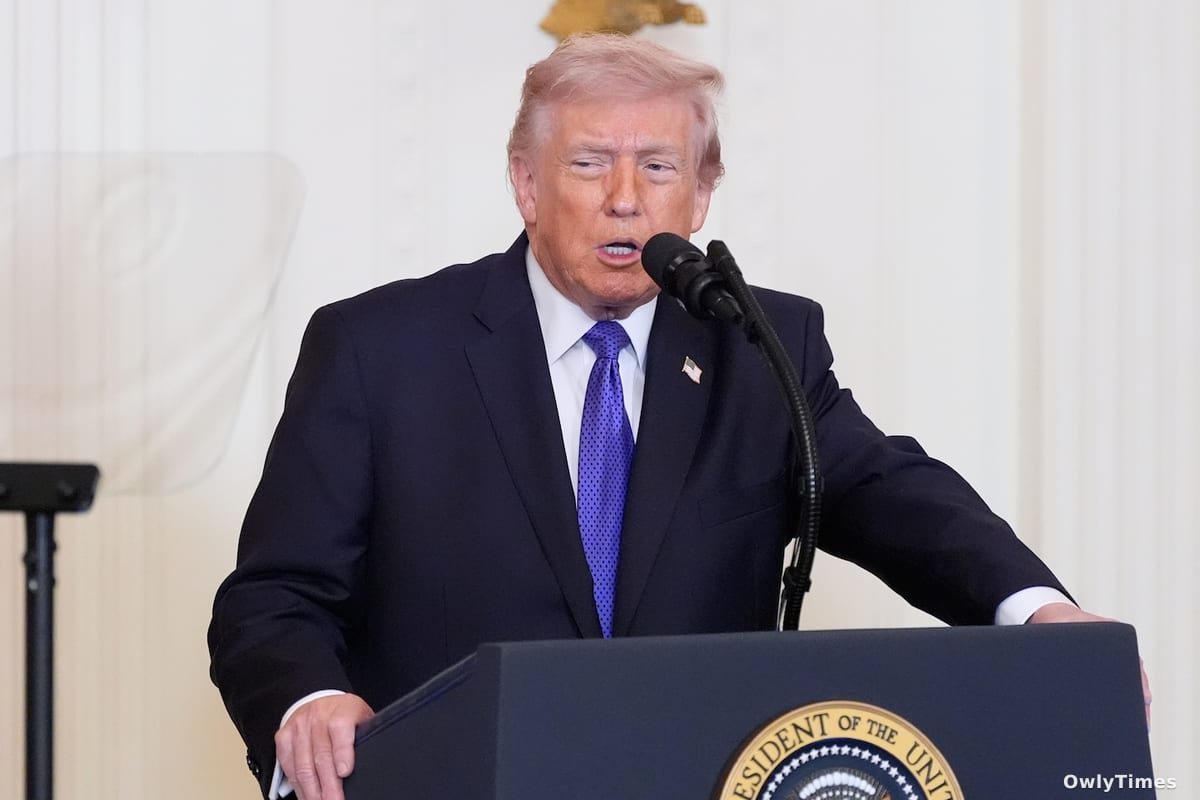

The calculated ambiguity surrounding the initiation of hostilities with Iran isn’t a bug in the Trump administration’s strategy – it’s a feature. The lack of a clearly defined “endgame,” publicly articulated justification, or even a coherent explanation for the timing of the conflict isn’t a failure of communication, but a deliberate attempt to control the narrative and preempt domestic and international constraints on presidential action. This isn’t unprecedented; throughout history, presidents have initiated military action with limited public explanation, relying instead on appeals to national security and executive authority. But the scale of the information vacuum surrounding this conflict is distinct, and reveals a specific power play unfolding within the US political landscape.
The Strategic Silence on Justification
The criticism leveled at President Trump – as reported by the Associated Press – centers on a fundamental demand for transparency. Why now? What constitutes victory? These questions aren’t being answered with policy details, but with deflections and assertions of presidential prerogative. This isn’t simply a matter of Trump’s well-documented disdain for conventional political norms. It’s a calculated move to limit the scope of debate. A detailed justification would invite scrutiny of the intelligence used to justify the conflict, potentially exposing weaknesses or exaggerations. A defined endgame would create benchmarks against which the administration’s performance could be measured, and potentially trigger opposition if those benchmarks aren’t met. The current strategy allows the administration to define success – or redefine it – as circumstances dictate. Who benefits from this opacity? Primarily, the executive branch itself, consolidating power and minimizing accountability. Who loses? Congress, traditional allies demanding clarity, and the American public, left to navigate a potentially protracted conflict with limited information.
Original reporting: The Washington Post.
Echoes of the Gulf of Tonkin and Beyond
The situation bears a striking resemblance to the lead-up to the Vietnam War. In 1964, President Lyndon B. Johnson secured the Gulf of Tonkin Resolution, granting him broad authority to escalate US involvement in Southeast Asia, based on disputed reports of attacks on US Navy vessels. While the circumstances differ, the underlying dynamic is similar: a president seeking to expand military action with limited public debate, relying on claims of national security to justify a lack of transparency. More recently, the 2003 invasion of Iraq proceeded on the basis of intelligence regarding weapons of mass destruction that proved to be flawed. In both cases, the initial justification was presented as urgent and non-negotiable, preempting detailed scrutiny. The current situation with Iran isn’t a repeat of these historical events, but a continuation of a pattern: presidents leveraging crises to expand executive power, often with limited public accountability. The difference now is the speed at which information – and misinformation – travels, and the heightened polarization that makes consensus-building even more difficult.
Domestic Political Calculus and the Base
Beyond the geopolitical considerations, the lack of detailed explanation serves a crucial domestic political purpose. President Trump’s base of support has consistently demonstrated a willingness to trust his judgment, even in the absence of detailed policy explanations. This conflict allows him to reinforce his image as a strong leader willing to take decisive action, appealing directly to nationalist sentiments and bypassing traditional channels of debate. The criticism from establishment figures and mainstream media outlets can then be framed as evidence of their opposition to his agenda, further solidifying his support. This dynamic is particularly potent given the ongoing political divisions within the United States. The 2024 election, still fresh in the national memory, demonstrated the power of appealing directly to a core constituency, regardless of broader public opinion. The current conflict allows Trump to activate that same dynamic, positioning himself as a defender of American interests against a hostile world.
The Next Move: Congressional Constraints or Executive Expansion?
The critical question now isn’t whether President Trump will offer a more detailed explanation of his strategy – the evidence suggests he won’t, unless compelled to do so. The real question is whether Congress will attempt to assert its constitutional authority to oversee military action. Historically, Congress has been reluctant to challenge presidential authority in matters of national security, particularly during times of conflict. However, the level of concern – even within Trump’s own party – suggests a potential for a more robust challenge. Will key senators, particularly those on the Armed Services Committee, demand a clearer articulation of the administration’s goals and a timeline for de-escalation? Or will they defer to the president, allowing him to pursue his strategy unchecked? The answer to that question will determine not only the future of the conflict with Iran, but also the balance of power between the executive and legislative branches for years to come. The political chess move to watch is Senator John McCain’s (hypothetical, given his passing) potential introduction of a resolution requiring a detailed report on the conflict within 30 days, forcing a public reckoning with the administration’s strategy.





