
The calculated ambiguity surrounding President Trump’s posture toward Iran isn’t a sign of indecision, but a deliberate strategy to maximize leverage in ongoing negotiations – and simultaneously, to test the boundaries of domestic political risk. While publicly expressing dissatisfaction with talks mediated by Oman, and even hinting at military options, the administration is simultaneously signaling a willingness to continue dialogue, a tactic designed to keep Tehran off-balance and prevent a unified international response should escalation occur. This isn’t simply about nuclear proliferation; it’s about reshaping the regional power dynamic, and the current approach reflects a belief that pressure, combined with the threat of force, will yield more favorable terms than the 2015 JCPOA.
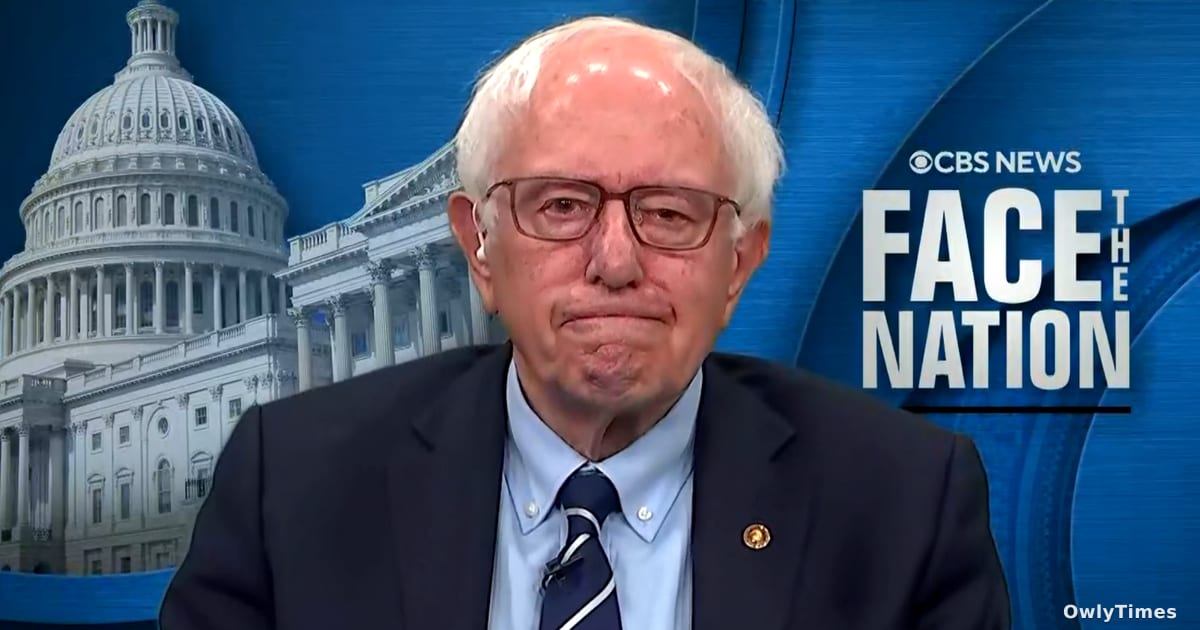
The Omani Foreign Minister’s assertion that Iran agreed to forego uranium stockpiling, if a deal is reached, is a significant concession, but its presentation – delivered to CBS’ “Face the Nation” rather than through official US channels – speaks volumes. It suggests a leak intended to subtly pressure the US into reciprocal concessions, while simultaneously creating a narrative of Iranian flexibility. Who benefits and who loses here is complex. Iran gains a potential path to sanctions relief, but at the cost of relinquishing a key bargaining chip. The US gains a potential win on non-proliferation, but risks appearing to accept terms less stringent than previously demanded. The real losers are regional actors like Saudi Arabia and Israel, who view any Iranian nuclear capability as an existential threat and are likely to perceive this as a weakening of US resolve.
Drawn from CNN.
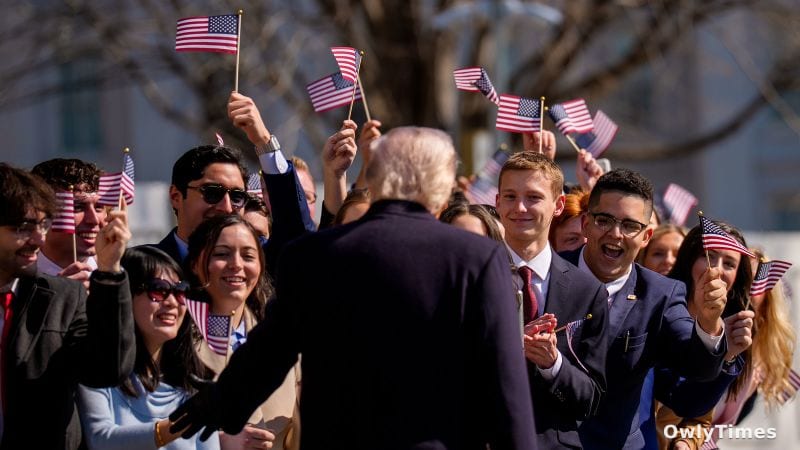
This pattern of calculated messaging extends to domestic politics, most notably in the Texas Senate primary. President Trump’s deliberate delay in endorsing a candidate – John Cornyn, Ken Paxton, or Wesley Hunt – isn’t about indecision, but about maintaining influence. By remaining neutral, he forces each candidate to court his base, ensuring his continued relevance in Texas Republican politics regardless of the outcome. The situation echoes Lyndon B. Johnson’s masterful manipulation of Texas politics, where maintaining control over key figures was paramount, even if it meant delaying endorsements and fostering competition. The fact that all three candidates reshuffled their schedules to attend Trump’s Corpus Christi event underscores his continued power within the party.
The President’s comments on Cuba, floating a “friendly takeover,” are less about a concrete policy plan and more about signaling a willingness to disrupt established norms. This echoes the Monroe Doctrine, but with a distinctly transactional flavor. It’s a message to Latin American nations – and to domestic audiences – that the US is willing to assert its influence, even through unconventional means. The timing, coinciding with the Iran negotiations and the Texas primary, isn’t accidental. It’s a demonstration of strength and unpredictability, reinforcing the perception of a leader unbound by traditional diplomatic constraints. The fact that Trump referenced consultations with Senators Ted Cruz and John Cornyn on Iran suggests an attempt to build bipartisan support for a potentially hawkish stance, even as he publicly criticizes the Supreme Court’s recent tariff ruling.
The Supreme Court’s decision on tariffs, and President Trump’s subsequent questioning of its legitimacy, reveals a deeper tension: a willingness to challenge established institutions when they impede his agenda. His call for a rehearing, despite its rarity, is a direct assault on the judiciary’s independence. This mirrors Franklin D. Roosevelt’s attempt to “pack” the Supreme Court in 1937, a move designed to overcome opposition to his New Deal policies. While Trump’s approach is less overt, the underlying motivation – to ensure the courts align with his political objectives – is strikingly similar. The fact that he continues to tout his economic successes, linking them to his policies, underscores his desire to maintain a narrative of competence and control, even in the face of legal setbacks.
The political chess move to watch next isn’t in Tehran or Havana, but in Washington. Specifically, will President Trump use the ongoing Department of Homeland Security shutdown as leverage to extract concessions on border security and immigration policy? The Democrats’ demands for ICE reform represent a significant challenge to the administration’s agenda, and a prolonged standoff could escalate tensions and further polarize the political landscape. The outcome will reveal whether the administration is willing to compromise, or whether it intends to use the shutdown as a pressure tactic to force through its priorities – and, crucially, how much political capital it’s willing to expend in the process.