
The Strategic Calculation Behind the “Squad’s” Condemnation of Trump’s Iran Strike
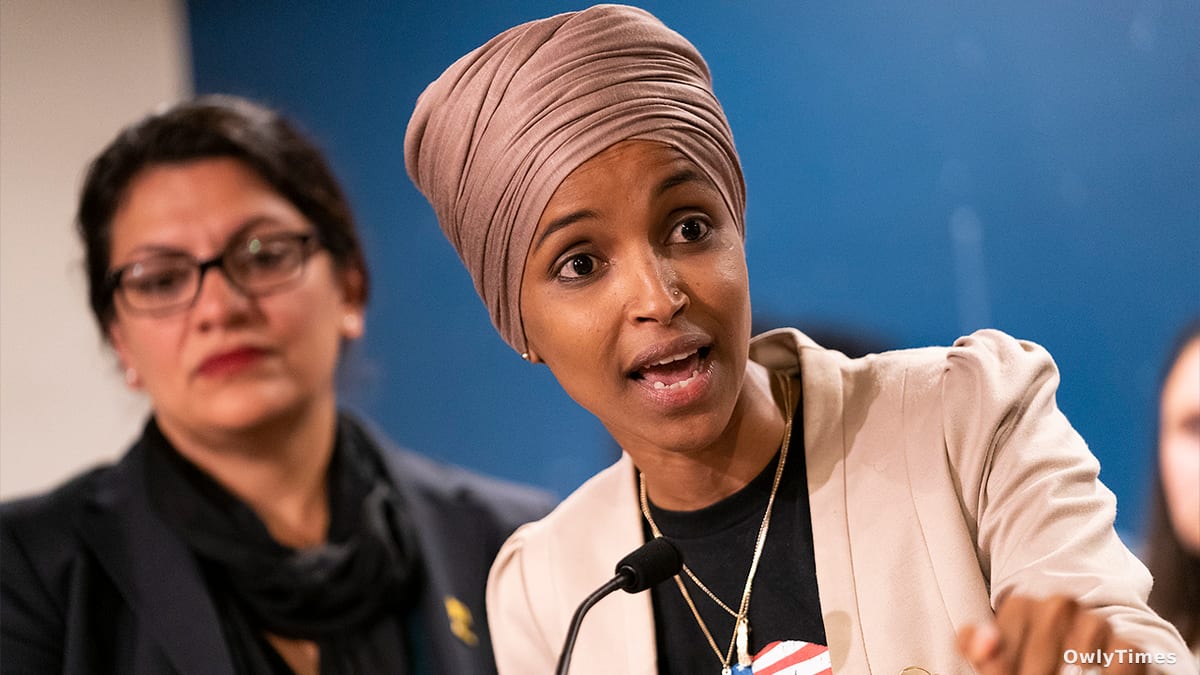
The immediate and forceful condemnation of Donald Trump’s strike on Iran by members of “The Squad” – Ilhan Omar, Rashida Tlaib, and Alexandria Ocasio-Cortez – wasn’t simply a matter of ideological disagreement, but a calculated move to reassert the progressive wing’s control over the foreign policy narrative within the Democratic Party. While the Biden administration has largely maintained a cautious approach to Iran, Trump’s action, even as a former president, presents a clear opening for progressives to highlight what they view as the dangers of unchecked executive power and the prioritization of military intervention over diplomacy. The speed and uniformity of their response signals a coordinated effort to frame the strike not as a necessary security measure, but as a reckless escalation driven by personal ambition.
This article draws on reporting from Fox News.
The core of the critique, articulated most starkly by Omar’s claim that Trump “launched an illegal regime change war,” centers on the question of legality and congressional authority. This isn’t a new argument – the War Powers Resolution of 1973 has been a point of contention for decades – but it gains renewed urgency when a former president initiates actions with potentially far-reaching consequences. Tlaib’s focus on the disregard for American lives and the public’s opposition to war directly taps into a deep vein of anti-war sentiment, particularly within the progressive base. This framing isn’t about supporting Iran; it’s about questioning the justification for military action and the cost, both human and financial, of perpetual conflict. Who benefits and who loses here is clear: the military-industrial complex stands to gain, while American soldiers, taxpayers, and the Iranian people bear the risks.
The historical parallel to consider is the lead-up to the Iraq War in 2003. Then, as now, a president – George W. Bush – bypassed congressional authorization and pursued a military intervention based on contested intelligence. The resulting instability and loss of life fueled a decade of conflict and significantly damaged American credibility abroad. Ocasio-Cortez’s explicit comparison – labeling the strike “unlawful, unnecessary, and catastrophic” – deliberately evokes the failures of the Iraq War, attempting to inoculate against a similar outcome. The key difference, and a point of strategic calculation for the Squad, is that this strike occurred after a period of negotiation, which they emphasize Trump deliberately undermined. This narrative positions the strike not as a response to an immediate threat, but as a deliberate choice for conflict.
Trump’s own rhetoric – directly addressing the Iranian people and urging them to overthrow their government – further complicates the situation. While framed as empowering the Iranian people, this call for regime change echoes past interventions that have destabilized the region. The appeal to Iranian citizens, coupled with the acknowledgement of potential American casualties (“that often happens in war”), reveals a willingness to accept significant risk in pursuit of a specific outcome. This is a high-stakes gamble, and the Squad’s response is designed to highlight the recklessness of that gamble. Greg Casar’s labeling of the action as an “illegal war” underscores the legal and moral challenges the strike presents.
The political chess move to watch next isn’t whether the Biden administration will publicly condemn Trump’s actions – they already have, albeit cautiously. It’s whether the progressive wing of the Democratic Party can leverage this moment to strengthen its position on foreign policy and push for greater congressional oversight of military interventions. Specifically, will they be able to successfully tie any future escalation in the region back to Trump’s decision and use it to advocate for a return to diplomacy and a more restrained foreign policy approach? The coming weeks will reveal whether this condemnation is merely rhetorical outrage, or a strategic maneuver to reshape the debate on American foreign policy.





