
The Leverage of Optimism: Trump’s Iran & Ukraine Signaling
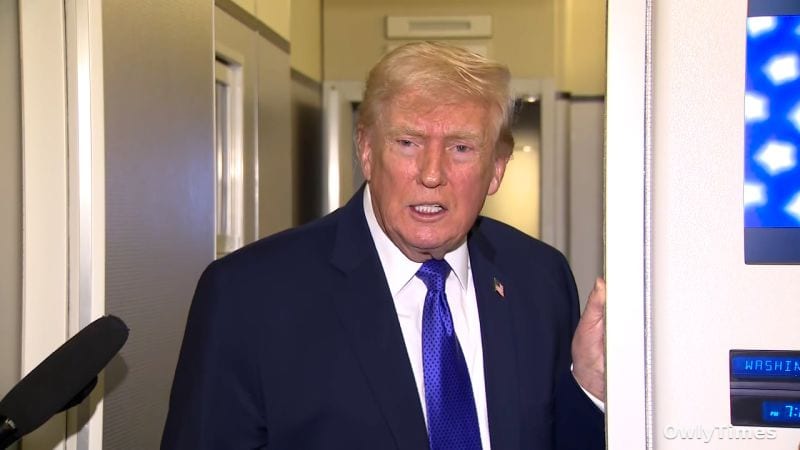
The timing of President Trump’s expressions of openness to talks with both Iran and Ukraine, delivered en route back to Washington aboard Air Force One, isn’t a signal of newfound diplomatic flexibility – it’s a calculated demonstration of leverage. While presented as hopeful rhetoric, the pronouncements serve to subtly recalibrate negotiating positions ahead of anticipated domestic and international pressures. The core strategic calculus is simple: project a willingness to engage, thereby shifting the onus of stalled negotiations onto the other parties and creating space for the administration to define the terms of any future agreement.
Based on the original CNN report.
This tactic isn’t novel. Throughout his presidency, Trump has consistently employed a strategy of maximalist public demands followed by a willingness – or at least the appearance of willingness – to negotiate, often at the eleventh hour. This approach, reminiscent of Richard Nixon’s “madman theory” during the Vietnam War, aims to unsettle adversaries and force concessions. The difference here is the dual track: simultaneously signaling openness to Iran, a long-standing geopolitical challenge, and Ukraine, a situation inextricably linked to domestic political considerations surrounding ongoing aid packages and investigations. Who benefits and who loses from this dual signaling? The US benefits by appearing proactive while maintaining control of the narrative. Iran and Ukraine, however, risk being positioned as obstructionists if they don’t meet the administration’s – as yet undefined – conditions.
The context surrounding Ukraine is particularly revealing. The ongoing debate over further aid to Ukraine, fiercely contested within the Republican party, creates a vulnerability Trump can exploit. By suggesting a path to resolution through talks, he appeals to the isolationist wing of his party while simultaneously maintaining a degree of support for Ukraine’s defense against Russia. This mirrors the dynamic during the Reagan administration’s negotiations with the Soviet Union in the 1980s, where public displays of strength were coupled with back-channel diplomacy. Reagan skillfully used the threat of increased military spending to pressure the Soviets, a tactic Trump is now adapting to the Ukrainian context, albeit with a more direct and public approach. The potential loser here is Ukraine itself, which could find itself increasingly reliant on a negotiation process dictated by US domestic politics.
The situation with Iran presents a different set of complexities. The collapse of the Joint Comprehensive Plan of Action (JCPOA) in 2018, under Trump’s direction, led to increased tensions and Iran’s accelerated nuclear program. While the administration maintains a “maximum pressure” campaign through sanctions, the reality is that Iran’s nuclear capabilities continue to advance. The current signaling suggests a potential willingness to revisit negotiations, but on terms far more stringent than those previously accepted by the international community. This echoes the historical pattern of US-Iran relations, characterized by periods of confrontation followed by attempts at engagement, often driven by concerns over regional stability and oil prices. The benefit for the US lies in potentially securing a more comprehensive agreement that addresses not only Iran’s nuclear program but also its ballistic missile development and regional activities. However, the risk is that Iran will perceive this as a continuation of coercive tactics and refuse to engage, further escalating tensions.
The broader implication of these moves is a consolidation of Trump’s foreign policy doctrine: prioritize bilateral negotiations, leverage economic pressure, and project an image of strength, even if it means disrupting established alliances and international norms. The simultaneous pursuit of talks with both Iran and Ukraine isn’t about genuine diplomatic breakthroughs; it’s about maximizing leverage in a complex geopolitical landscape. The political chess move to watch next isn’t whether talks actually begin, but rather how Trump utilizes the perception of potential talks to influence the ongoing debates over aid packages, sanctions policies, and ultimately, the shape of US foreign policy in the coming months. Will he use the promise of negotiation to extract concessions from Congress, or will the pursuit of these talks become another point of contention in an increasingly polarized political environment?





