
The Illusion of Imminence: Trump’s Exit Strategy and the Calculus of Regional Control
Donald Trump’s repeated declarations of an impending US withdrawal from Iran, framed as victory achieved and a nuclear threat neutralized, aren’t simply optimistic pronouncements – they’re a carefully constructed narrative designed to manage domestic political pressure and consolidate leverage in a volatile region. The core strategic calculation isn’t about a genuine desire for a negotiated settlement, but about dictating the terms of disengagement after a month-long conflict initiated by a joint US-Israeli strike on February 28th. Trump’s insistence that a deal is “irrelevant now” isn’t a sign of strength, but an admission that the primary objective – degrading Iran’s capabilities – is nearing completion, regardless of Tehran’s assent. This echoes the post-invasion rhetoric following the 2003 Iraq War, where the narrative shifted from weapons of mass destruction to nation-building, even as the initial justification crumbled.
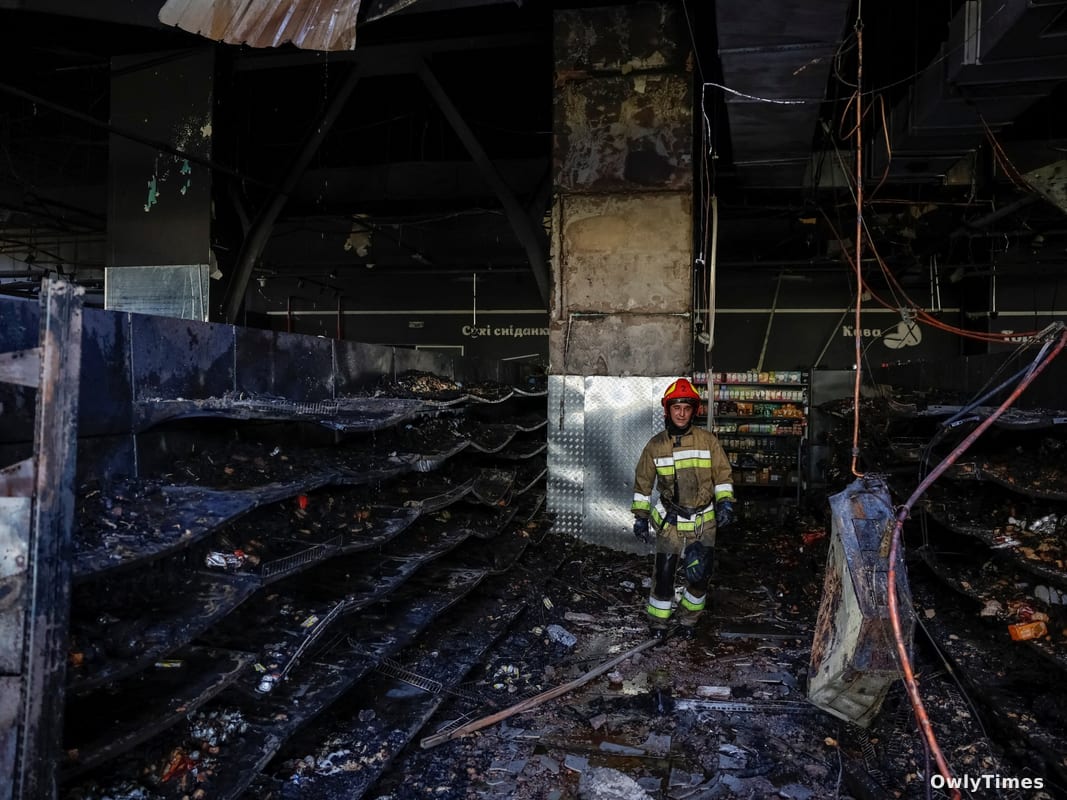
The stated goal of curtailing Iran’s nuclear ambitions, and the claim of having set the country back “15-20 years” militarily, serves as the justification for the escalating conflict. However, independent verification of these claims is absent, and the extent of actual damage to Iran’s nuclear program remains unclear. What is clear is the widening scope of the conflict. While Trump frames the situation as a near-conclusion, strikes continue across the region – from Israeli attacks on alleged chemical weapons facilities (which Iran claims are pharmaceutical plants) to drone attacks targeting Saudi Arabia, Bahrain, and even Kuwait’s airport. The continued attacks, despite Trump’s timeline, suggest either a deliberate strategy to maximize damage before withdrawal or a loss of control over regional actors emboldened by US signaling.
Source material: the BBC.
Who benefits and who loses from this carefully managed exit? Israel stands to gain significantly from a weakened Iran, solidifying its regional dominance and potentially normalizing relations with Saudi Arabia. The US defense industry, predictably, benefits from the influx of military spending. Marco Rubio’s comments about “talks going on” and the potential for a “direct meeting” are less about genuine diplomacy and more about providing a veneer of negotiation while the US continues to dictate terms. Conversely, Iran loses face, suffers economic damage, and faces continued regional instability. Regional allies of Iran, like Hezbollah in Lebanon, are also directly targeted, increasing the risk of a broader proxy war. The Gulf states, while ostensibly protected by US military presence, are caught in the crossfire, experiencing direct attacks on their infrastructure.
The demand from Iranian President Masoud Pezeshkian for “guarantees required to prevent repetition of the aggression” highlights a fundamental tension. Tehran understands that any agreement must address the underlying security concerns that led to the initial attacks. However, Trump’s dismissal of a deal as “irrelevant” suggests the US is unwilling to offer such guarantees, prioritizing instead a unilateral assertion of power. This mirrors the historical pattern of great powers imposing settlements after military victories without addressing the root causes of conflict, a strategy that often sows the seeds for future instability. The European Council President António Costa’s call for Iran to halt attacks and engage diplomatically, while well-intentioned, lacks the leverage to compel either side to alter their course.
The upcoming address to the nation by Trump at 21:00 ET on Wednesday is not a moment for genuine transparency, but a performance designed to solidify public support for his strategy. Expect a reiteration of the narrative of US success, downplaying the ongoing violence and emphasizing the imminent withdrawal. The key political chess move to watch isn’t whether a deal is reached, but whether Rubio, as Secretary of State, can successfully manage the optics of a US disengagement that leaves a power vacuum and risks further escalation. Specifically, will the administration attempt to broker a security arrangement between Israel and Saudi Arabia before fully withdrawing, effectively cementing a new regional order under US patronage? The answer to that question will reveal the true extent of Trump’s long game.