
The calculated ambiguity surrounding President Trump’s pronouncements on “winding down” military operations in Iran isn’t a sign of indecision, but a deliberate tactic to manage multiple, often conflicting, pressures. While publicly suggesting a near-term exit, the simultaneous deployment of 2,500 additional marines and a proposed $200 billion war funding request to Congress reveals a strategy rooted in maintaining maximum leverage – both over Iran and within the increasingly fractured coalition supporting the operation. This isn’t about a genuine desire for de-escalation; it’s about creating the perception of one while solidifying a position of strength, or at least the appearance of it.
The Calculus of Conflicting Signals
The core tension lies in the disconnect between Trump’s rhetoric and the actions of his administration. White House Press Secretary Karoline Leavitt’s assertion that the mission will take “approximately 4-6 weeks” – now entering its third week – is a carefully constructed timeline. It allows the President to claim progress while simultaneously providing a buffer for continued military engagement. This mirrors the strategy employed during the initial phases of the Iraq War in 2003, where optimistic projections of a swift victory were used to garner public support, even as the conflict dragged on. The lifting of sanctions on Iranian oil already loaded on ships, ostensibly to address soaring fuel prices, further complicates the narrative. It’s a concession designed to stabilize global markets, but also a signal to Iran that economic relief is possible – contingent on their behavior. Who benefits and who loses here is clear: oil markets and potentially Iran benefit from price stabilization, while hawks within the administration and allied nations like Israel likely view the move as premature appeasement.
This article draws on reporting from Al Jazeera.
Iran’s Response and the Diego Garcia Gambit
Iran’s response, including the firing of two ballistic missiles at the Diego Garcia military base, underscores the escalating nature of the conflict despite the talk of winding down. The subsequent denial of responsibility by a senior Iranian official is a classic maneuver – plausible deniability designed to avoid direct escalation while simultaneously signaling capability. The significance of Diego Garcia, a joint US-UK facility, cannot be overstated. Allowing the US to use the base for “defensive operations,” as the UK has done, draws Britain deeper into the conflict and raises the stakes considerably. The revelation that the attack occurred before Britain’s specific authorization is a pointed embarrassment for the UK government, highlighting a potential loss of control over its own strategic assets. This echoes the Suez Crisis of 1956, where Britain found itself strategically outmaneuvered and reliant on US intervention.
Shifting Rationales and Internal Divisions
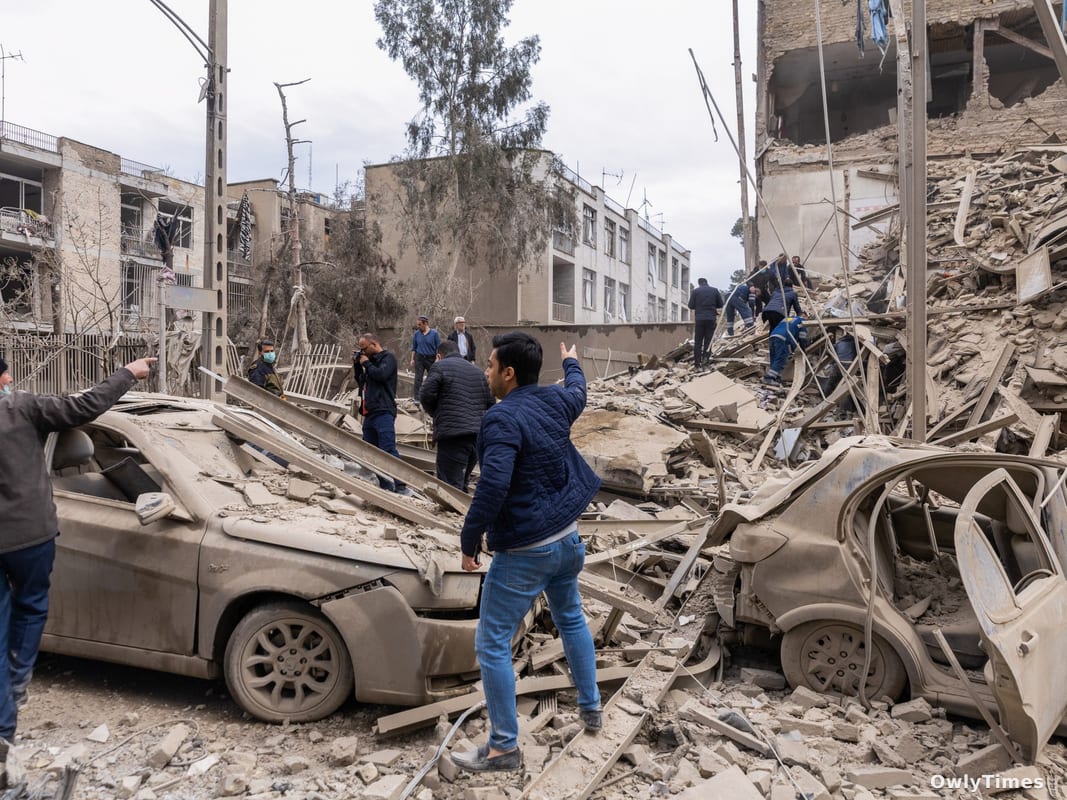
The shifting rationales for the war – from regime change to dismantling Iran’s nuclear program – reveal a lack of clear objectives and a growing internal debate within the US-Israeli alliance. Israeli Defence Minister Israel Katz’s statement that Israel will “significantly” increase the intensity of strikes directly contradicts President Trump’s suggestion of a drawdown. This divergence points to a fundamental disagreement over strategy. Israel, facing a direct threat from Iranian missiles, is likely to prioritize a more aggressive approach, while Trump may be more concerned with the political and economic costs of a prolonged conflict. The fact that over 1,400 people have been killed in Iran, 1,000 in Lebanon, and at least 18 in Israel, alongside 13 US soldiers, underscores the human cost of this ambiguity. The numbers aren’t just statistics; they represent a growing pressure on all parties to find a resolution, even if that resolution is merely a temporary cessation of hostilities.
The Next Move: Netanyahu’s Red Line
The political chess move to watch next isn’t Trump’s next tweet, but Prime Minister Netanyahu’s response to any perceived weakening of US resolve. Netanyahu has repeatedly stated that Israel will not allow Iran to develop nuclear weapons, and his vow to “continue striking our enemies on all fronts” suggests he is prepared to act unilaterally if he believes US policy is jeopardizing Israel’s security. The question is: at what point does Netanyahu define a US drawdown as crossing a red line, triggering a more assertive – and potentially destabilizing – Israeli operation? The coming weeks will reveal whether Trump’s calculated ambiguity is a path to de-escalation, or a prelude to a wider, more dangerous conflict.