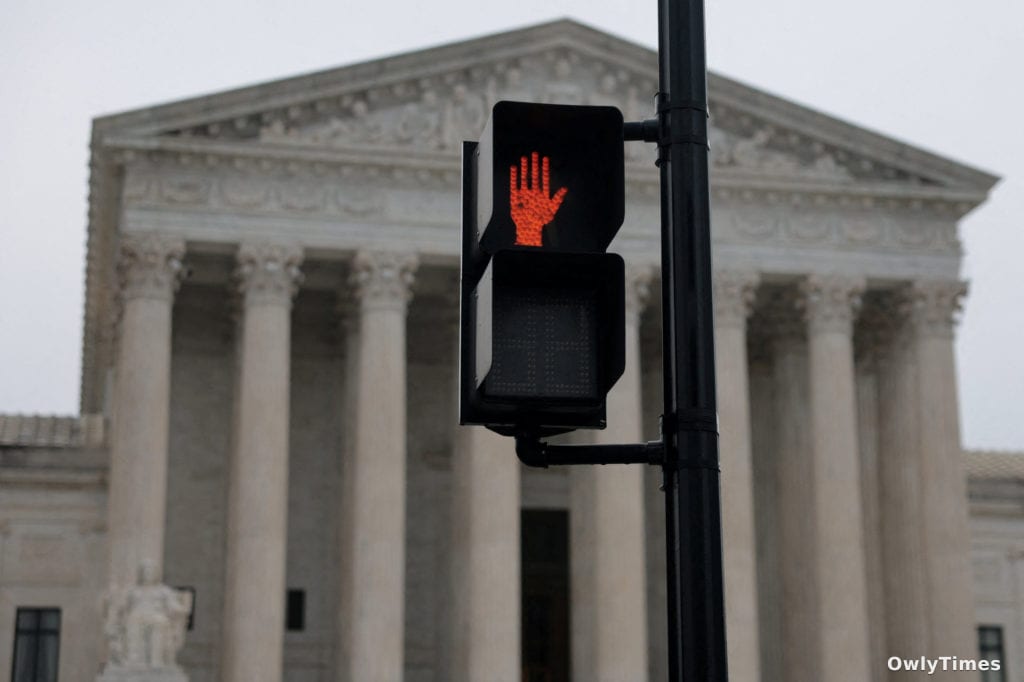

The Limits of Executive Power: A Tariff Ruling with Echoes of Nixon
The Supreme Court’s 6-3 rejection of Donald Trump’s tariffs isn’t simply a defeat for a specific economic policy; it’s a strategic recalibration of power between the executive and legislative branches, one with historical precedents stretching back to the fraught economic interventions of the Nixon era. The ruling, striking down tariffs imposed under the 1977 International Emergency Economic Powers Act (IEEPA), reveals a calculated risk by the court to constrain the expansive interpretation of presidential authority, even as two of Trump’s own appointees joined the majority. This wasn’t a judgment on the merits of tariffs themselves, but on how they were enacted – a distinction crucial to understanding the long-term implications. The immediate impact is the dismantling of a key component of Trump’s “America First” trade strategy, but the broader consequence is a narrowing of the pathways available to future presidents seeking to bypass Congress on matters of economic policy.
IEEPA’s Erosion: From Hostage Crisis to Trade Wars
The invocation of IEEPA by Trump to justify tariffs based on trade deficits was, as Chief Justice John Roberts pointedly noted, unprecedented. The law, originally intended to address genuine national security emergencies like the Iran hostage crisis in 1979, had been steadily broadened in scope over decades. Its use following 9/11 and during the Syrian civil war established a pattern of executive action in response to international crises, but these applications involved direct threats to national security – a far cry from a trade imbalance. The court’s decision implicitly acknowledges this creep, signaling a reluctance to allow IEEPA to become a catch-all for presidential economic agendas. This isn’t a new debate; Richard Nixon’s imposition of wage and price controls in 1971, also framed as an emergency measure, faced similar challenges regarding executive overreach, though those were ultimately navigated through different legal channels. The parallel is striking: both presidents sought to unilaterally address complex economic problems, and both faced pushback on the grounds of exceeding constitutional boundaries.
Reporting from PBS informs this analysis.
Who Benefits and Who Loses in the Aftermath?
The immediate beneficiaries of the ruling are American importers and consumers who will no longer face the increased costs associated with Trump’s tariffs. Industries reliant on global supply chains, particularly those in manufacturing and retail, stand to gain from reduced input costs. However, the impact isn’t uniformly positive. Domestic industries that benefited from the protection afforded by the tariffs – specifically, sectors competing with cheaper imports – will likely experience renewed pressure. The steel and aluminum industries, for example, saw a temporary boost from the tariffs, but now face a more competitive landscape. Politically, the ruling represents a win for Congressional Republicans who consistently opposed Trump’s tariff policies, arguing they harmed American businesses and consumers. Conversely, it’s a setback for the remnants of the “America First” wing of the Republican party, who championed the tariffs as a means of restoring American manufacturing and economic independence.
The Fractured Conservative Majority and the Future of Trade Policy
The fact that Justices Neil Gorsuch and Brett Kavanaugh, both appointed by Trump, sided with the majority is particularly noteworthy. It suggests a commitment to legal principle – specifically, a strict interpretation of statutory authority – that transcends partisan loyalty. This fracturing within the conservative majority underscores the internal tensions within the court and highlights the limits of relying on judicial appointments to achieve specific policy outcomes. The ruling doesn’t preclude future tariff actions, but it forces the executive branch to seek Congressional authorization, a significantly higher hurdle. The Biden administration, while largely maintaining Trump’s tariffs on China, now operates under a clearer legal constraint. The $357.3 billion trade deficit with China in 2023, a figure that fueled Trump’s initial justification for the tariffs, remains a significant economic and political pressure point, but addressing it will now require navigating the complexities of Congressional negotiation.
The Next Chess Move: A Push for Trade Promotion Authority?
The most significant political move to watch for isn’t a direct response to the tariff ruling, but a potential attempt to revive Trade Promotion Authority (TPA). TPA, also known as “fast track” authority, allows the President to negotiate trade agreements that Congress can only approve or reject, not amend. This power, crucial for securing international trade deals, has lapsed periodically and was never renewed under Trump. A renewed push for TPA, spearheaded by members of both parties who recognize the need for a more predictable trade framework, would be a direct response to the court’s decision. It would allow the executive branch to regain some of the lost ground in trade policy, but only if it can overcome the growing skepticism towards free trade agreements within both parties. The question is whether President Biden will prioritize trade liberalization, and whether he can build the bipartisan coalition necessary to secure TPA in a deeply polarized political environment.





