
The Reset Strategy: Trump’s State of the Union and the Midterm Calculus
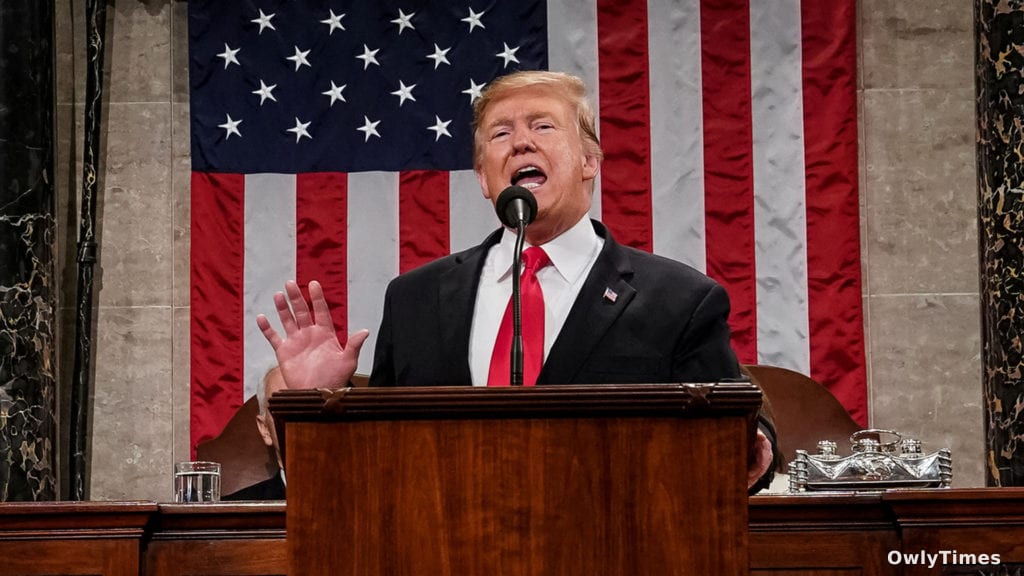
President Donald Trump’s second State of the Union address isn’t simply a constitutional requirement; it’s a meticulously planned intervention. The timing, just months before the midterm elections, reveals a strategic imperative: to arrest a narrative of decline and reassert control over a political landscape slipping from his grasp. The speech, predicted by the President himself to be lengthy – exceeding last year’s record-breaking 99 minutes – isn’t about informing the public as much as it is about re-framing the public’s perception of his administration. This isn’t a moment for consensus-building, but for a forceful articulation of a revised agenda, aimed squarely at mobilizing his base and attempting to win back wavering independents.
A Nation’s Discontent: The Poll Numbers Tell a Story
The backdrop against which Trump delivers this address is stark. A recent PBS News/NPR/Marist poll reveals a deeply pessimistic electorate, with 60% of Americans believing the country is worse off than it was a year ago, compared to only 40% who see improvement. This isn’t merely dissatisfaction with policy; it’s a fundamental erosion of confidence in the direction of the nation under his leadership. The significance of this number extends beyond simple disapproval ratings. It suggests a widespread sense of instability, a feeling that the foundational promises of the Trump presidency – economic prosperity, national security, a return to traditional values – have gone unfulfilled. This level of discontent, particularly heading into the midterms, represents an existential threat to the Republican party’s hold on Congress.
Source material: PBS.
Echoes of Nixon: Managing Perceptions in Times of Crisis
The situation bears a striking resemblance to the political climate facing Richard Nixon in the early 1970s. Like Trump, Nixon faced declining approval ratings, a deeply divided nation, and mounting skepticism about his administration’s claims. Nixon, too, utilized the State of the Union address as a platform to attempt a narrative reset, focusing on achievements (however selectively presented) and projecting an image of strength and resolve. However, Nixon’s efforts were ultimately undermined by the unfolding Watergate scandal and a growing sense of distrust. The parallel isn’t to suggest identical outcomes, but to highlight a recurring pattern: presidents facing significant public dissatisfaction often resort to assertive rhetoric and a focus on perceived successes to regain control of the narrative. The key difference, then and now, lies in the credibility of the messenger and the underlying reality of the situation. PolitiFact’s ongoing “MAGA-Meter” project, which consistently debunks the President’s claims of fulfilling campaign promises, underscores this credibility gap.
The Independent Slide and the Republican Firewall
Perhaps the most concerning trend for the Trump administration, as reported by Tamara Keith and Jasmine Wright, is the erosion of support among independent voters. This demographic, often the deciding factor in midterm elections, is increasingly distancing itself from the President. The loss of independents isn’t simply a matter of shifting political allegiances; it’s a sign that the President’s message is failing to resonate with a crucial segment of the electorate. This is where the State of the Union becomes particularly critical. The speech must attempt to address the concerns of these voters – economic anxieties, social divisions, and a growing sense of political polarization – without alienating the President’s core base. The challenge is immense, requiring a delicate balancing act that few presidents have successfully navigated. The Republican firewall, traditionally built on a coalition of conservative voters and moderate independents, is showing cracks, and the midterm elections will be a test of whether it can be repaired.
The Chess Move to Watch: The Judiciary and the Long Game
While the immediate focus will be on the rhetoric of the State of the Union, the political chess move to watch isn’t what President Trump says, but what he does in the weeks following. Specifically, the appointment of conservative judges to federal courts, particularly the Supreme Court, will be the defining action of this second term. This strategy, already well underway, serves multiple purposes. It solidifies the President’s legacy, appeals to his base, and lays the groundwork for long-term policy changes that may outlast his presidency. It’s a calculated gamble, designed to energize conservative voters and offset potential losses in the midterm elections. The question isn’t whether the President will continue to prioritize judicial appointments, but whether this strategy will be enough to counteract the broader currents of discontent and secure a Republican majority in Congress.





