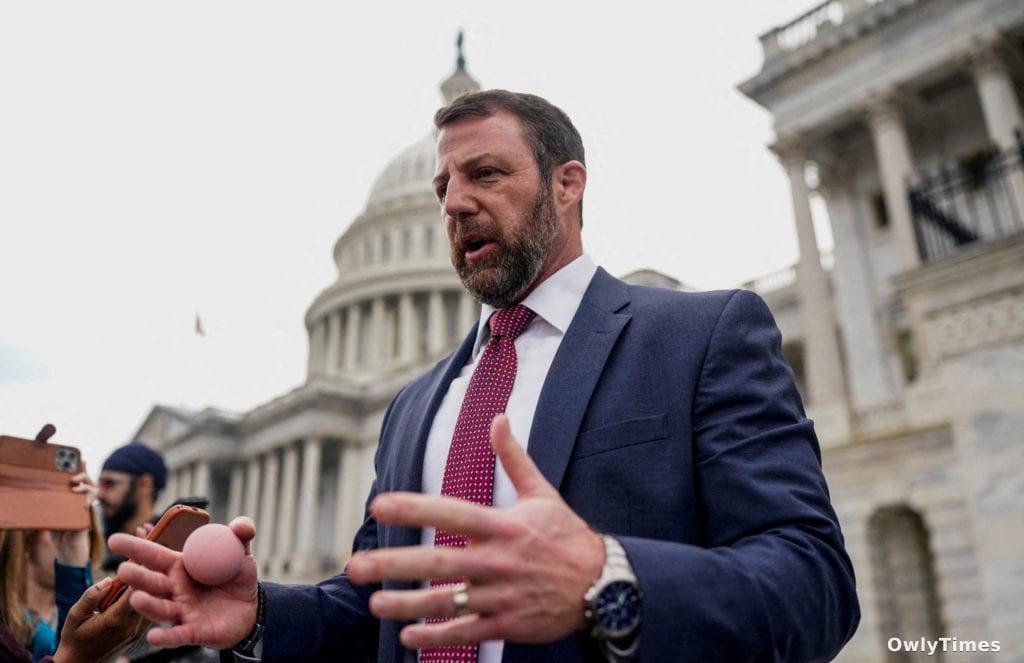

The abrupt dismissal of Kristi Noem as Homeland Security Secretary and the subsequent nomination of Markwayne Mullin isn’t a personnel shift, but a strategic realignment within the Trump administration – a calculated move to consolidate control over a department increasingly vital for executing the President’s hardline immigration policies and preparing for a contested 2028 election. The speed of the change, just two days after a contentious Capitol Hill appearance for Noem, signals a breakdown in trust, but more importantly, a desire for a figure perceived as more reliably obedient and less prone to independent action. This isn’t about competence; it’s about control.
Noem’s Fall From Grace: A Test of Loyalty
Noem’s downfall wasn’t triggered by policy failures, but by a perceived lack of deference to Trump’s authority. While she publicly supported his agenda, the grilling she received on Capitol Hill – from both Republicans and Democrats – wasn’t about the what of her policies, but the how and, crucially, her personal ambitions. Reports suggest the questioning focused on her potential future political aspirations, specifically whether she was positioning herself as a rival for the 2028 Republican nomination. This echoes the pattern established during Trump’s first term, where loyalty was consistently prioritized over experience or ideological purity. The firing serves as a stark warning to other administration officials: ambition, if perceived as a challenge to Trump, will be swiftly punished. Who benefits? Primarily, Trump himself, reinforcing his image as the undisputed leader of the party. Who loses? Noem, obviously, but also any other potential challenger who might have been considering a run against Trump.
Original reporting: PBS.
Mullin’s Ascent: A Safe Pair of Hands
The selection of Markwayne Mullin is deliberately unremarkable. A relatively low-profile Senator from Oklahoma, Mullin has consistently demonstrated unwavering loyalty to Trump, a crucial qualification for this appointment. Unlike Noem, who arrived at DHS with a national profile and a clear political trajectory, Mullin is seen as a team player, unlikely to overshadow the President. His background as a businessman – he founded a plumbing company – also aligns with Trump’s populist appeal, portraying him as an outsider who understands the concerns of everyday Americans. However, Mullin’s lack of extensive experience in national security or emergency management raises questions about his preparedness for the complex challenges facing DHS, including border security, cybersecurity threats, and disaster response. The appointment isn’t about elevating expertise; it’s about securing obedience.
Historical Echoes: The Pattern of Purges
This dynamic – a leader prioritizing loyalty over competence and swiftly removing perceived threats – isn’t new. The historical parallel to Richard Nixon’s White House is striking. Like Trump, Nixon cultivated a culture of intense loyalty and routinely purged officials he deemed disloyal or ambitious. The Saturday Night Massacre in 1973, where Nixon fired the special prosecutor investigating the Watergate scandal, demonstrates the lengths to which a president will go to protect their power. While the circumstances are different, the underlying principle is the same: the consolidation of authority, even at the expense of institutional norms and qualified personnel. The difference here is the speed and publicity of the move. Trump isn’t attempting to hide his motivations; he’s signaling them.
The Border and Beyond: Stakes for 2028
The timing of this shakeup is inextricably linked to the upcoming 2028 election. Trump has consistently made border security a central plank of his platform, and DHS plays a critical role in implementing his policies. With the southern border remaining a contentious issue, Trump needs a Homeland Security Secretary who will aggressively pursue his agenda, regardless of legal or ethical concerns. Furthermore, DHS is responsible for protecting critical infrastructure from cyberattacks and responding to natural disasters – events that could significantly impact the political landscape in the run-up to the election. The question now is whether Mullin, despite his lack of experience, can effectively navigate these challenges while maintaining unwavering loyalty to Trump. The political chess move to watch next isn’t Mullin’s confirmation hearing, but rather the directives he receives after confirmation. Will he be empowered to pursue genuinely effective security measures, or will he be tasked with implementing politically motivated policies designed to bolster Trump’s reelection chances, even if they compromise national security?





