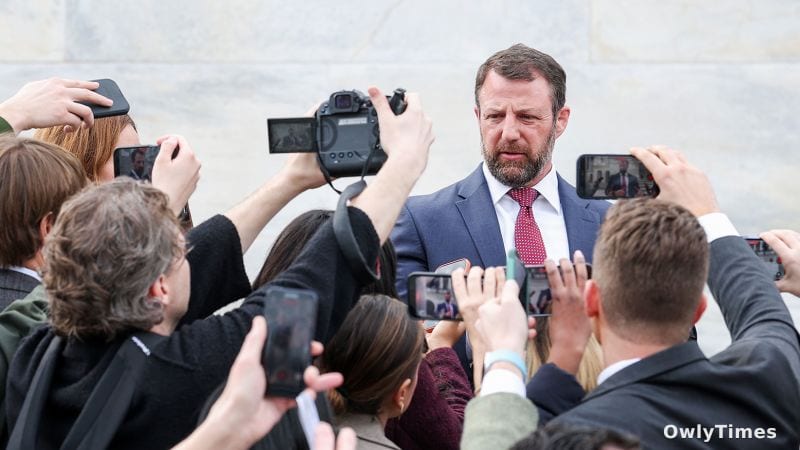

The appointment of Markwayne Mullin as the next Secretary of Homeland Security isn’t about filling a vacancy; it’s a calculated move by Donald Trump to consolidate control over the levers of immigration enforcement and signal a hardening of policy during his second term. The ousting of Kristi Noem, while presented as a personnel change, is strategically timed to install a loyalist – one demonstrably willing to push the boundaries of legal and ethical constraints – at the helm of the most well-funded federal law enforcement agency in the country. This isn’t simply about border security; it’s about establishing a visible, aggressive posture on immigration that directly appeals to Trump’s base and sets the stage for further policy confrontations.
The immediate beneficiaries are clear: Trump himself, who gains a demonstrably compliant DHS Secretary, and the hardline factions within the Republican party who advocate for increasingly restrictive immigration policies. Mullin’s past statements – advocating for the expulsion of children born in the US to undocumented parents, defending the actions of federal agents involved in fatal shootings, and suggesting universal proof of citizenship – align perfectly with this agenda. Conversely, civil liberties groups, immigrant advocacy organizations, and potentially even moderate Republicans will find themselves on the losing end, facing a more hostile and uncompromising DHS. The financial implications are also noteworthy; increased enforcement will inevitably divert resources from other areas within the Department, potentially impacting disaster preparedness and cybersecurity initiatives.
Drawn from CNN.
This move echoes historical precedents of presidents utilizing national security agencies to pursue politically charged agendas. Consider the use of the FBI during the Cold War, where domestic surveillance was justified under the guise of combating communism, or the post-9/11 expansion of surveillance powers under the Patriot Act. In each case, a perceived threat was leveraged to expand executive authority and implement policies that often curtailed civil liberties. Mullin’s background as a former mixed-martial artist and his willingness to engage in confrontational rhetoric – exemplified by his challenge to a union boss during a Senate hearing – suggests a similar inclination towards aggressive action, framed as decisive leadership. This isn’t a secretary focused on bureaucratic nuance; it’s a fighter brought in to wage a political battle.
The legal hurdles surrounding Mullin’s confirmation are significant, and deliberately obscured by the Trump administration’s vague announcement. The President stated Mullin “will become” DHS secretary on March 31, 2026, a date that ignores the Senate confirmation process. As Thomas Berry of the Cato Institute points out, Mullin cannot legally serve as acting secretary without first resigning his Senate seat and taking another position within the executive branch – a maneuver that has faced legal challenges in the past. This suggests a willingness to test the limits of executive power and potentially force a constitutional showdown. The delay in clarifying the confirmation process isn’t an oversight; it’s a tactic to create ambiguity and maintain leverage.
Beyond the immediate implications for immigration policy, the appointment reveals a deeper tension within the Republican party. Mullin’s support for Trump even after the January 6th insurrection – initially condemning the riot but ultimately accepting the outcome of the 2020 election as “chosen by the American people” – highlights the party’s continued embrace of a leader who actively questioned democratic norms. His initial urging for Trump to “look at the facts” before pardoning rioters, followed by his acceptance of the pardons, demonstrates a willingness to compromise principles for political expediency. This internal contradiction underscores the ongoing struggle between traditional conservatism and the populist, nationalist strain embodied by Trump.
The political chess move to watch next isn’t whether Mullin is confirmed – it’s how he attempts to reshape the Department of Homeland Security in the interim. Will he prioritize aggressive enforcement tactics, even at the expense of due process? Will he attempt to circumvent legal challenges through executive action? And, crucially, will the Senate – even with a narrow Republican majority – allow him to do so unchallenged? The answer to those questions will reveal the true extent of Trump’s ambition and the future of immigration policy in the United States.