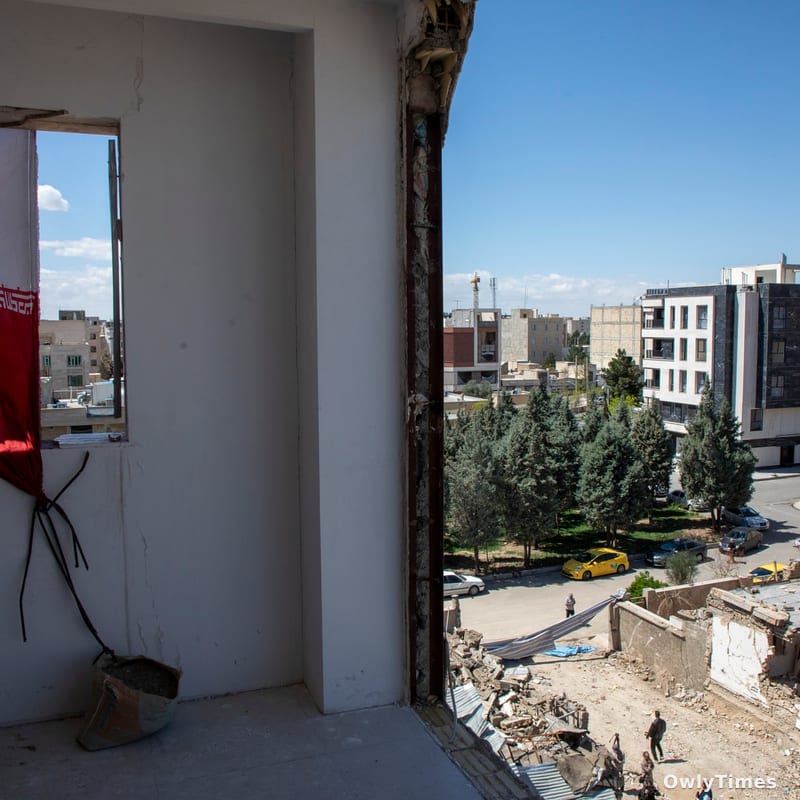

Is anyone actually keeping track anymore? Because the narrative coming out of Washington regarding “Operation Epic Fury” and its objectives in Iran is less a coherent strategy and more a live, unedited stream of consciousness. The real story here isn't the stated goals of dismantling Iran’s military capabilities – it’s the breathtakingly rapid erosion of any pretense of consistent policy, replaced by a chaotic blend of economic opportunism, escalating threats, and outright contradictions. What began as a mission to prevent nuclear proliferation has, in a matter of weeks, morphed into a bizarre negotiation tactic seemingly driven by Donald Trump’s Twitter feed and fluctuating gas prices.
On February 28th, the administration outlined broad objectives: destroy missiles, eliminate the navy, prevent a nuclear weapon. By late March, those objectives were multiplying, contracting, and openly contradicting each other. The shift was dizzying. Within 48 hours, Trump went from suggesting other nations could reopen the Strait of Hormuz independently to claiming the US could “easily” do it. This isn’t strategic pivoting; it’s a policy whiplash that leaves allies bewildered and adversaries guessing – and ordinary Americans footing the bill for a conflict with no clear endpoint. The national gas price average hitting $4 a gallon isn’t a coincidence; it’s a direct consequence of the instability this erratic behavior injects into global energy markets.
The week of March 29th offered a masterclass in diplomatic chaos. Aboard Air Force One, Trump announced “talks are going great,” claiming Iran had agreed to “most” of a 15-point US demand list, delivered via Pakistan, and even sent oil as a “show of good faith.” Simultaneously, in a separate interview with the Financial Times, he openly mused about seizing Kharg Island – the hub for 90% of Iran’s oil exports – and “taking the oil” to benefit the US. This isn’t diplomacy; it’s highway robbery dressed up as foreign policy. Mohammad Bagher Ghalibaf, Iran’s parliament speaker, rightly rejected these negotiations as attempts at forced submission. The disconnect between the public messaging of progress and the underlying threat of outright plunder is staggering.
Then came the escalation. On March 30th, Trump declared discussions were underway with a “NEW, AND MORE REASONABLE, REGIME” in Iran, while simultaneously threatening to obliterate Iran’s infrastructure – power plants, oil wells, desalination plants – if a deal wasn’t reached “shortly.” This isn’t a negotiation; it’s a hostage situation played out on social media. The threat to destroy desalination plants, essential for providing drinking water to millions, is particularly chilling, revealing a callous disregard for civilian welfare. The following day, the focus shifted again, with Trump suggesting the US would “leave soon” and let European nations fend for themselves in securing access to the Strait of Hormuz, even questioning the capabilities of the “big, bad Royal Navy.” This isn’t alliance building; it’s a deliberate dismantling of decades-long partnerships.
Reporting from The Guardian informs this analysis.
The final days of March and early April were a crescendo of absurdity. A claimed ceasefire request from Iran’s “New Regime President” was immediately followed by threats to blast the country “back to the Stone Ages.” A primetime address, promising “core strategic objectives” nearing completion, included a denial that the war had anything to do with oil – a claim directly contradicted by his earlier pronouncements and a subsequent Truth Social post asking, “With a little more time, we can easily OPEN THE HORMUZ STRAIT, TAKE THE OIL, & MAKE A FORTUNE???” The destruction of the B1 bridge near Tehran, proudly showcased in a video posted by Trump, underscored the escalating violence, while the promise of targeting bridges and power plants next signaled a further descent into indiscriminate destruction. Pete Hegseth, the US secretary of defense, echoed the sentiment, questioning the readiness of the UK’s Royal Navy.
The constant shifting of goals, the blatant contradictions, and the reliance on social media pronouncements aren’t just bad policy – they’re a symptom of a deeper problem. This isn’t about national security; it’s about Trump’s need for perceived control and a desperate attempt to deflect attention from domestic issues. The average American, struggling with rising gas prices and economic uncertainty, is being asked to bear the cost of this geopolitical theater. The real casualty here isn’t Iranian infrastructure; it’s the credibility of US foreign policy and the trust of its allies.
Here’s what to watch for: within the next six weeks, expect a significant escalation in domestic political pressure on Trump to either demonstrate tangible benefits from this conflict – ideally, lower gas prices – or to extract the US from the situation entirely. The window for coherent diplomacy has closed. The question isn’t if this will end badly, but how – and whether the fallout will be contained to the Middle East, or will ripple across the global economy.





