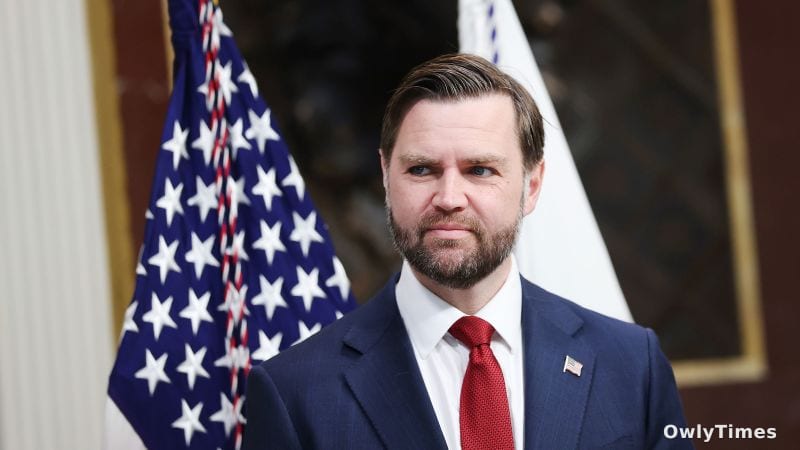

Is the Biden administration actively propping up a government increasingly isolated on the world stage, all while a major geopolitical deadline looms? The optics of Vice President JD Vance’s trip to Budapest, Hungary, this week are… complicated, to say the least. Officially, it’s about strengthening ties with a nation of 10 million. The real story here isn’t deepening US-Hungary relations – it’s a desperate gamble to salvage a key ally for Donald Trump as Europe shifts, and a high-stakes attempt to leverage that alliance in the escalating conflict with Iran.
Vance’s visit arrives days before Hungary’s national elections, a contest where longtime Prime Minister Viktor Orbán is facing his most significant challenge in years. Orbán, a nationalist leader lauded by the Trump administration and increasingly aligned with Russia, is trailing in the polls. The administration’s enthusiastic endorsement – with President Trump himself calling into a rally in support of Orbán – feels less like standard diplomatic practice and more like a last-minute intervention. This isn’t about Budapest; it’s about signaling to the global right that the US still has their back, even as traditional alliances fray.
Reporting from CNN informs this analysis.
The “golden era” of US-Hungary relations, as Orbán described it to reporters, is built on shared ideological ground. Vance and Orbán explicitly referenced “Christian civilization and Christian values” during a joint press conference, a coded message to a specific segment of the electorate both at home and abroad. But this overt alignment with a leader accused of eroding democratic institutions – through hardline immigration policies, politicization of the justice system, and attacks on the press – is alienating many of America’s traditional European partners. Washington is openly prioritizing ideological alignment over longstanding strategic partnerships, a dangerous game as tensions with NATO escalate over the reopening of the Strait of Hormuz.
The timing of Vance’s trip is particularly fraught. It coincides with the expiration of President Trump’s ultimatum to Iran regarding the Strait of Hormuz, a critical waterway for global oil supplies. The threat of “massive attacks on power plants and water facilities” if Iran doesn’t comply is a gamble, and Vance is reportedly at the center of efforts to broker a peaceful resolution. Speculation is rife that Vance might use his proximity to Hungary as a staging ground for a meeting with Iranian officials, though the administration remains tight-lipped. This isn’t simply about preventing a wider conflict; it’s about demonstrating that the Trump administration can achieve results through unconventional diplomacy, leveraging allies like Orbán who share their hawkish stance.
However, Orbán’s domestic situation is far from secure. Recent polls, like the one from 21 Research Centre in late March, show the opposition Tisza party with a significant lead – 56% to Fidesz’s 37% – though a substantial 26% of voters remain undecided. President Trump’s previous endorsements haven’t moved the needle significantly, and his absence in the final stretch of the campaign suggests a degree of caution. Enter Vance, tasked with injecting momentum into Orbán’s campaign and signaling the administration’s unwavering support. The message is clear: a win for Orbán is a win for the Trump administration’s broader geopolitical strategy.
The administration’s willingness to openly support a leader whose policies mirror those of President Trump – prioritizing national sovereignty, traditional values, and hard borders – is a stark departure from traditional US foreign policy. Orbán has become a lodestar for the global hard-right, receiving endorsements from figures like Marine Le Pen and Giorgia Meloni. This isn’t simply about Hungary; it’s about building a network of like-minded leaders who can advance the Trump administration’s agenda on issues ranging from immigration to trade.
But the gamble carries significant risks. Alienating traditional allies in Europe, prioritizing ideological alignment over democratic values, and escalating tensions with Iran could backfire spectacularly. The administration is betting that Orbán’s success will strengthen its hand in negotiations with Iran and bolster its position on the world stage. But if Orbán loses on Sunday, it will be a clear signal that the Trump administration’s strategy of courting populists and challenging the established order is failing.
Here’s what to watch for: if Orbán loses the election, will the administration quietly distance itself, or will they double down on their support, framing the outcome as evidence of foreign interference? The answer will reveal a lot about the future of US foreign policy and the lengths to which this administration is willing to go to achieve its goals.





