
The Calculus of Asking for Help: Trump’s Strait of Hormuz Gambit
The sudden urgency with which President Trump is soliciting international assistance regarding the crisis in the Strait of Hormuz isn’t a sign of escalating threat, but a belated recognition of strategic overreach. For months, the administration has projected an image of self-sufficiency, even dismissing offers of aid as unnecessary. This pivot – from confident unilateralism to a plea for collective security – reveals a fundamental miscalculation: that a show of force could secure the region without incurring the political costs of alienating allies. The current scramble for support isn’t about bolstering military capacity; it’s about damage control, attempting to salvage a position weakened by years of strained relationships and dismissive rhetoric.
Based on the original CNN report.
The core question is simple: who benefits and who loses from this shift? Initially, Iran benefits from the perception of American isolation, demonstrating the limits of US power projection. China, heavily reliant on oil transiting the Strait – a fact Trump himself acknowledged, stating “much of the oil that China imports comes through the strait” – stands to lose from disruption, and therefore has a vested interest in stability, even if it doesn’t publicly align with US efforts. The biggest losers, however, are the allies themselves. They are now being asked to support an operation framed by a leader who has consistently denigrated their contributions and questioned the value of the alliances they underpin. The demand, delivered with characteristic bluntness – “It’d be interesting to see what country wouldn’t help us with a very small endeavor” – feels less like a request and more like a rebuke.
This dynamic echoes historical precedents of leaders initiating conflicts with limited allied support, only to find themselves reliant on those same partners when the situation deteriorates. The 1991 Gulf War, while ultimately a coalition effort, began with a period of intense diplomatic maneuvering as the George H.W. Bush administration sought to build consensus. However, the key difference is that Bush actively cultivated alliances before initiating military action, whereas Trump appears to be attempting to retrofit support onto a pre-existing, and increasingly isolated, posture. The parallel to the Vietnam War is also instructive. Initial US involvement was framed as limited assistance, but escalated into a protracted conflict that required significant international support – support that was often begrudgingly given and contingent on specific conditions.
The pattern of contradictory statements is particularly revealing. On March 3rd, after Spain refused access to its air bases, Trump dismissed the need for their assistance, declaring “Spain has absolutely nothing that we need.” Just days later, on March 7th, he claimed victory was already achieved and rejected the UK’s offer to dispatch an aircraft carrier, tweeting “we don’t need them any longer.” This culminated in a series of rejections of aid from Ukraine (“we don’t need the help in drone defense”) and a dismissive attitude towards allies generally. The subsequent demand for assistance, coupled with his public shaming of allies like the UK – “I said, ‘You don’t need to meet up with the team. You’re the prime minister…’” – demonstrates a profound disconnect between rhetoric and reality.
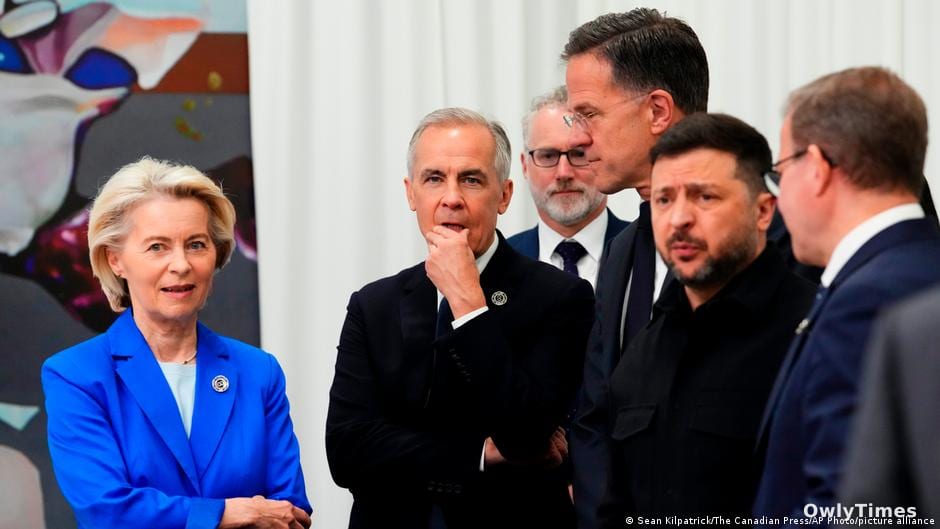
The long-term damage to transatlantic relations is substantial. Trump’s past behavior – questioning NATO’s relevance (“We’ve never needed them”), suggesting the US could invade Greenland, and proposing outlandish ideas like buying Greenland or making Canada the 51st state – has eroded trust and fostered a sense of uncertainty among allies. His tariffs and inflammatory remarks at international summits have further exacerbated these tensions. The recent comments from Canadian Prime Minister Mark Carney and others hinting at decoupling from the US underscore the depth of the alienation. This isn’t simply a matter of bruised egos; it’s a fundamental questioning of the US commitment to the post-war international order.
Despite the strained relationships, the economic stakes in the Strait of Hormuz – a critical artery for global oil supplies – may compel some nations to offer assistance, even if only symbolically. However, the manner in which Trump has approached this crisis has significantly reduced the goodwill available to him. The political chess move to watch next isn’t whether allies will respond to his call, but whether Trump will acknowledge the role his own policies played in creating this predicament. Will he offer a genuine apology and a commitment to rebuilding trust, or will he continue to blame allies for his own strategic miscalculations? The answer to that question will determine not only the outcome of this particular crisis, but the future of US leadership on the world stage.