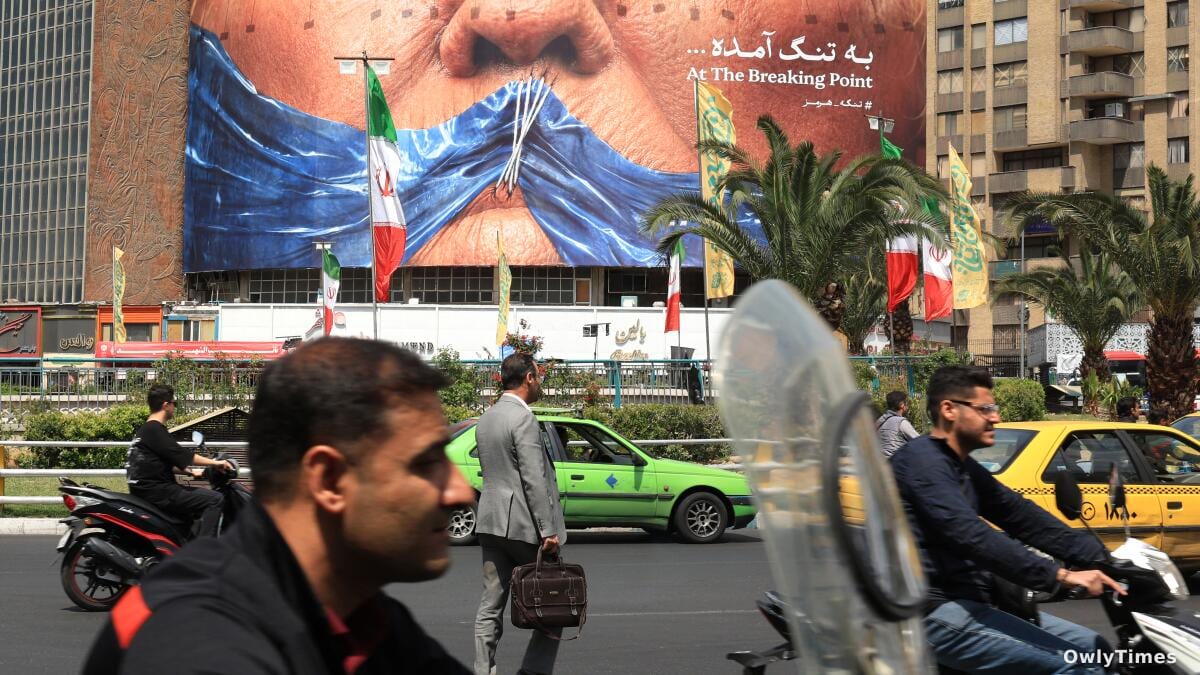

The strategic calculus behind the launch of “Project Freedom” is a high-stakes gamble to decouple global energy security from Iranian territorial claims. By deploying 15,000 U.S. servicemen and 100 aircraft, the Trump administration is attempting to force a return to the status quo ante in the Strait of Hormuz through sheer kinetic presence. This move seeks to delegitimize Tehran’s demand for prior approval to transit the 21-mile-wide waterway, effectively challenging the Islamic Revolutionary Guard Corps (IRGC) to either engage in a direct, high-intensity conflict with a superior naval force or cede control of the transit lane.
The Costs of Naval Brinksmanship
Who benefits and who loses from this escalation is defined by the volatility of the energy markets. The immediate winners in this theater are energy producers, as the instability has driven oil prices above $114 per barrel, a price point not observed since the ceasefire nearly a month ago. Conversely, the losers are global supply chains and the nations reliant on the Strait of Hormuz, through which a fifth of global energy supplies typically flows. With hundreds of cargo ships stranded, the logistical cost of the blockade is already manifesting in regional infrastructure, notably at the Fujairah Oil Industry Zone, where a drone attack resulted in three injuries and a localized fire.
The contradiction here is stark: while the U.S. frames the operation as a defensive effort to protect civilian transit, the subsequent wave of strikes on the United Arab Emirates and Oman suggests that the presence of the American naval fleet is acting as a lightning rod for Iranian retaliation. Maj. Gen. Ali Abdollahi, as reported by the Mehr News Agency, has made it clear that the presence of foreign armed forces is viewed as an invasion, creating a feedback loop of escalation that threatens to render the previous ceasefire entirely obsolete.
Historical Echoes in the Gulf
This standoff mirrors the historical precedent of the 1980s "Tanker War," where naval powers were similarly forced to escort commercial vessels through the Gulf to prevent regional actors from strangling global oil supply. Just as in that era, the current administration is betting that a massive show of force will deter state actors from targeting international shipping. Adm. Brad Cooper of U.S. Central Command has asserted that the U.S. successfully sank six Iranian boats and intercepted multiple missiles, framing the operation as a clinical success. However, the IRGC has contested this narrative on Telegram, labeling reports of successful transit as "baseless and completely false," highlighting a persistent information war that complicates diplomatic resolution.
The Strategic Pivot Point
The administration’s rhetoric has reached a fever pitch, with President Trump vowing that Iranian forces will be “blown off the face of the Earth” if they interfere with the mission. This is a deliberate shift from the previous policy of containment to one of active denial of the IRGC’s maritime influence. The technical reality underpinning this, as the President noted in a Fox News interview, is a reliance on increased, high-grade ammunition stockpiles at bases worldwide, signaling that the U.S. is positioning itself for a sustained, rather than surgical, engagement.
The next reading of global oil prices will indicate whether this "Project Freedom" is perceived by the market as a temporary naval escort operation or a prolonged regional conflict. If prices continue to climb beyond the $114 threshold, it will signal that the shipping industry does not believe the U.S. Navy can guarantee safe passage despite the deployment of anti-ballistic missile destroyers. Watch for the next update from the U.K.’s Maritime Trade Operations Center regarding the status of the commercial vessel currently on fire off the coast of the UAE; the outcome of that investigation will serve as the primary metric for whether the current naval blockade is successfully containing or exacerbating the threat to maritime commerce.