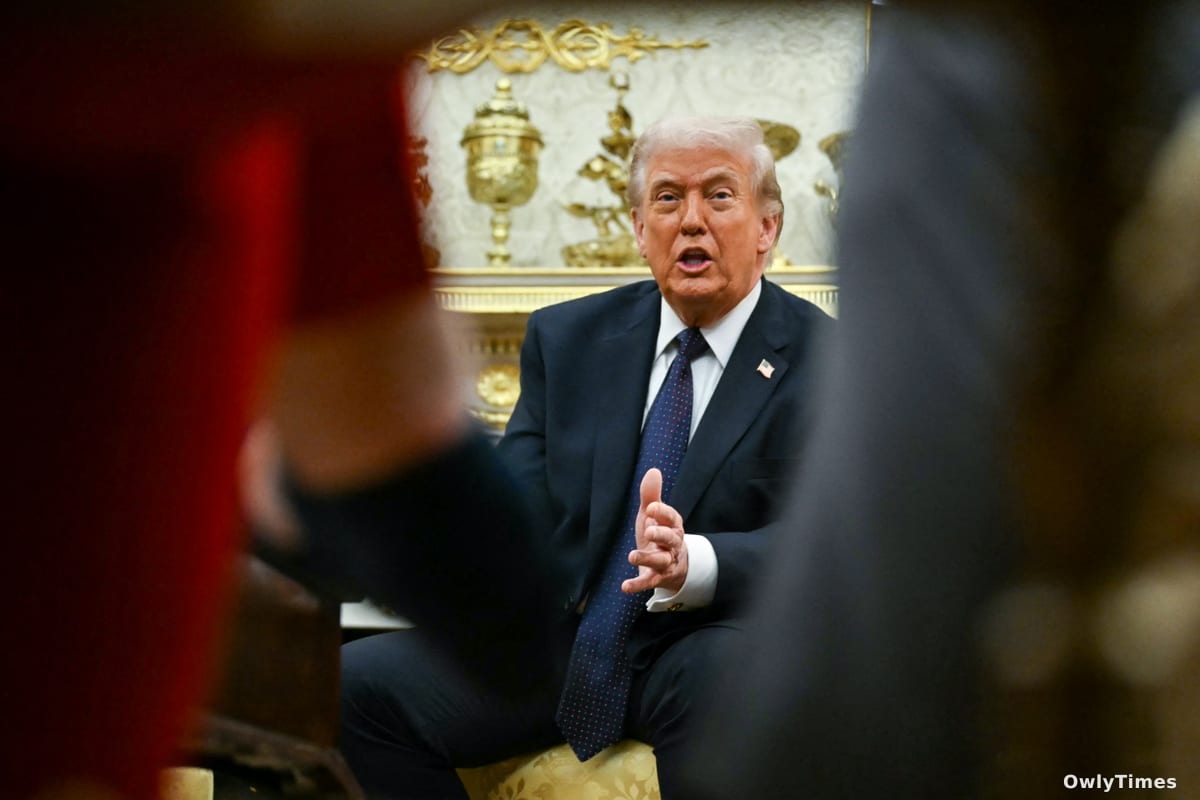

Is anyone actually listening to what Donald Trump says about Iran, or just bracing for what he’ll do? The televised address tonight isn’t about strategy, or even about a potential ceasefire. It’s a performance, a desperate attempt to regain control of a narrative that’s spiraled into a mess of contradictory statements, escalating threats, and a rapidly souring public mood. The real story here isn't the war with Iran – it's Trump’s increasingly tenuous grip on reality, and the very real economic pain ordinary Americans are starting to feel as a result.
The Shifting Sands of Victory Declarations
For over a month, the U.S. has been engaged in conflict with Iran, initiated alongside Israel with bombing campaigns beginning in late February. Yet, defining “victory” seems to change with the wind. One day, Trump is promising a swift exit, claiming the war is all but won. The next, he’s threatening to obliterate Iran “back to the Stone Ages” if they don’t immediately reopen the Strait of Hormuz. This isn’t a nuanced foreign policy debate; it’s a man seemingly improvising on a global stage, and the consequences are far-reaching. His claim, posted hours before the address, that Iran’s president requested a ceasefire – immediately dismissed by Iranian Foreign Minister as “false and baseless” – exemplifies this pattern. It’s a tactic ripped straight from the playbook of distraction, designed to create the illusion of control.
Drawn from NPR.
The administration initially projected a conflict lasting four to six weeks. Now, Trump suggests another two to three weeks, a subtle admission that the situation isn’t unfolding as planned. More importantly, the stated objectives themselves are blurry. While some goals – allegedly crippling Iran’s Navy and missile capabilities – may have seen partial success, the claim of permanently preventing Iran from obtaining a nuclear weapon feels…optimistic, at best. Trump’s assertion that “they will have no nuclear weapon” is followed by the caveat that a future president might need to “knock the hell out of them again,” revealing a fundamental lack of confidence in any lasting solution. It’s a promise built on sand, and everyone involved knows it.
The Price at the Pump and Beyond
While the geopolitical maneuvering plays out on cable news, the tangible impact is hitting Americans where it hurts: the wallet. The closure, or even the threat of closure, of the Strait of Hormuz – a critical artery for global oil supply, handling roughly 20% of the world’s total – has already pushed gasoline prices to an average of over $4 per gallon. That’s a significant jump, and it’s not just about filling up the car. Increased transportation costs ripple through the entire economy, impacting everything from groceries to manufacturing. Farmers, already struggling with unpredictable weather, are facing higher fertilizer prices, adding another layer of economic pressure. This isn’t abstract geopolitical risk; it’s a direct hit to household budgets.
Trump’s attempt to deflect responsibility – suggesting France or other countries can “fend for themselves” if they want to navigate the Strait – is particularly galling. It’s a blatant abdication of American leadership and a demonstration of how quickly alliances can fray when trust erodes. The idea that other nations will simply risk their vessels in a potentially hostile waterway while the U.S. washes its hands of the situation is, frankly, absurd. It’s a strategy built on wishful thinking, not strategic calculation.
A President Losing Ground
The escalating conflict isn’t just impacting the economy; it’s also eroding Trump’s political standing. His approval rating is hitting first-term lows, according to both The New York Times and Real Clear Politics polling averages. This isn’t surprising. A war with no clear objective, coupled with a president who can’t seem to articulate a coherent strategy, is a recipe for public discontent. The constant contradictions and shifting goalposts breed distrust, and the economic fallout only exacerbates the problem. Friedrich Merz, the German Chancellor and the first European leader to visit Trump since the war began, likely isn’t offering congratulations. He’s likely assessing the damage and bracing for the fallout in Europe.
The visit from Chancellor Merz itself is telling. It’s a diplomatic courtesy, yes, but also a signal of European anxiety. They’re watching this unfold with growing alarm, recognizing that a destabilized Middle East has far-reaching consequences for global security and economic stability. They’re also likely questioning the reliability of an ally who seems increasingly unpredictable.
Tonight’s address won’t change the fundamental problem: a president who prioritizes projecting strength over achieving sustainable solutions. Expect more bluster, more vague promises, and more shifting blame. But here’s what to watch for: will Trump offer any concrete steps towards de-escalation, or will he double down on threats? More importantly, will he acknowledge the economic pain being felt by ordinary Americans? If the speech is solely focused on reaffirming his own perceived strength, brace yourselves for a long, expensive, and increasingly volatile summer at the gas pump.





