
The Calculus of Containment: Why Trump’s Iran Strategy Now Hinges on Energy Markets
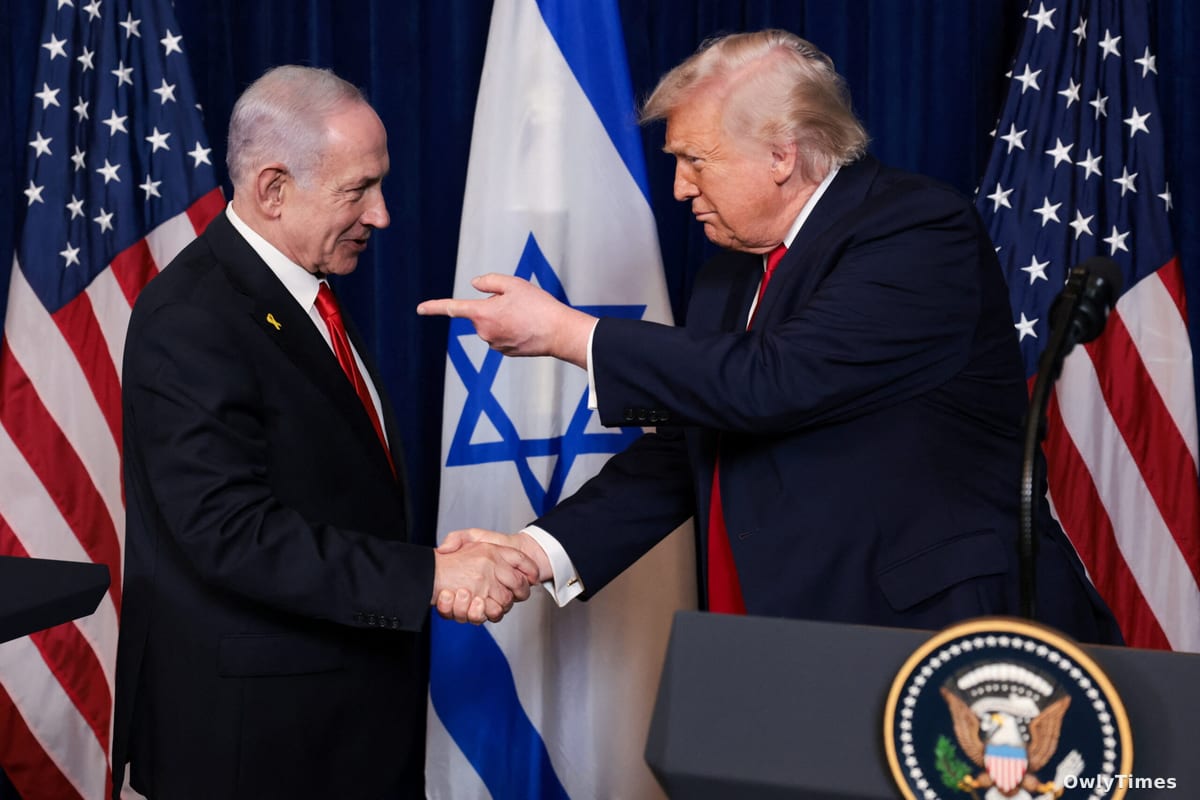
The launch of Operations Epic Fury and Roaring Lion on February 28 wasn’t simply a military response to Iranian aggression; it was a calculated gamble predicated on a fleeting window of opportunity. President Trump and Prime Minister Netanyahu recognized a convergence of vulnerabilities – Iran’s post-October 7 missteps, a weakened proxy network, prior successful strikes against its nuclear program in June 2025, and internal unrest – to attempt a decisive degradation of Iranian power. However, the closure of the Strait of Hormuz has fundamentally altered the strategic equation, shifting the definition of “victory” from military objectives to economic control and forcing Trump to confront a stark reality: his domestic political constraints are now inextricably linked to global energy prices.
This piece references the atlanticcouncil.org report.
The initial phase of the war, characterized by unparalleled US-Israeli military coordination resulting in over 15,000 strikes, achieved significant tactical successes. US intelligence estimates that nearly two-thirds of Iranian missiles and drones have been destroyed or damaged. Yet, this military triumph is overshadowed by the economic fallout. The roiling of global energy markets, the spreading economic crisis, and the strain on US military readiness in other critical theaters – the Indo-Pacific and Europe – represent the second and third-order effects US policymakers anticipated, but underestimated the speed and severity of. This is where the divergence between US and Israeli interests becomes acute. While Israel prioritizes the dismantling of Iran’s ballistic missile program, regardless of global consequences, the United States must weigh those consequences against its broader strategic commitments.
This dynamic echoes historical precedents. The 1973 oil crisis, triggered by the Arab oil embargo, demonstrated the vulnerability of the US economy to disruptions in Middle Eastern energy supplies. Then, as now, military action in the region carries the risk of economic destabilization at home. The current situation, however, is arguably more precarious. The scale of Iranian disruption – effectively choking off a vital artery of global trade – surpasses the 1973 embargo, and the interconnectedness of the global economy amplifies the potential for cascading effects. The administration’s earlier attempt to ease oil sanctions in March, intended to alleviate market pressures, may have inadvertently strengthened Iran’s negotiating position, demonstrating a willingness to concede ground.
The political realities facing Trump and Netanyahu further complicate the calculus. Support for the war is 38 percentage points higher in Israel than in the United States, a critical difference stemming from Israel’s direct exposure to Iranian threats and Netanyahu’s long-standing reliance on security as a political foundation. He faces minimal constraints from public opinion and may even benefit from continued conflict, particularly with domestic elections looming. Trump, however, campaigned on promises of avoiding new foreign wars and maintaining low gas prices – both now demonstrably broken. This divergence in domestic political pressures is the key to understanding the options now available.
Currently, Trump faces three primary paths: seek an off-ramp, adopt a strategy of attrition, or escalate. An off-ramp, initially a viable option after the initial military successes, is now less likely given Iran’s rejection of the fifteen-point plan and its control over the Strait of Hormuz. A quick exit would require significant concessions, potentially leaving a severely weakened but still dangerous regime intact – a scenario likely unacceptable to Israel. An attrition strategy, prolonging the conflict to wear down Iran, is tempting for Israel, which is less constrained by domestic backlash. However, it risks protracted conflict, diminished interceptor stockpiles, and escalating economic costs for both sides, potentially drawing in wider regional and international actors.
The most dangerous, and potentially most tempting, option is escalation. This could involve embracing regime change, deploying ground troops, or striking Iranian energy infrastructure. While potentially expediting a favorable outcome, it carries the risk of a wider conflict, increased casualties, and further economic disruption. The “escalate to de-escalate” logic, while appealing in theory, relies on a miscalculation of Iranian resolve and a willingness to accept potentially catastrophic consequences. The success of such a strategy hinges on a swift and decisive victory, but even then, there’s no guarantee Iran will cease its attacks, leaving Trump in a precarious position between a public demanding an end to the conflict and a region still under siege.
Ultimately, the end of this war will not be defined by military objectives alone, but by a convergence of US and Iranian strategic positions. Trump’s initial ambition to unilaterally define victory has been thwarted by the economic realities imposed by the Strait of Hormuz closure. The question now isn’t whether the US can degrade Iran’s military capabilities, but whether it can compel Iran to reopen the Strait without triggering a wider, more destabilizing conflict. The next political chess move to watch isn’t in Jerusalem or Washington, but in Tehran: will the regime continue to weaponize control of the Strait, or will it signal a willingness to negotiate, even on unfavorable terms, to avoid further economic and military pressure?