
A 10% drop in global crude oil prices within hours reveals a market driven more by geopolitical risk assessment than fundamental supply and demand – and a stark illustration of how quickly perceived threats can reshape financial realities. On March 23, 2026, the immediate aftermath of Donald Trump’s announcement delaying military strikes against Iranian power plants triggered a cascade of selling in the oil market and a corresponding surge in Wall Street stocks. This wasn’t simply relief; it was a recalibration of risk premiums that had been aggressively priced in over the preceding weeks, demonstrating the outsized influence of geopolitical headlines on commodity trading. Follow the money: the $8.50 per barrel decline in Brent crude (representing the 10% fall) translates to roughly $85 million less revenue per day for Saudi Arabia, based on current production levels, and a significant shift in the cost basis for refiners globally.
The Calculated Pause and Iran’s Denials
The catalyst was Trump’s statement regarding “constructive talks” with Tehran, a claim immediately disputed by Iranian officials who denied any negotiations were underway. This dissonance is critical. The market reacted not to confirmed diplomacy, but to the perception of de-escalation, however fragile. The speed of the price correction suggests traders had already factored in a high probability of military action, building substantial long positions predicated on supply disruption. When that threat receded, those positions were rapidly unwound. This highlights a key dynamic in energy markets: the premium for geopolitical risk can often exceed the actual cost of physical supply disruptions, creating opportunities for significant, albeit volatile, gains and losses. The VIX, often called the “fear gauge,” saw a corresponding 15% decrease, further confirming the market’s shift from risk-off to risk-on sentiment.
Drawn from france24.com.
France’s Refining Strategy: A Long-Term Play
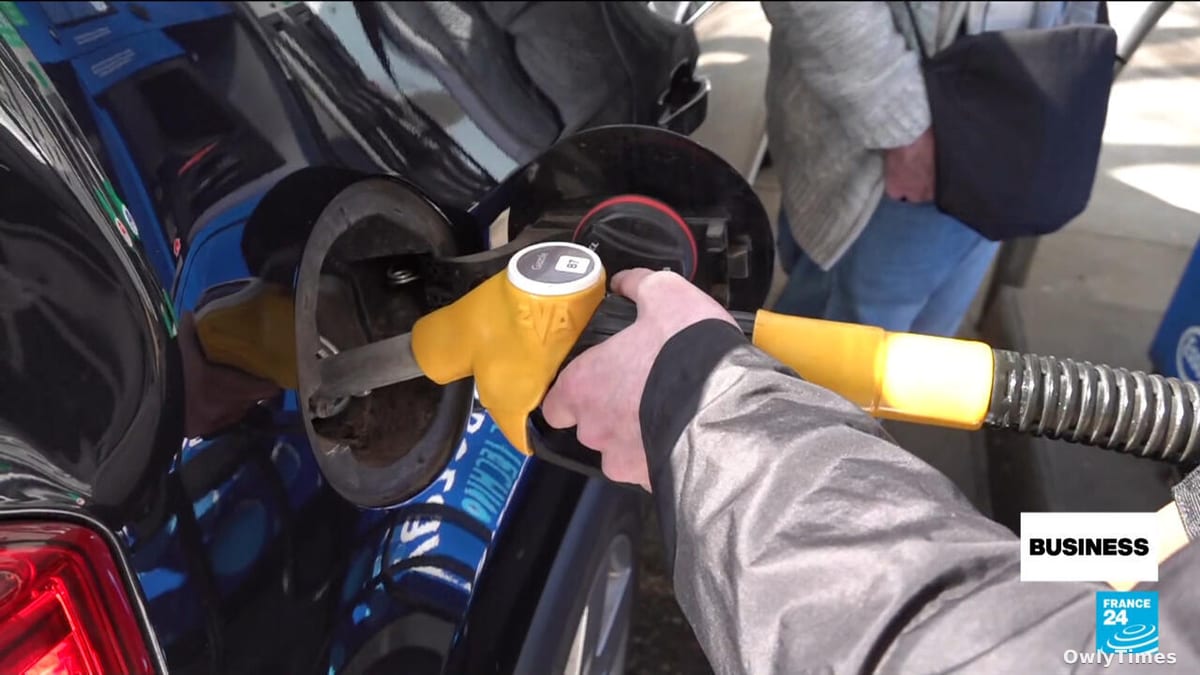
While the immediate shockwave centered on oil prices, France’s consideration of increased refining capacity offers a more nuanced, long-term response to potential energy insecurity. The government is explicitly avoiding fuel tax cuts, a politically sensitive move that would erode tax revenue, instead focusing on bolstering domestic refining capabilities. This is a strategic decision. Increasing refining capacity doesn’t directly lower prices for consumers today, but it reduces reliance on imported refined products – and the associated price volatility – in the future. France currently imports approximately 40% of its refined petroleum products, according to data from the French Ministry of Energy Transition. Expanding domestic capacity by even 10% would significantly reduce that dependence, shielding consumers from future price spikes driven by external factors. This contrasts sharply with the short-term fixes often favored by other European nations, like temporary tax reductions.
Wall Street’s Rally: Beyond Oil
The rally on Wall Street wasn’t solely a consequence of falling oil prices. A 1.8% increase in the S&P 500, while substantial, was also fueled by a reassessment of the Federal Reserve’s monetary policy outlook. The reduced geopolitical risk diminished the need for a hawkish stance on interest rates, as inflation expectations moderated. The 10-year Treasury yield fell 8 basis points, indicating investor confidence in a more dovish Fed. However, it’s crucial to note that the technology sector, which had been leading the market’s gains, experienced only modest increases. This suggests the rally was broader-based, driven by relief across multiple sectors, rather than a continuation of the tech-led momentum. The financial sector, particularly energy stocks, saw the most significant gains, reflecting the direct impact of the oil price decline.
What This Means for Your Wallet
The immediate impact for consumers is lower gasoline prices, but the extent of that benefit will depend on regional factors and retail pricing strategies. Expect a lag of several weeks before the full $8.50/barrel decline is reflected at the pump. More importantly, France’s move to increase refining capacity signals a potential shift in energy policy towards greater self-sufficiency, which could translate to more stable – though not necessarily cheaper – fuel prices in the long run. The key question now is whether Trump’s “constructive talks” materialize into genuine diplomatic progress, or if this is merely a temporary reprieve. Investors should watch for any concrete evidence of negotiations, and consumers should prepare for continued volatility if the geopolitical situation deteriorates again. Will the market prioritize short-term price relief or long-term supply security? The answer will dictate the trajectory of both oil prices and the global economy.