
The current strategic calculus within the White House relies on the luxury of time, shifting the burden of urgency entirely onto Tehran. By indefinitely extending the ceasefire with Iran, President Donald Trump has effectively frozen the diplomatic clock, forcing a stalemate that favors the party currently exerting the most external pressure. This move suggests a belief that the longer the status quo persists, the more the internal stability of the Iranian regime will erode, ultimately forcing a more favorable negotiating position.
Leveraging the Naval Blockade for Diplomatic Gain
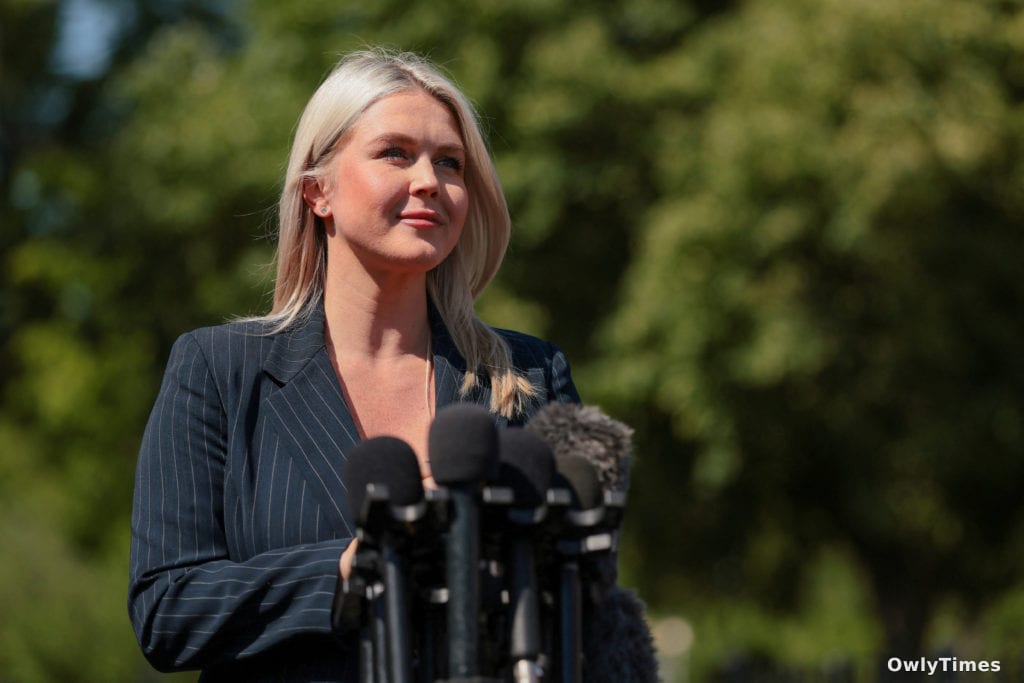
The administration’s decision to maintain the current naval blockade serves as the primary mechanism for this leverage. White House press secretary Karoline Leavitt noted on Wednesday that the President remains satisfied with the efficacy of this naval operation. By coupling an open-ended ceasefire with a concrete, ongoing maritime containment strategy, the administration is squeezing Iran’s economic capacity without the immediate political costs of an escalation in kinetic conflict.
In this power dynamic, the beneficiaries are clear: the U.S. administration gains the ability to dictate the pace of engagement while minimizing the risk of a military entanglement that could derail domestic policy goals. The losers are the Iranian leadership, who are left to manage the domestic consequences of a blockade while the promised peace talks remain indefinitely on hold. The situation mirrors the historical use of "waiting out" adversaries during the 2008 financial crisis, where market authorities allowed the pressure of the environment to force private entities into compliance rather than intervening directly.
The Shift in Negotiating Leverage
When Leavitt stated, "He is satisfied with the naval blockade and he understands that Iran is in a very weak position and the cards are in President Trump's hands right now," she signaled a clear rejection of traditional diplomatic timetables. This assertion highlights a significant tension: while international observers may view a stalled peace process as a failure of policy, the White House interprets the pause as a functional success. The administration is betting that the Iranian government’s "weak position" will eventually manifest as a desperate need to return to the table, regardless of the lack of a formal deadline.
This strategy intentionally avoids the trap of setting public expectations for a breakthrough. By refusing to establish a timeline, the administration prevents itself from appearing weak if talks fail to materialize or if the Iranians refuse to offer a proposal. As Leavitt emphasized, "Ultimately, the timeline would be dictated by the commander in chief and the president of the United States." This consolidation of authority ensures that the administration maintains total control over the narrative of the conflict, insulating the President from external political pressure to accelerate or alter the current course.
Monitoring the Fragility of the Ceasefire
The immediate focus for observers is the sustainability of the ceasefire itself. With the peace talks currently stalled, the primary variable to watch is the continued enforcement of the naval blockade. The next reading of the blockade's operational status and the potential for a renewed, formal proposal from the Iranian side will show whether the administration's "wait-and-see" approach is producing actual diplomatic movement or merely prolonging a high-stakes standoff. As of Wednesday, no deadline exists, meaning the administration will continue to allow the economic weight of the blockade to dictate the necessity of any future Iranian concession.





