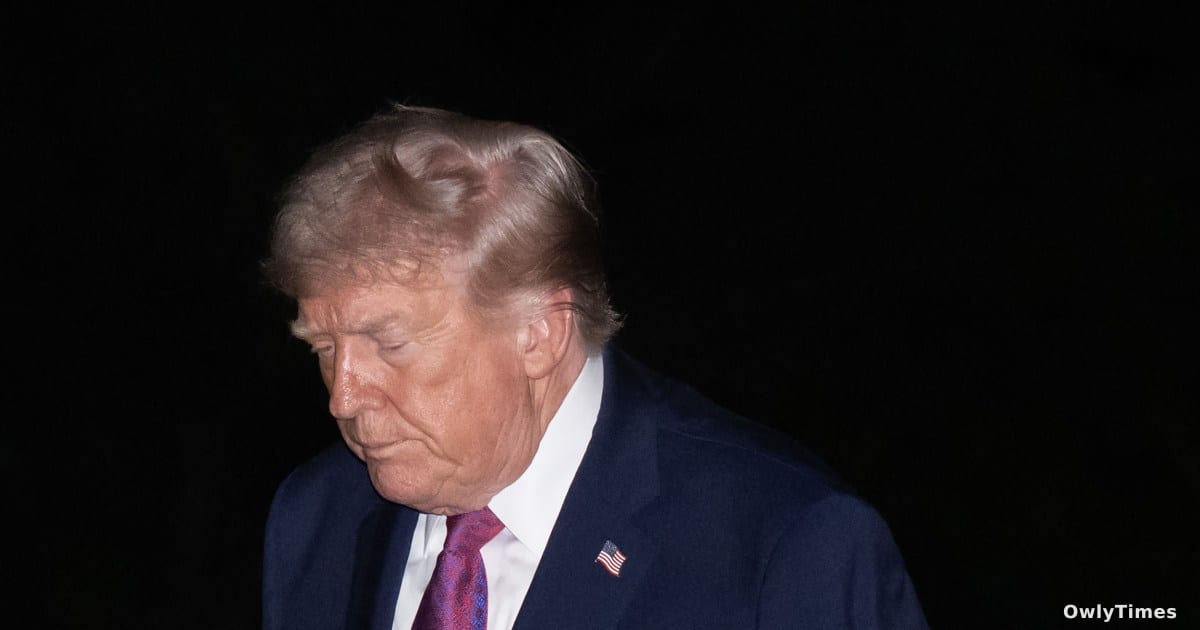

The strategic calculus behind Donald Trump’s rapid pivot from declaring a “brilliant” victory to threatening the total destruction of Iranian infrastructure is rooted in a domestic demand for immediate, high-impact results. By framing the conflict in binary terms—either a swift, total capitulation by Tehran or a return to devastating kinetic force—the president attempts to convert the complex, grinding realities of the war into a manageable narrative of personal leverage. This approach prioritizes the perception of decisive action over the diplomatic incrementalism usually required to de-escalate regional power struggles.
The Cost of Premature Narrative Control
The central tension here lies in the disconnect between the White House’s public optimism and the tactical ground reality. When the Wall Street Journal editorial board cautioned against a “premature” victory lap two weeks ago, the president rejected the premise, arguing on social media that “there’s nothing ‘premature’ about it!” This insistence on a predetermined outcome creates a volatility trap: once a leader stakes their credibility on a "swimmingly" successful military campaign, any subsequent setback, such as the Saturday closure of the Strait of Hormuz, is not merely a strategic obstacle but a direct affront to the president’s stated authority.
Who benefits and who loses in this cycle of escalating rhetoric? The administration benefits temporarily from market fluctuations, as oil prices declined when the public was led to believe a deal was imminent. However, the loss of credibility is profound. When the president tells CBS News that Tehran has “agreed to everything” only to see Iranian forces fire on Indian-flagged ships, the diplomatic space for actual negotiation narrows. The United States forces that seized an Iranian cargo ship in the Arabian Sea are now operating in a theater where the president has promised total victory, yet the adversary remains capable of defying the blockade.
The Escalation Ladder and Political Risks
Historical precedents for such brinkmanship suggest that public ultimatums often corner both the aggressor and the target. By threatening on Fox News to hit Iran “harder than any country has ever been hit before,” Trump is betting that the threat of overwhelming force will act as a psychological catalyst for a deal. Yet, his Sunday morning declaration regarding the targeting of Iran’s power plants and bridges—actions widely recognized as war crimes—shifts the conflict from a traditional military engagement to an existential crisis. This creates a high-stakes environment where any failure to secure a deal is framed by the president himself as a requirement to resume dropping bombs.
The internal power dynamics of the administration also bear watching as the situation shifts toward a second round of talks in Pakistan. The evolving role of Vice President JD Vance, who was initially excluded but is now scheduled to attend, suggests an attempt to bolster the delegation’s political weight. However, as Iranian officials express growing skepticism about returning to the negotiating table, the utility of this delegation remains in doubt.
The next reading of the status of the Strait of Hormuz, following the president's claim that Iran had “agreed to never close” it, will indicate whether the current strategy of alternating between "fair and reasonable" deals and threats of infrastructure destruction has any remaining efficacy. If the Strait remains closed, the discrepancy between the president’s rhetoric and the reality on the ground will force a choice between a de-escalation that acknowledges the failure of the "victory" narrative or a massive, unpredictable expansion of the conflict.