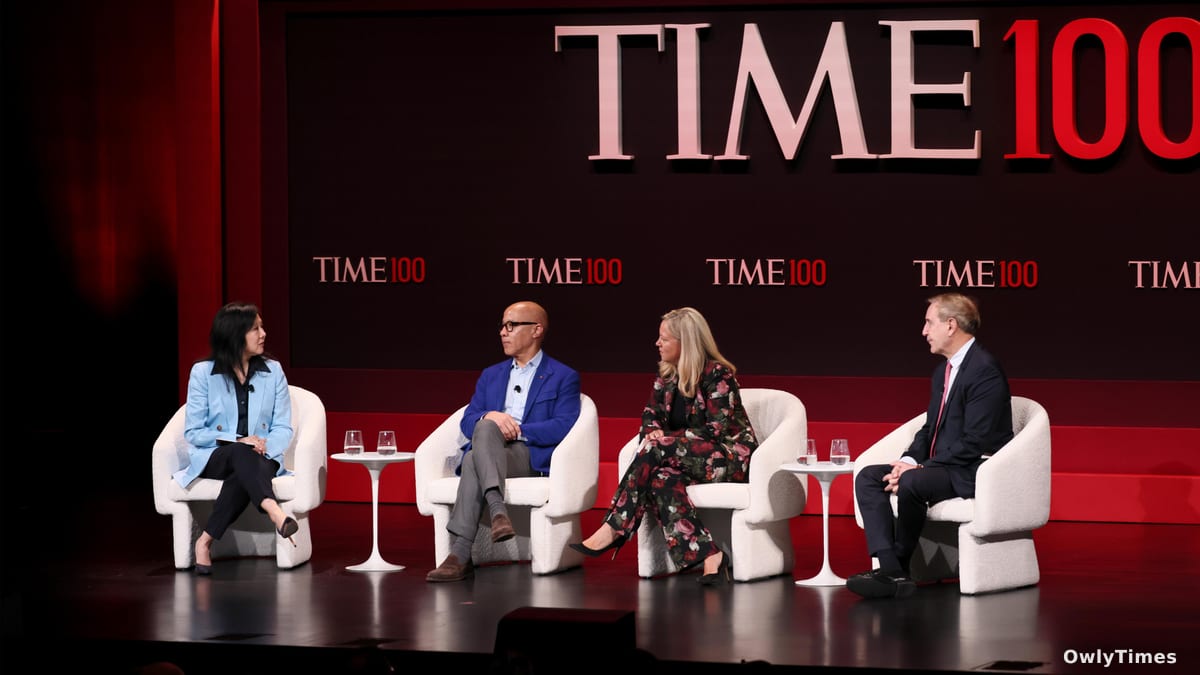

The 2026 Edelman Trust Barometer confirms a stark reality for the corporate sector: employers are now the only institution that a majority of the global public views as both competent and ethical. Having tracked global sentiment since 2001, the firm’s latest data suggests that while trust in government and media continues to erode, the workplace has become the final frontier for institutional credibility. This elevation of the corporation to a societal anchor places a disproportionate weight on leadership, shifting the executive mandate from simple profit generation to the active stewardship of social stability.
The Performance Trap of Corporate Activism
Follow the money and the messaging, and a clear tension emerges between corporate rhetoric and tangible impact. Darren Walker, former president of the Ford Foundation, argues that many leaders have relied on sanitized talking points provided by communications teams rather than genuine engagement. This disconnect was particularly visible in the period following the murder of George Floyd, where many firms issued public statements only to retreat when political headwinds intensified.
This performative cycle faces scrutiny in light of recent events in Minnesota. In January, over 60 CEOs—including leadership from Target, Best Buy, and 3M—signed an open letter calling for the "immediate deescalation of tensions" following the killing of Alex Pretti by federal immigration agents. While the gesture represented a rare coalition of corporate power, critics dismissed the move as narrow and belated. By failing to name Immigration and Customs Enforcement, Pretti, or Renee Good, the other U.S. citizen killed by federal agents during that window, these firms demonstrated the limitations of "safe" advocacy.
Addressing the Widening Wealth Gap
The data highlights a "mass class divide" that is currently at its widest point in decades. This chasm, fueled by diverging economic outcomes for high and low earners, threatens to destabilize the very trust that firms have worked to cultivate. Walker suggests that the elite tier of society—the very leaders filling rooms like the 2026 TIME100 Summit—must move beyond the rhetoric of "giving back" to the harder reality of "giving up." This includes re-evaluating support for policies that prioritize tax breaks at the expense of affordable housing and accessible higher education for younger generations.
Miller, an advisor to some of New York’s wealthiest families, warns that the rapid deployment of artificial intelligence could exacerbate this inequality if left to run unchecked by market forces. She advocates for a collaborative approach between the public and private sectors to manage the inevitable displacement of workers. Without intentional intervention, the efficiency gains promised by AI may come at the cost of the social contract.
Localized Action as the Only Currency
Building trust in an era of skepticism requires moving away from the abstract and toward the local. Miller points to JPMorganChase’s "American Dream" initiative as a template for this transition. By embedding financial education, small-business support, and physical branches into underserved communities—from past projects in Detroit and Harlem to upcoming expansions in Alabama—the firm operates on the principle that trust is built one relationship at a time.
For the average investor or consumer, the takeaway is clear: look past the press releases. In a climate where "truth" is increasingly filtered through identity, the most reliable signal of a company's integrity is not its marketing, but its long-term physical and financial footprint in the communities it claims to serve. The upcoming measurement of whether these corporate initiatives translate into sustained local economic growth will determine if this newfound trust in business is a permanent shift or merely a temporary reprieve.





