
Is the price of national security really worth a few missed mortgage payments? As 50,000 Transportation Security Administration officers face their second paycheck delay amidst the ongoing Department of Homeland Security funding battle, the narrative isn’t about political brinkmanship – it’s about a fundamental failure to value the people tasked with keeping us safe. We’re fixated on border security theatrics and congressional posturing while the very individuals screening passengers are struggling to afford rent, let alone respond to escalating global threats like the current conflict with Iran.
The Recurring Nightmare of Unpaid Screeners
This isn’t a new problem. Representative Debbie Dingell (D-Mich.) is dusting off a bill she first proposed during the 2018-2019 government shutdown, a shutdown eerily similar to the current one. Back then, “hundreds of TSA officers called out sick or resigned after going weeks without pay, resulting in long security lines, missed flights and temporary terminal closures at major airports,” Dingell recalls. The proposed solution – redirecting funds from President Trump’s “One Big Ugly Bill” – feels less like a fix and more like a band-aid on a gaping wound. It addresses the symptom, not the disease. The real story here isn't about finding spare change in the budget – it's about the systemic undervaluing of essential security personnel.
Drawn from the Los Angeles Times.
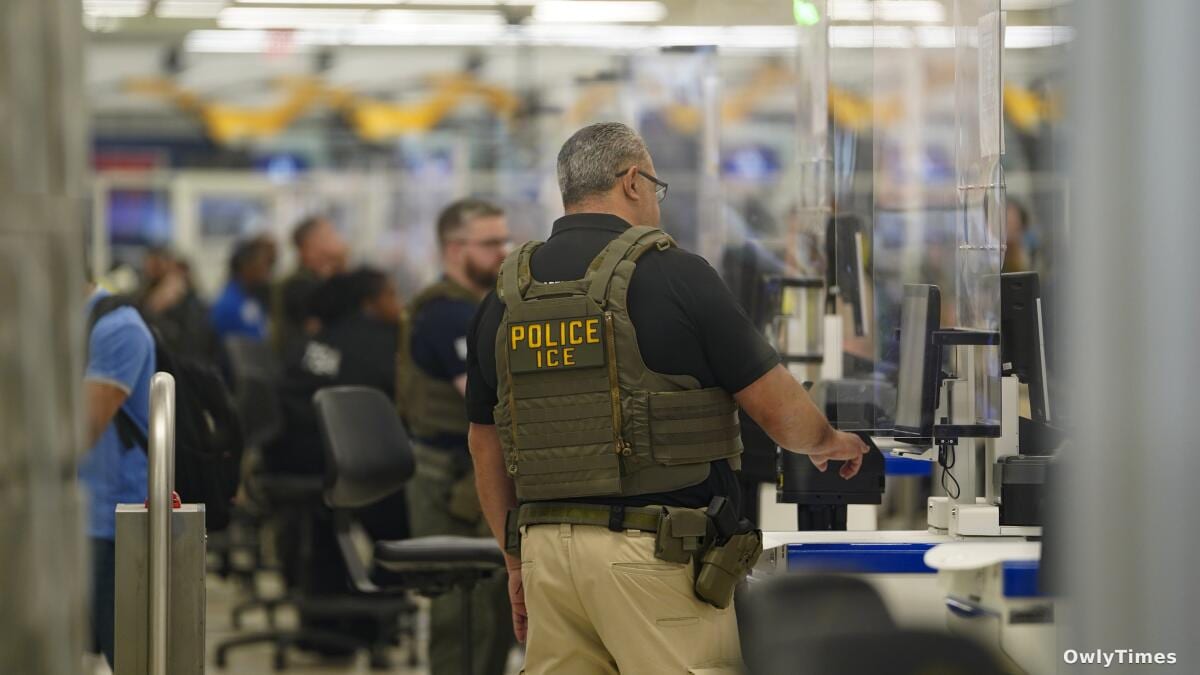
The optics are particularly grim given recent history. Images of federal immigration officers using excessive force, coupled with the outrage following killings in Minneapolis, already eroded public trust in federal agencies. The White House responded with leadership changes – removing the head of Homeland Security and reassigning the Border Patrol commander – but these moves feel reactive, addressing public perception rather than underlying issues. Meanwhile, the TSA, an agency born from the trauma of 9/11 and created in a mere two months, is once again being used as a political football. It was established to reduce fear, not become a source of it.
Poverty Wages in a High-Stakes Job
Dingell’s bill, while well-intentioned, misses the mark. It simply allows TSA officers to return to a precarious paycheck-to-paycheck existence, regardless of Washington’s dysfunction. A more meaningful response would be a guaranteed base salary increase, acknowledging the critical nature of their work and the rising cost of living. The current base salary of $35,000 might have seemed reasonable in the 1960s, when food was the dominant household expense. But today, in Dingell’s own district in Michigan, a one-bedroom apartment can easily exceed $1,500 a month – more than half of an agent’s take-home pay. Using modern poverty metrics that account for housing, healthcare, and utilities, a $35,000 salary is, by the government’s own calculations, near poverty.
This isn’t about agents making a political statement by quitting; it’s about basic economic survival. They can’t afford to wait for Congress to resolve its squabbles. We’ve moved from a world where airport security was handled by high-turnover private contractors to a nationalized system precisely because we recognized the need for dedicated, reliable personnel. Yet, we’re now treating those personnel as expendable, willing to ask them to work without pay and then pat them on the back for their “service.”
The Illusion of Security on a Budget
The irony is thick. Elected officials on both sides of the aisle are urging Americans to thank TSA agents for working without pay. But what are we truly thanking them for? For enduring financial hardship while safeguarding our skies? For accepting a level of economic insecurity that would be unacceptable in almost any other critical infrastructure role? We’re essentially asking them to subsidize national security with their own livelihoods. This isn’t just a matter of fairness; it’s a matter of strategic vulnerability.
Absentmindedly neglecting airport security labor left us exposed before 9/11. Intentionally doing so now, in a world facing increasingly complex threats, is simply reckless. The current situation isn’t a glitch in the system; it’s a predictable consequence of prioritizing political gamesmanship over the well-being of those who protect us.
Here’s what to watch for: In the next six months, expect to see a significant increase in TSA employee turnover, even after this funding crisis is resolved. The damage to morale and the realization that their service isn’t adequately valued will drive qualified personnel to seek more stable employment. And the next time Congress finds itself at an impasse, we’ll be back in the same situation, only with even longer lines and a significantly weakened security apparatus. The question isn’t if this will happen again, but when – and how much risk we’re willing to accept in the meantime.





