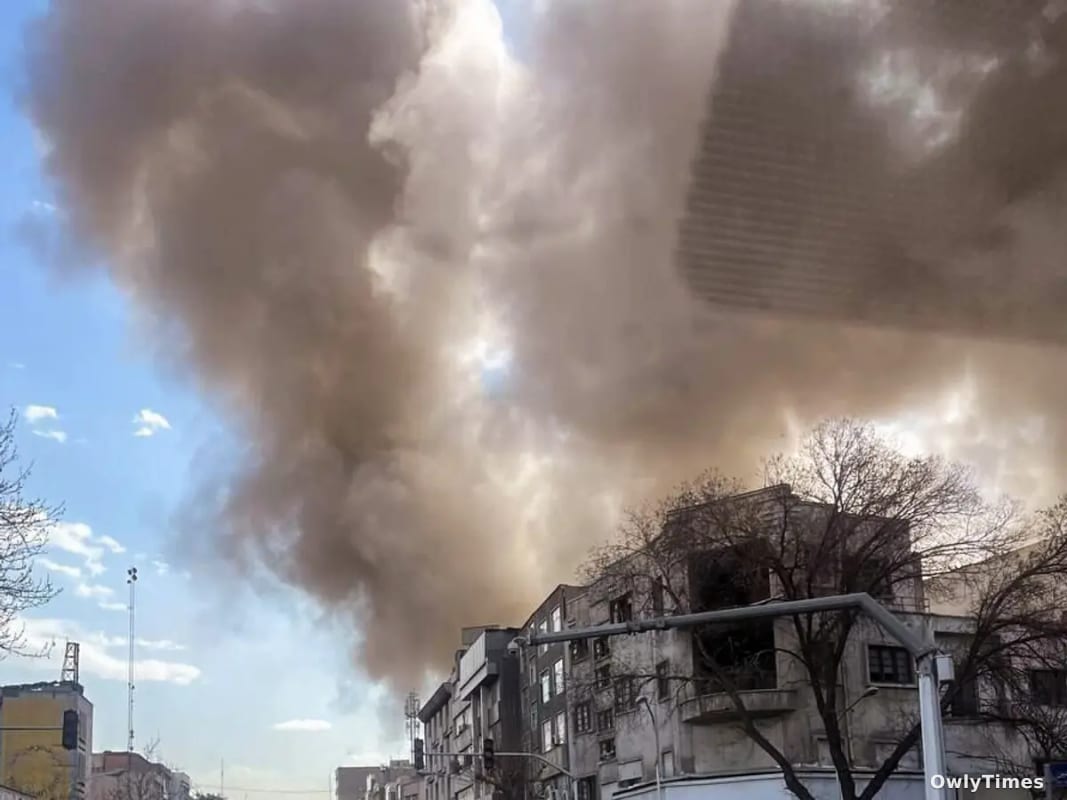

The immediate grounding of flights by IndiGo and Air India to West Asia isn’t simply a reaction to escalating hostilities between Israel and Iran; it’s a calculated risk mitigation strategy reflecting a broader geopolitical realignment where commercial interests are increasingly subordinate to perceived security threats. The cancellations, announced swiftly following joint US-Israeli strikes – dubbed Operation Roaring Lion and Operation Epic Fury respectively – and subsequent Iranian retaliatory attacks, reveal a willingness to accept significant economic disruption to avoid potential entanglement in a rapidly escalating conflict. This isn’t about passenger convenience; it’s about limiting exposure and signaling alignment with Western security assessments.
The Calculus of Airspace Closure
The decision to suspend flights, impacting routes crucial for Indian connectivity to Europe and North America, wasn’t taken lightly. Air India’s statement on X, emphasizing “the highest standards of safety for our passengers and crew,” is standard boilerplate, but the speed of the response is telling. Prior to the cancellations, West Asia was already experiencing a surge in military activity, with airspace closures rippling across the region following the Saturday strikes targeting over 30 sites in Iran, including government buildings in Tehran and suspected nuclear facilities. The partial closure of Emirati airspace, coupled with similar actions by Air France, Lufthansa, and Wizz Air, demonstrates a coordinated assessment of risk that transcends individual airline policies. This isn’t a spontaneous reaction to headlines; it’s a pre-planned contingency activated by intelligence indicating a high probability of escalation.
This article draws on reporting from wionews.com.
Echoes of 2025: A Pattern of Limited Strikes and Rebuilding
The current situation bears a striking resemblance to the events of June 2025, as detailed in US intelligence reports, when Israel and the US launched Operation Midnight Hammer against Iranian nuclear facilities. That operation, utilizing 30,000-pound “bunker buster” bombs, inflicted significant damage but ultimately failed to achieve complete destruction. Crucially, intelligence revealed Iran secretly rebuilt portions of those sites within eight months. This historical precedent informs the current calculus: limited strikes, while demonstrating resolve, are unlikely to fundamentally alter Iran’s capabilities. The current strikes, like those in 2025, appear designed to signal red lines and deter further escalation, rather than achieve a decisive military outcome. Who benefits and who loses here? Israel and the US gain a short-term demonstration of force, while Iran maintains its core infrastructure and narrative of resistance. Indian carriers, and by extension India’s economic interests, lose immediate revenue and connectivity, but avoid the potentially catastrophic consequences of operating in a war zone.
Beyond Direct Conflict: Regional Spillover and Proxy Warfare
The reported explosions near US army bases in Bahrain and the UAE underscore the risk of regional spillover. These incidents, while not directly attributable to Iran at this moment, highlight the potential for escalation through proxy networks. The US and Israel’s demands during recent, failed negotiations – encompassing not only nuclear curbs but also the dismantling of Iran’s ballistic missile program and a halt to regional proxy funding – reveal the core strategic objective: to constrain Iran’s influence across the Middle East. However, this objective is inherently destabilizing, as it directly challenges Iran’s established regional alliances and security interests. The failed negotiations, preceded by a US-imposed 10-day deadline for a “zero-enrichment” nuclear framework, demonstrate a lack of diplomatic flexibility that likely contributed to the current crisis. Iran’s consistent denial of nuclear weapons ambitions, while met with skepticism in Washington, underscores the fundamental disagreement over the nature of Iran’s nuclear program.
The Next Move: Monitoring Iranian Response and US Red Lines
The immediate political chess move to watch isn’t another military strike, but rather the nature and scale of Iran’s response to the initial attacks. While the IDF reports retaliatory missile attacks are underway, the critical question is whether these attacks will remain limited in scope and target, or escalate to involve direct attacks on US assets or a broader regional offensive. Simultaneously, the US’s articulation of “red lines” – specifically, what actions by Iran would trigger a more forceful response – will be crucial. The Biden administration’s willingness to tolerate limited Iranian retaliation, versus a more robust intervention, will define the trajectory of this crisis. The cancellation of flights by Indian carriers is a symptom of this larger strategic uncertainty, and a clear indication that New Delhi is preparing for a prolonged period of instability in the region.