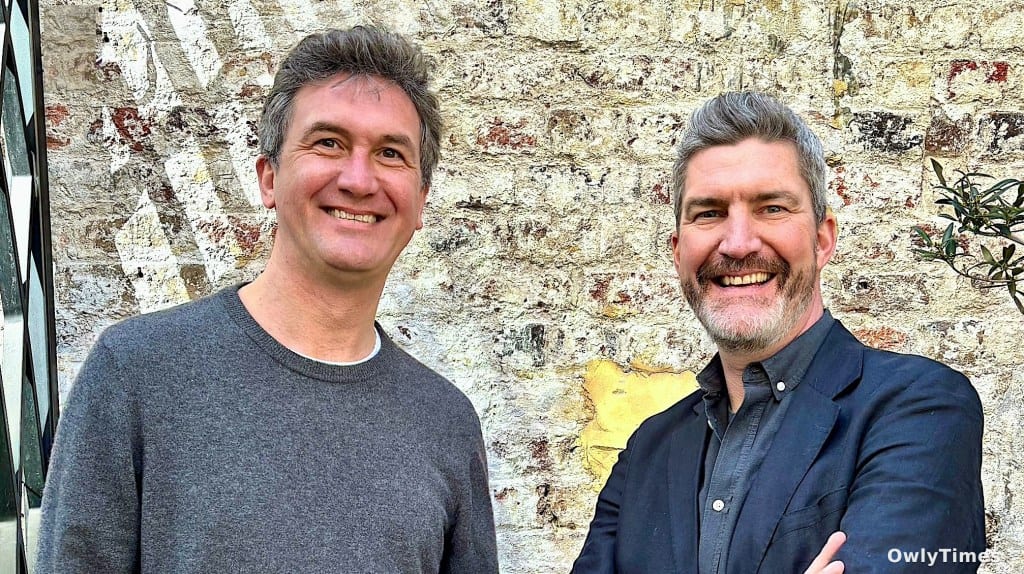

The scent of lavender and diesel hung in the air outside the Hôtel Barrière Le Fouquet’s Paris last spring, a strange mix mirroring the mood within the television industry. Deals were collapsing, streamers were recalibrating, and the once-unstoppable momentum of prestige television felt…stuck. It was against this backdrop that Richard Tulk-Hart quietly launched Volteo Media, a venture that’s now undergoing a significant evolution with the arrival of James Durie and a rebranding as High Road Entertainment. This isn’t just another consultancy launch; it’s a direct response to a fundamental shift in how television gets made – and who ultimately controls the narrative.
Navigating the Post-Peak TV Landscape
The announcement of High Road Entertainment, a co-production and sales consultancy, arrives at a particularly fraught moment. After a decade of explosive growth fueled by the streaming wars, the industry is facing a harsh reckoning. Subscriber numbers are plateauing, budgets are being slashed, and the era of “throwing money at the wall” to see what sticks is definitively over. The $77 billion spent globally on original content in 2022, a figure that sent shockwaves through Hollywood, is now viewed with a degree of embarrassment. High Road’s core proposition – advising producers on financing and distribution, and developing its own slate of dramas – isn’t about chasing the next binge-worthy hit, but about ensuring projects can actually reach the screen in this new, more cautious climate. Tulk-Hart and Durie aren’t promising to find the next Squid Game; they’re promising to navigate the increasingly complex pathways to production.
This piece references the deadline.com report.
From Miramax to the High Road: A Partnership Forged in Crisis
The partnership itself is rooted in a shared history and a proven track record. Both Tulk-Hart and Durie cut their teeth at Miramax, a studio known for its disruptive energy and willingness to take risks. Tulk-Hart later ascended to CEO of Buccaneer, a UK-based production company, while Durie became Head of Scripted at Cineflix. Their paths continued to cross on projects like So Long, Marianne, The Doll Factory, and Whitstable Pearl, building a collaborative understanding of the European drama market. This isn’t a pairing of convenience, but a strategic alliance built on years of shared experience – and, crucially, a shared understanding of the challenges facing independent producers. Their combined executive producer credits, spanning shows like Sunny Nights, The Walsh Sisters, and Marcella, demonstrate a breadth of experience that extends beyond high-concept thrillers to encompass character-driven dramas and comedies.
Beyond the Headlines: The Rise of the “Flexible Dynamic Approach”
What sets High Road apart isn’t simply its expertise, but its stated philosophy. As Tulk-Hart and Durie put it in a joint statement, “In this fractured market it really feels like there is space for a flexible dynamic approach to getting shows from IP to screen.” This “flexible dynamic approach” is industry-speak for acknowledging that the old models are broken. The days of a single streamer greenlighting an entire season are largely gone. Instead, producers are increasingly forced to cobble together financing from multiple sources – pre-sales, tax credits, co-productions – a process that requires specialized knowledge and a deep network of contacts. High Road aims to be that connective tissue, “joining the dots” and ensuring that projects aren’t lost in the labyrinthine world of international television finance. They’re already working on projects like the Greek-set crime series Antiparos with Tanweer Productions and Connor Swindells’ comedy drama Shinjuku Sugar Fox with Just John Films, signaling an immediate commitment to diverse and internationally-focused content.
What’s Next for Independent Drama?
The launch of High Road Entertainment isn’t just a business story; it’s a symptom of a larger cultural shift. The democratization of content creation, once hailed as a revolutionary force, has given way to a period of consolidation and uncertainty. The streamers, initially disruptors, are now behaving more like traditional studios, prioritizing profitability over artistic ambition. This creates an opportunity for nimble, independent players like High Road to fill the void, offering producers a lifeline in a turbulent market. As Tulk-Hart and Durie prepare to showcase a new show at Series Mania next week, the industry will be watching closely. The question isn’t just what show they’ll be presenting, but whether High Road can truly deliver on its promise of navigating the “difficult period” and ensuring that compelling stories continue to find their audience – and, crucially, their funding. Will this consultancy become a vital bridge for independent creators, or will it be another casualty of the post-peak TV era? The answer will likely define the future of European drama for years to come.