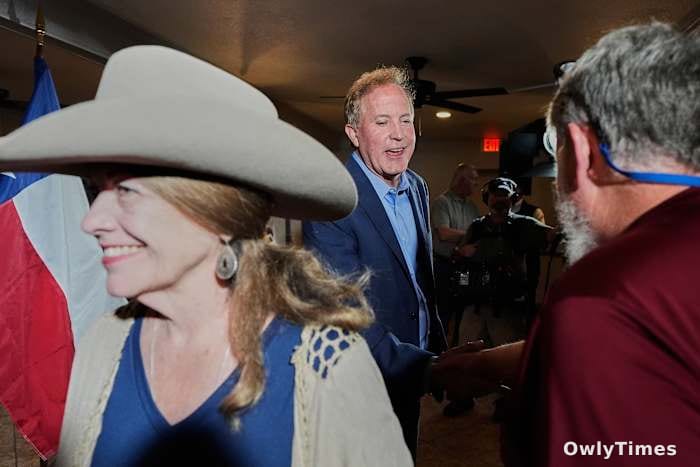

The strategic calculation driving the flurry of activity in Texas primaries isn’t about choosing candidates; it’s about battlefield positioning for a November showdown that could redefine the national political map. With the 2026 midterm season kicking off with crucial Senate primaries in Texas, North Carolina, and Arkansas, the underlying question isn’t simply who will win, but how those victories – or defeats – will impact President Trump’s ability to maintain, or expand, his influence in the final two years of his term. The timing, coinciding with a newly escalated military campaign against Iran, adds a volatile foreign policy dimension to races previously focused on domestic concerns, forcing candidates to navigate a shifting landscape of voter priorities.
The Republican Senate primary in Texas is the immediate pressure point. Washington Republicans openly fear that a victory by Ken Paxton, the state’s Attorney General, over four-term incumbent John Cornyn, would hand Democrats a significant opportunity to flip the seat. This isn’t a matter of ideological purity; it’s a cold assessment of electability. Paxton’s “well-documented personal baggage” – a veiled reference to ongoing legal issues – presents a vulnerability Democrats would aggressively exploit. The party has already poured over $100 million into the nomination fight, the most expensive primary in state history, demonstrating the high stakes involved. The calculus is simple: protecting an open seat is far cheaper than attempting to salvage a nomination from a candidate perceived as deeply flawed. Wesley Hunt, the third contender, represents a calculated attempt to offer a less controversial alternative, but currently lags behind in polling. Who benefits and who loses here is clear: a Cornyn or Hunt victory preserves Republican resources and strengthens their position in November, while a Paxton win forces a costly defensive battle.
See the original wsls.com story for the full account.
This dynamic echoes historical precedents. Consider the 1994 midterm elections, where Republican gains were hampered by controversial candidates nominated in several key races. The lesson learned – prioritizing electability over ideological alignment – is now being tested in Texas. The parallel isn’t perfect, as the current political climate is far more polarized, but the underlying principle remains: a weak nominee can squander a favorable political environment. The fact that Chris LaCivita, Trump’s former campaign chief, is on Cornyn’s payroll underscores the establishment’s concern and their willingness to invest heavily in preventing a Paxton nomination.
On the Democratic side, the choice between Jasmine Crockett and James Talarico reveals a different kind of strategic debate. Crockett, a vocal critic of Trump and a master of confrontational politics, is backed by Vice President Kamala Harris, signaling a preference for a fighter who can energize the base. Her campaign messaging – “Crockett fights for us” – is a direct appeal to voters seeking a strong counterweight to the Republican agenda. Talarico, however, presents a more nuanced approach, blending progressive policies with a focus on “timeless values” and a background in divinity. Privately, Republicans reportedly fear Talarico more, recognizing his potential to appeal to moderate voters and bridge ideological divides. This internal Democratic tension reflects a broader question facing the party: do they prioritize mobilizing their base with fiery rhetoric, or attempt to broaden their appeal with a more conciliatory message? The choice reveals a fundamental disagreement about the path to victory in a state that has consistently eluded Democratic grasp since 1988.
The timing of the U.S. military campaign against Iran introduces a wildcard. While foreign policy rarely dominates U.S. elections, the ongoing conflict – with at least six U.S. soldiers killed and the president predicting more casualties – could shift voter attention and potentially benefit candidates who project strength and resolve. The Republican candidates have largely aligned themselves with Trump’s “America First” movement, but the escalating conflict forces them to address difficult questions about the costs and consequences of interventionism. This is particularly relevant in Texas, a state with a significant military population.
Beyond Texas, the North Carolina Senate race is equally critical. The retirement of Senator Thom Tillis has opened the door for a potential Democratic pickup, and the six-person Democratic field is led by former Governor Roy Cooper. The Republican side features Michael Whatley, backed by Trump, suggesting a continuation of the current political trajectory. The dynamics in North Carolina, while less dramatic than the Texas intra-party battle, could ultimately prove decisive in determining control of the Senate.
The political chess move to watch next isn’t the outcome of Tuesday’s primaries themselves, but Trump’s response. Will he endorse a candidate in either Texas or North Carolina? And, crucially, will that endorsement be based on electability or loyalty? His decision will signal whether he prioritizes winning in November, or consolidating his power within the Republican party, even at the risk of losing winnable seats. The answer will reveal the true strategic calculus at play, and set the stage for the final act of the 2026 midterm season.





