
Two Hours and a Stolen Trailer: The Coldwater Copper Theft Signals a Broader Industrial Risk
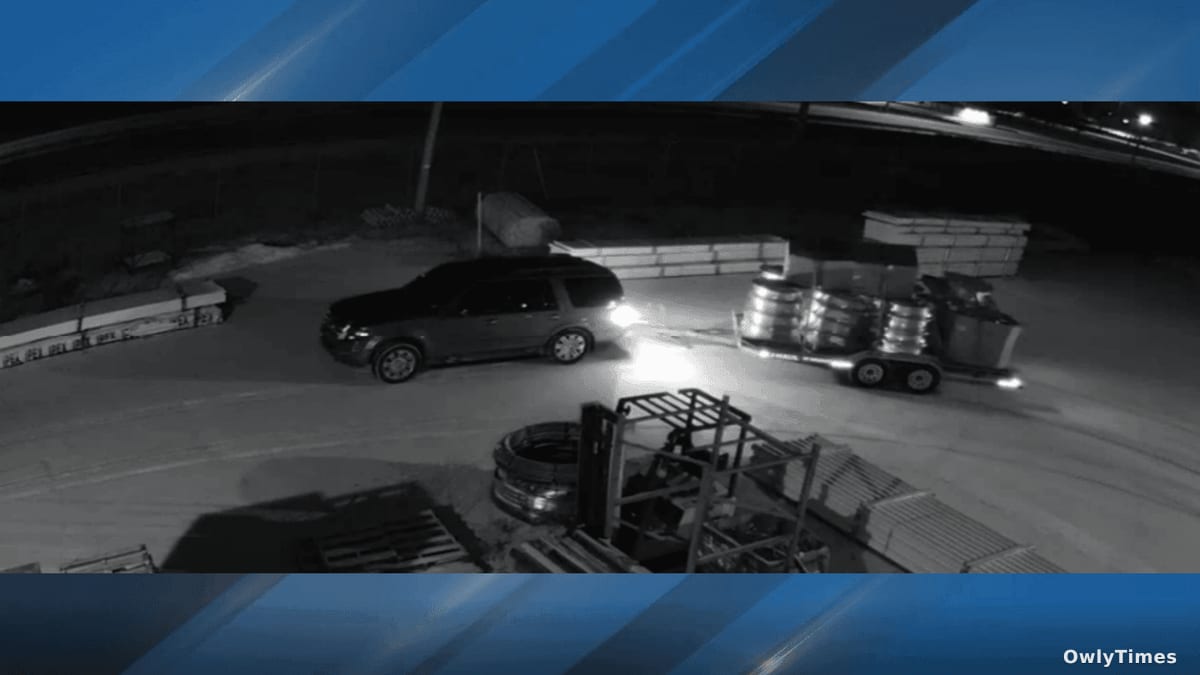
$2.80 per pound. That’s the current average national price for copper as of February 23, 2026, a figure that’s quietly fueling a surge in industrial theft across the Midwest, and the break-in at American Copper and Brass in Coldwater, Michigan, is a stark illustration of this trend. While local police are seeking a suspect described as a Black man who spent two hours inside the South Michigan Avenue facility on Saturday night, February 21st, the incident isn’t simply a local crime story; it’s a symptom of escalating commodity prices and the vulnerabilities they expose in the industrial supply chain. The suspect’s brazen use of a stolen U-Haul trailer, coupled with the significant damage to the building, points to a calculated operation, not a crime of opportunity.
Based on the original wwmt.com report.
The Rising Cost of Red Metal: A National Pattern
Copper prices have risen 38% year-over-year, driven by increased demand from renewable energy infrastructure projects – specifically, electric vehicle manufacturing and grid modernization. This surge isn’t limited to Michigan. According to the Institute of Scrap Recycling Industries (ISRI), reported copper thefts nationwide increased by 18% in the last quarter of 2025, with similar incidents reported in Ohio, Indiana, and Wisconsin. The ISRI estimates that these thefts cost businesses and municipalities over $600 million annually, a figure that doesn’t account for the disruption to operations and the cost of repairs, like those now facing American Copper and Brass. The Coldwater incident, involving an estimated haul of copper coils and scrap, likely represents a value of several thousand dollars, but the true cost will be far higher when factoring in the damage and downtime.
Beyond Scrap Value: The U-Haul Connection and Organized Crime
The involvement of a stolen U-Haul trailer is a critical detail often overlooked in initial reporting. While opportunistic thieves might use any available vehicle, the deliberate selection of a rental truck suggests a degree of planning and a need to transport a substantial quantity of material. The Branch County Sheriff's Office investigation into the trailer theft is therefore crucial. This isn’t simply about recovering a rental vehicle; it’s about tracing the network facilitating these thefts. Law enforcement sources, speaking on background, indicate a growing concern about organized crime rings targeting industrial sites for copper and other valuable metals, reselling them through unregulated channels. The two-hour timeframe the suspect spent at American Copper and Brass suggests a methodical approach, potentially involving knowledge of the facility’s layout and security weaknesses.
Coldwater’s Vulnerability: A Microcosm of Manufacturing Risk
Coldwater, and Branch County more broadly, relies heavily on manufacturing, with a significant presence of automotive suppliers and metal fabrication businesses. This makes the region particularly vulnerable to this type of theft. The damage inflicted on American Copper and Brass – a key supplier to regional manufacturers – could create ripple effects throughout the local economy. While the company hasn’t publicly disclosed the extent of the disruption, even a temporary shutdown for repairs can lead to delays in production and increased costs for downstream businesses. Detective Sergeant Sarah Gunneman of the Coldwater Police Department is urging anyone with information to come forward, but proactive security measures are equally vital. Businesses need to reassess their vulnerability to theft, investing in enhanced surveillance, improved lighting, and robust alarm systems.
What This Means for Your Wallet
The escalating price of copper isn’t just impacting businesses; it’s ultimately passed on to consumers. Increased manufacturing costs due to material theft and security upgrades will inevitably translate into higher prices for goods – from automobiles to appliances. More immediately, the theft of copper from utility infrastructure can lead to power outages and disruptions in essential services. The Coldwater incident serves as a warning: expect to see increased security costs factored into the price of goods, and be prepared for potential disruptions as thieves target valuable commodities. The question now is whether law enforcement can effectively disrupt these organized crime rings before the situation escalates further, and whether manufacturers will proactively invest in security to protect their assets and maintain stable supply chains.