
Is the future of work a celebration, or a confrontation? If you asked the University of Central Florida’s 2026 graduating class, you’d get a resounding boo. A recent graduation ceremony, typically a stage for platitudes and hopeful speeches, instead became a surprisingly potent symbol of the deep anxieties bubbling beneath the surface of the AI revolution, as students vocally rejected a speaker’s optimistic vision.
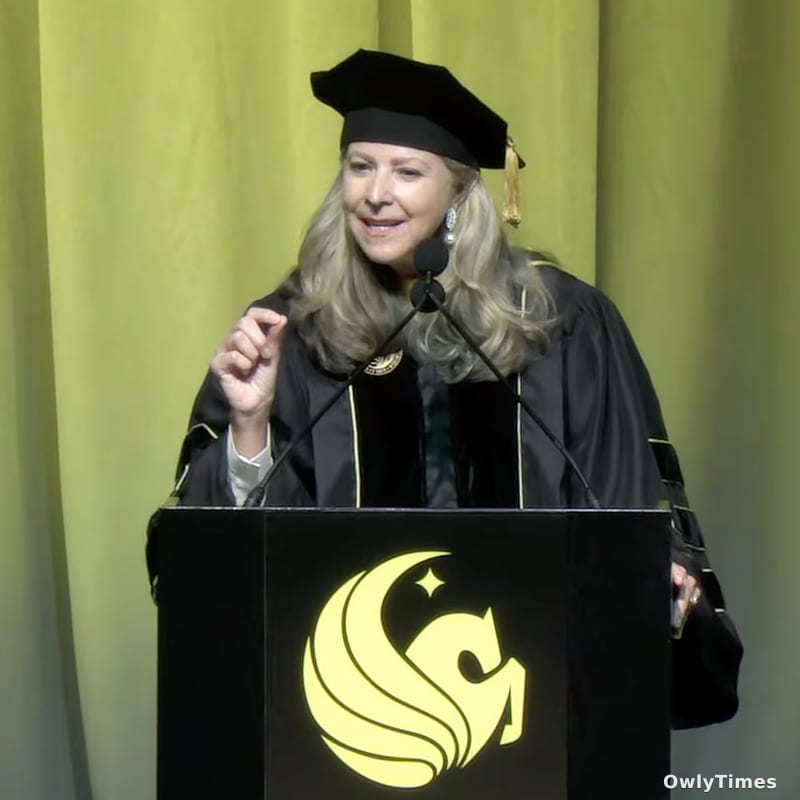
The scene unfolded as Gloria Caulfield, a real estate development executive, took to the podium, delivering standard commencement fare about how “the rise of artificial intelligence is the next Industrial Revolution” and “living in a time of profound change.” But her words, meant to inspire, instead struck a nerve. The crowd's boos were so loud that Caulfield paused, visibly flustered, throwing her hands up in the air and asking, “Woop, what happened?” She managed a nervous laugh and continued, only to be booed again when she reiterated AI’s pervasive capabilities. It wasn't just a few disruptive students; this was a collective, visceral rejection of a narrative that, for many, feels tone-deaf to their immediate fears.
The real story here isn't just about a speaker getting a rude reception — it’s about the widening chasm between Silicon Valley’s relentless push for AI integration and the very real trepidation felt by those entering a workforce reshaped by it. Tech CEOs might laud AI for its efficiency, but for recent graduates, it often translates to job cuts and an uncertain career path. This sentiment isn't anecdotal; a 2025 poll by the Institute of Politics at the Harvard Kennedy School found that a majority of recent college graduates view AI as a threat to their job prospects. This isn't just a niche concern for computer science majors; the impact of AI is sweeping across diverse sectors, affecting everything from graphic design to Hollywood and journalism. The pressure to pick an "AI-proof" major is, students say, at an all-time high.
Caulfield attempted to bridge this gap, drawing a parallel to her own graduation when the internet was taking off, arguing that similar "trepidations and concerns" eventually gave way to a "gamechanger for global economic development and the proliferation of new businesses." But for today’s graduates, this analogy feels less like comfort and more like a historical footnote. The internet, while transformative, didn't immediately threaten to replace entire creative or administrative functions in the way current AI models are perceived to do. The fear isn't just about change, but about displacement at an unprecedented scale. While the University of Central Florida did not immediately respond to a request for comment on the incident, the widespread student anxiety it highlighted is undeniable.
This public display of dissent at UCF is a stark reminder that the narrative around AI cannot be solely dictated by its developers or cheerleaders. As AI capabilities continue to expand, the focus will increasingly shift from "what AI can do" to "what AI should do," and more importantly, "what AI means for human livelihoods." The next reading on whether this anxiety deepens or recedes will come not just from tech earnings reports, but from the ongoing sentiment of those facing the front lines of this technological shift, particularly as new graduating classes enter the job market. This isn't just about technological progress; it's about societal adaptation, and the current mood suggests we're still far from a comfortable equilibrium.
The Guardian report highlighted a stark reality. The Harvard Kennedy School's ongoing research into public opinion on technology will likely continue to reflect these simmering tensions, shaping future policy debates and the very definition of a stable career.