
The Erosion of International Legal Frameworks
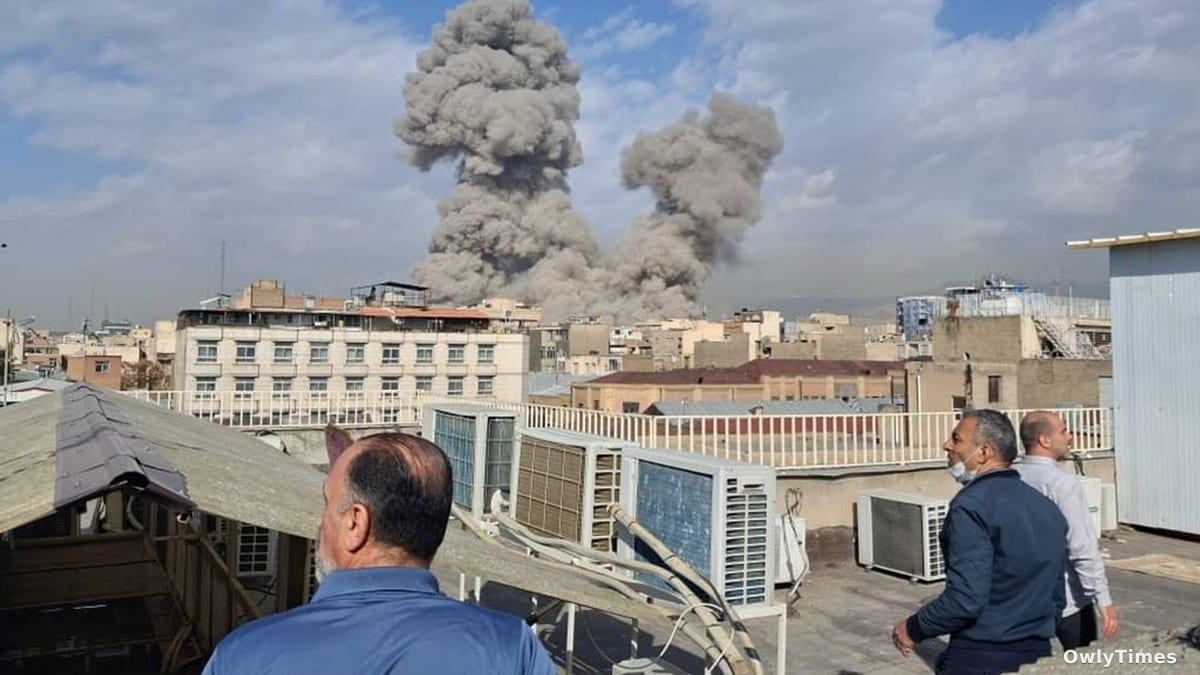
The immediate aftermath of the United States and Israel’s recent attacks on Iran – marked by retaliatory strikes and rising global tensions – is, predictably, dominated by questions of escalation. But beneath the urgent headlines lies a more fundamental shift in the conduct of international relations, one that challenges the very foundations of post-World War II order. The core question isn’t simply what happens next in the Middle East, but whether the established rules governing conflict, and specifically the pretense of upholding international law, are irrevocably breaking down. While initial reports focused on the tactical implications of the strikes, the analysis from political scientists suggests a deeper, more troubling trend: a move away from diplomacy as a first resort and toward the normalization of force.
Source material: wsbt.com.
The concern, as articulated by Asher Kaufman, a professor of History and Peace studies at Notre Dame, isn’t isolated to this specific event. Kaufman points to recent U.S. actions in Venezuela and the ongoing blockade of Cuba as evidence of a pattern. He argues that the justification once used to deter actions like a potential Chinese takeover of Taiwan – rooted in international law and established norms – is being systematically dismantled, first by Russia’s actions in Ukraine and now, arguably, by the United States itself. This isn’t about whether these specific interventions are justified in a moral sense, but about the precedent they set for disregarding the legal frameworks designed to prevent precisely this kind of escalating conflict. The argument isn’t that international law prevents conflict, but that its erosion removes a critical layer of constraint and justification, making further escalations more likely and harder to condemn.
The War Powers Act and Presidential Authority
A central legal question emerging from the attacks centers on whether President Trump overstepped his constitutional authority by initiating military action without explicit congressional approval. Sean Savage, a political science professor at Saint Mary’s College, highlights the ambiguity surrounding the situation. The key distinction, as Savage explains, lies in defining the operation: is it a full-scale declaration of war, requiring a congressional resolution as dictated by the War Powers Act, or is it a more limited “military operation” akin to targeted drone strikes or covert actions – actions previous presidents, including Trump, have undertaken without congressional oversight? This distinction is crucial, as a violation of the War Powers Act would necessitate a formal resolution to address the overreach. However, the administration could attempt to frame the action as falling within the existing scope of presidential authority, effectively sidestepping the need for congressional approval.
This isn’t a new debate; presidents have consistently pushed the boundaries of their war powers. But the scale and directness of the attacks on Iran, coupled with the administration’s initial lack of transparency regarding the justification for the strikes, amplify the concerns. The precedent being set here is whether a president can unilaterally initiate significant military action against a sovereign nation without engaging in the constitutional process of seeking congressional authorization. The implications extend beyond this specific instance, potentially weakening the legislative branch’s role in matters of war and peace.
Domestic Political Pressure and the Need for Justification
Beyond the legal questions, the political calculus facing President Trump is significant. Elizabeth Bennion, a political science professor at Indiana University South Bend, emphasizes the need for the President to proactively address both Congress and the American public. The administration must articulate a compelling rationale for the attacks, demonstrating not only that they were necessary now, but also outlining a clear “exit strategy” – a plan for de-escalation that demonstrably promotes peace rather than perpetuating conflict. This is particularly challenging given Trump’s previous rhetoric promising to avoid “ongoing conflict.”
Bennion’s assessment underscores a critical dynamic: even in an era of declining trust in institutions, presidents still require public and legislative buy-in for sustained military engagement. The administration’s success in navigating this crisis will depend on its ability to frame the attacks as a necessary evil, a limited intervention designed to prevent a greater threat, and to convincingly demonstrate a path toward a peaceful resolution. The retaliatory strikes by Iran, targeting Israel and U.S. bases, further complicate this task, raising the stakes and increasing the pressure on the administration to justify its actions.
Looking Ahead: Monitoring the Shifting Landscape
All three experts agree that it is too early to definitively predict the consequences of these events. However, the underlying trend they identify – the erosion of international norms and the increasing willingness to employ force without adhering to established legal frameworks – warrants close observation. The immediate focus will be on whether Iran continues to escalate its response and how the United States and Israel react. But the longer-term implications are far more profound.
Specifically, we should be watching for how the administration responds to potential challenges to its authority, both domestically and internationally. Will Congress actively assert its constitutional role in matters of war and peace? Will other nations begin to openly disregard international law, emboldened by the actions of the United States and Russia? The coming months will reveal whether this recent escalation represents an isolated incident or a turning point in the global order, and whether the principles of diplomacy and international law can be salvaged from the wreckage. The question isn’t simply whether peace can be restored in the Middle East, but whether the rules governing international conduct will survive.





