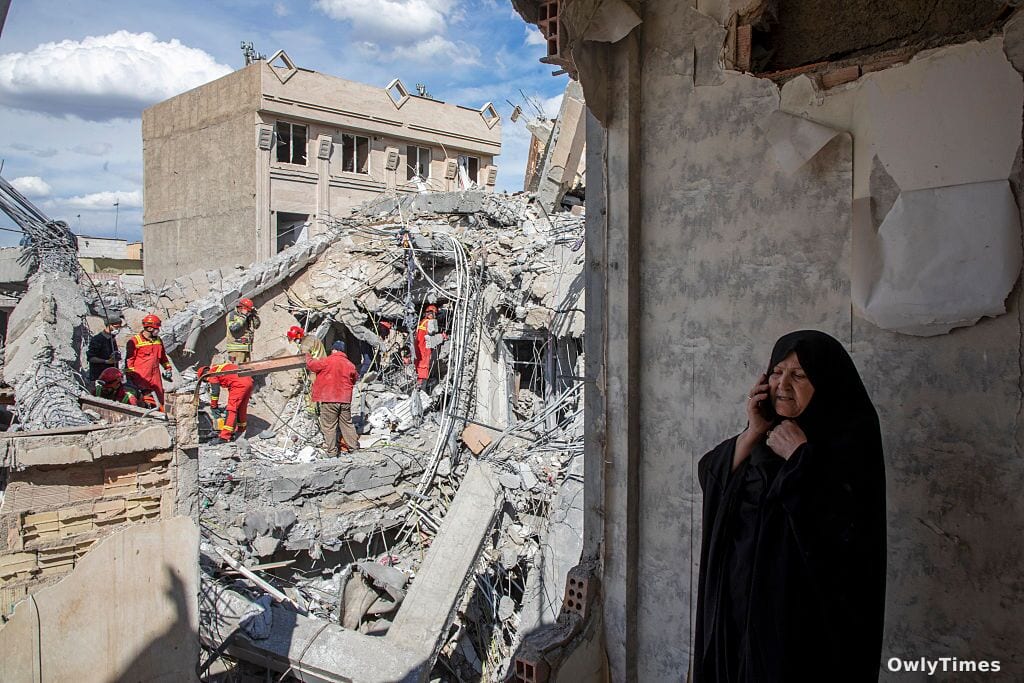

Is anyone actually paying attention to what’s not being destroyed in Iran? The endless stream of images showing smoldering factories and intercepted missiles is designed to convey a narrative of decisive action, of a conflict nearing resolution. But the real story here isn't the one-third of Iran’s missile capabilities the U.S. claims to have eliminated – it’s the two-thirds that remain, and the increasingly desperate attempts to contain a widening regional war that’s already claiming civilian lives at an alarming rate. We’re fixated on the spectacle of strikes while the underlying instability festers.
The latest escalation, marked by Friday’s Iranian strike on Saudi Arabia’s Prince Sultan Air Base – wounding at least 15 U.S. service members, five seriously – isn’t an isolated incident. It’s a calculated response, a continuation of Iran’s strategy since the war began a month ago: retaliating against U.S. presence in the region and attempting to force a withdrawal. The Pentagon’s tally of 13 U.S. killed and over 300 injured, while stark, feels almost…clinical. These aren’t statistics; they’re people whose lives have been irrevocably altered by a conflict fueled by geopolitical maneuvering. And the damage isn’t limited to personnel. Iran’s claims of damaging tankers at the base, backed by satellite imagery, suggest a deliberate targeting of logistical capabilities, not just symbolic posturing.
This article draws on reporting from NPR.
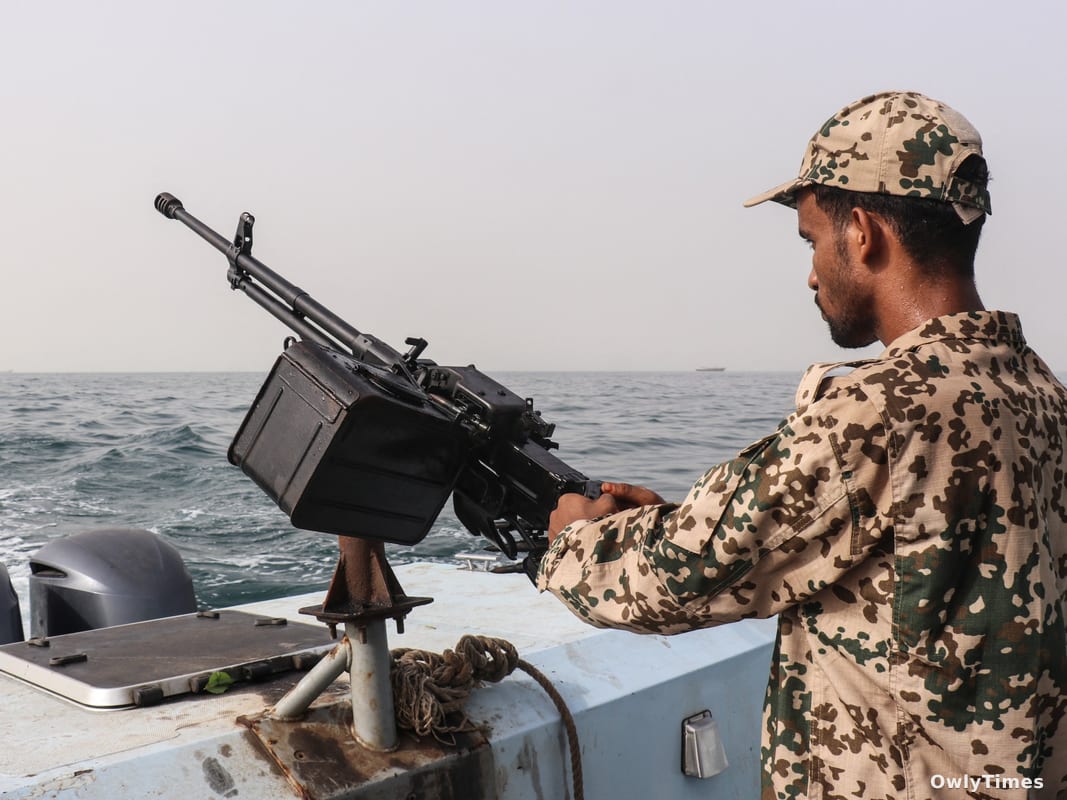
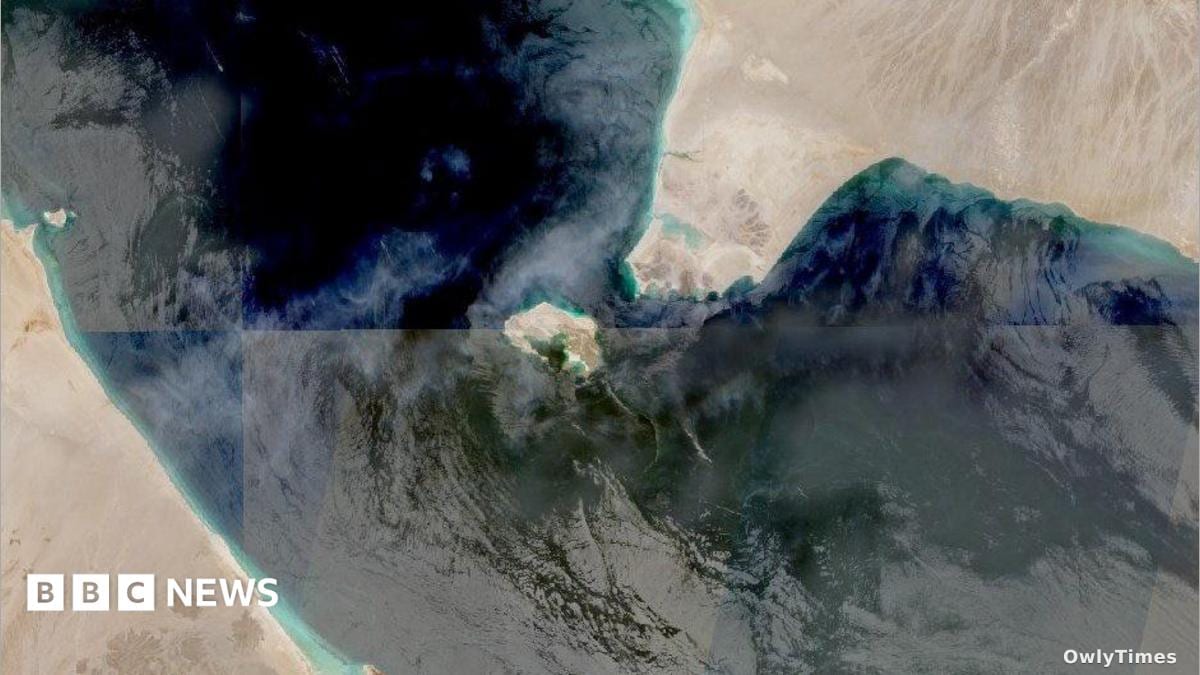
The arrival of the Japan-based 31st Marine Expeditionary Unit – 3,500 sailors and marines – is a predictable escalation, a flexing of military muscle intended to deter further attacks. But deterrence only works if the other side perceives a credible threat and believes the cost of escalation outweighs the benefit. Given Iran’s demonstrated willingness to absorb strikes and retaliate, that calculation is far from certain. Meanwhile, the conflict is rapidly expanding beyond a direct U.S.-Iran confrontation. The interception of a missile launched from Yemen toward Israel, and the subsequent Houthi claim of responsibility, signals a dangerous broadening of the conflict. The Houthis, with their history of disrupting shipping in the Red Sea – over 100 merchant vessels attacked between 2023 and 2025 – represent a significant threat to global trade, a consequence largely ignored in the breathless coverage of missile exchanges.
Israel’s intensifying assault on Lebanon, and the reported movement of thousands of troops northward toward the Litani River, is equally alarming. The killing of three Lebanese journalists – Ali Shoeib, Fatima Ftouni, and Mohammad Ftouni – in an Israeli drone strike, and the subsequent accusation by the Israeli military that Shoeib was a Hezbollah operative without providing evidence, raises serious questions about the rules of engagement and the protection of journalists in conflict zones. The displacement of a fifth of Lebanon’s population, with thousands seeking refuge in a soccer stadium in Beirut, paints a grim picture of a humanitarian crisis unfolding alongside the military operations. This isn’t about surgically removing Hezbollah; it’s about inflicting widespread suffering on a civilian population.
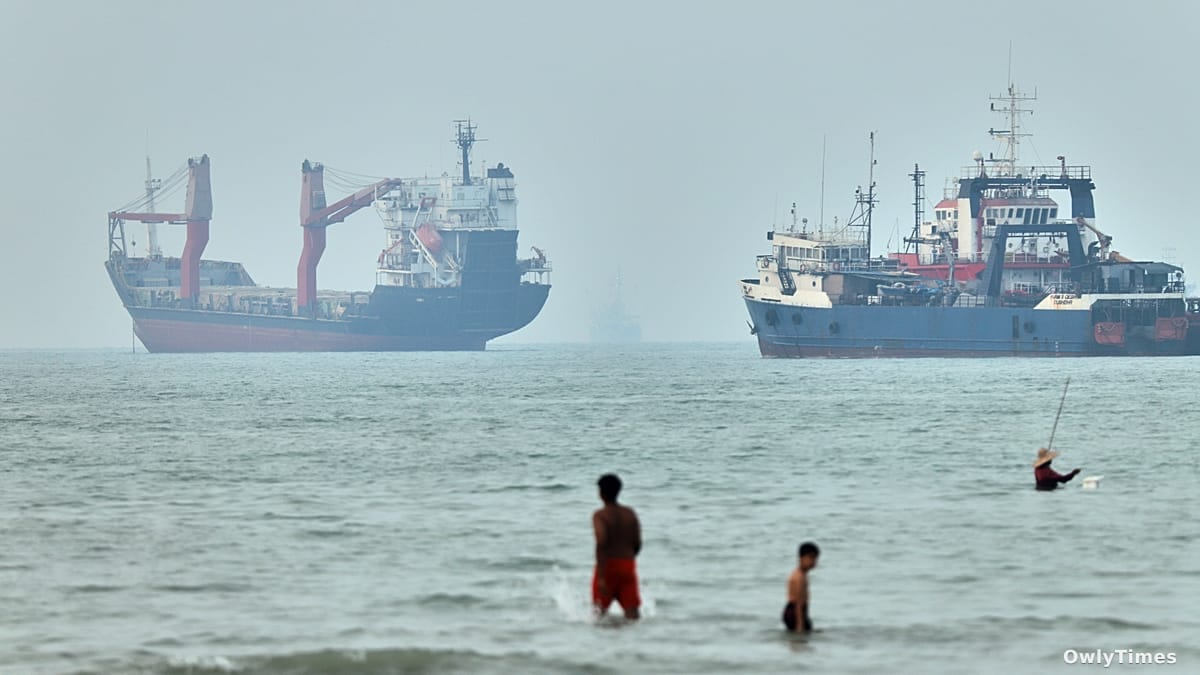
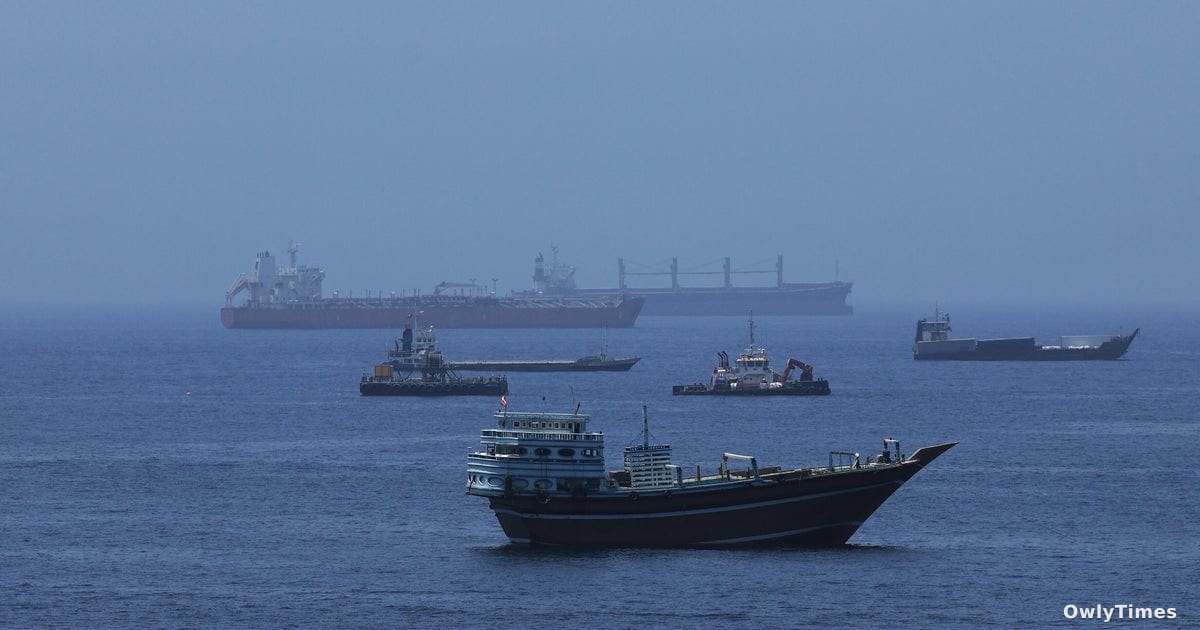
The rhetoric coming from Washington, particularly Secretary of State Marco Rubio’s assertion that the war is “ahead of schedule” and won’t be a “prolonged conflict,” feels dangerously disconnected from the reality on the ground. While the G7’s call for a “cessation of attacks against civilians” is welcome, it rings hollow without concrete action to de-escalate the situation. The threat of Iran establishing a toll system in the Strait of Hormuz, a waterway through which roughly a fifth of the world’s oil passes, is a stark reminder of the economic consequences of this conflict. The fact that most ships are already blocked from transiting the strait underscores the fragility of global supply chains and the potential for widespread economic disruption.
Pakistan’s attempt to mediate talks between Saudi Arabia, Turkey, Egypt, and potentially the U.S. and Iran, is a positive development, but its success hinges on a willingness from all parties to engage in genuine dialogue and compromise. The fact that the U.S. and Iran weren’t initially included in the talks suggests a deep level of distrust and a reluctance to directly address the underlying issues driving the conflict. The images of mourning families in Lebanon, like Mohammed Suleiman praying for his son, are a brutal reminder of the human cost of this escalating crisis.
Here’s what to watch for: in the next six months, expect to see a significant increase in cyberattacks targeting critical infrastructure in the Gulf region. As traditional military options become increasingly fraught with risk, both state and non-state actors will turn to cyber warfare as a means of inflicting damage and disrupting operations. The question isn’t if these attacks will happen, but when and how effectively they will be defended against.