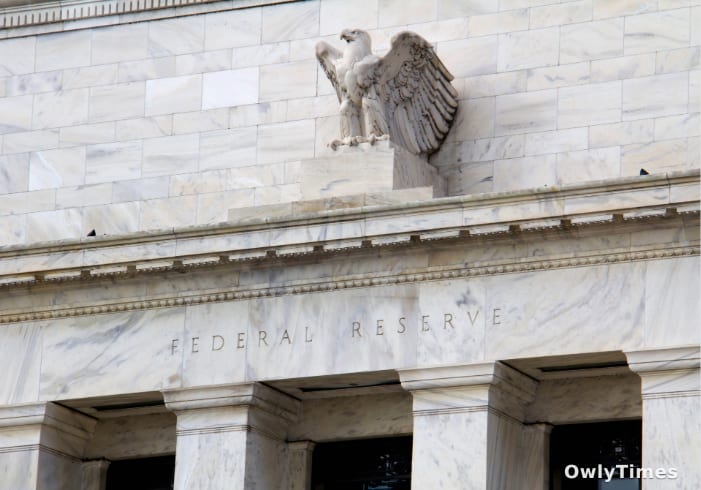

20% – that’s the percentage of capital US banks will continue to be required to hold against short-term trade finance exposures under proposed rules released March 19th by banking regulators. While seemingly a technical adjustment in the ongoing implementation of the Basel III accords, this decision to maintain the status quo represents a significant, and largely overlooked, win for American exporters and a calculated risk by regulators attempting to balance international standards with domestic economic realities. “Follow the money” here reveals a deliberate effort to avoid constricting credit flows to a sector vital for maintaining the US’s competitive edge, even as other parts of the Basel framework tighten lending conditions.
A Pause in the Tightening Cycle
The Basel III reforms, designed to bolster bank resilience after the 2008 financial crisis, have been rolled out in phases. The final tranche, now under consideration, focuses on revisions to credit risk, credit valuation adjustment (CVA) risk, and operational risk. The initial impulse was to apply stricter capital requirements across the board, including to trade finance – the often-complex web of lending and guarantees that facilitates international commerce. A 20% credit conversion factor (CCF) for short-term trade instruments means that for every $100 of exposure, banks must hold $20 in capital as a buffer against potential losses. Had regulators opted to increase this CCF, as some international counterparts have done, it would have directly translated into higher costs for exporters. Industry estimates suggest a 10-percentage-point increase in the CCF could reduce available trade credit by as much as $20 billion annually.
Based on the original gtreview.com report.
Why Trade Finance Got a Reprieve
The decision to hold steady on the 20% CCF isn’t a rejection of Basel principles, but a pragmatic response to the unique role trade finance plays in the US economy. Unlike many nations where large corporations dominate exports, American trade relies heavily on small and medium-sized enterprises (SMEs). These businesses often lack the scale and creditworthiness to secure financing on their own, making them particularly dependent on bank-backed trade finance solutions like letters of credit and guarantees. Federal Deposit Insurance Corporation (FDIC) data from Q4 2023 shows that commercial and industrial loans to SMEs – a category encompassing much of trade finance – grew by 6.8% year-over-year, outpacing the 4.2% growth in overall commercial lending. This indicates a heightened reliance on these facilities. Raising capital requirements would disproportionately impact these smaller players, potentially stifling export growth and undermining the Biden administration’s efforts to diversify supply chains and strengthen US manufacturing.
The Global Context: Diverging Paths
The US approach stands in contrast to developments elsewhere. European regulators, for example, are moving towards more conservative CCF levels for certain trade finance products, reflecting a different risk appetite and a larger proportion of trade handled by established multinational corporations. This divergence creates a potential competitive disadvantage for European exporters, but also highlights the US’s willingness to prioritize domestic economic considerations. It’s a calculated gamble: by maintaining lower capital requirements, the US is effectively subsidizing its export sector, accepting a slightly higher level of risk in exchange for increased trade volume. This isn’t a new tactic; the Export-Import Bank of the United States (EXIM) has long provided similar support through direct lending and guarantee programs. However, embedding this support within the broader regulatory framework signals a more systemic commitment to fostering exports.
What This Means for Your Wallet
The immediate impact of this decision won’t be visible to most consumers. However, the preservation of affordable trade finance will translate into more competitive pricing for American goods in international markets, and a more stable supply of imported goods. More importantly, it protects jobs in the manufacturing and agricultural sectors that rely on exports. The key question now is whether this reprieve will be sustained. The proposed rules are subject to a 60-day comment period, and lobbying efforts from both sides are expected to intensify. Investors should watch for any signals of regulatory backtracking, particularly if broader economic conditions deteriorate and pressure mounts to tighten lending standards across the board. Specifically, monitor the final rule published by the Federal Reserve, FDIC, and Office of the Comptroller of the Currency (OCC) in late May – will the 20% CCF remain unchanged, or will political and economic pressures force a compromise? The answer will reveal a great deal about the future of US trade policy and the balance between global regulatory harmonization and domestic economic priorities.