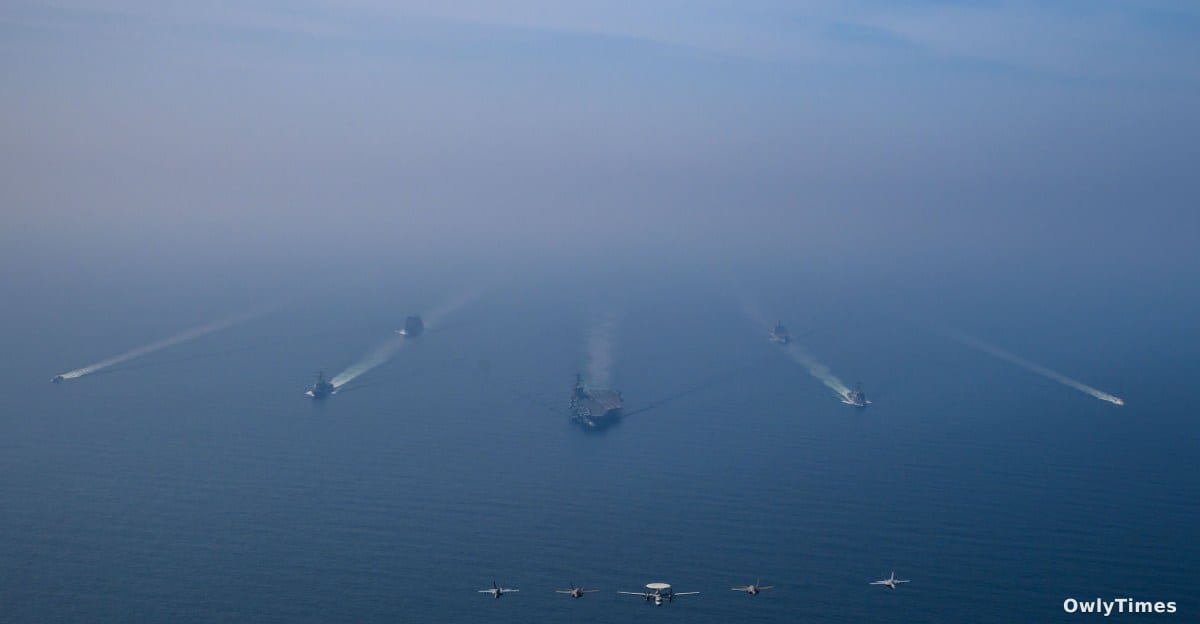

The calculated risk is now fully visible: the Trump administration isn’t simply pursuing a diplomatic off-ramp with Iran, it’s simultaneously signaling a high probability of military action, leveraging force as the primary negotiating tactic. This isn’t a failure of diplomacy, but a deliberate strategy to create a pressure cooker, forcing concessions from Tehran through the demonstrable threat of overwhelming military force. The deployment of two aircraft carrier strike groups, dozens of fighter jets, and a bolstered air defense network – the largest US military build-up in the Middle East since the lead-up to the 2003 invasion of Iraq – isn’t about preparing for a limited strike; it’s about establishing the capacity for a sustained, multi-week campaign.
The core dynamic at play is a familiar one in international relations: a demonstration of resolve intended to alter the cost-benefit analysis of the opposing side. While publicly, talks continue – with “guiding principles” reportedly agreed upon in Geneva between Steve Witkoff, Jared Kushner, and Iranian officials – dissenting voices within the administration, openly suggesting a 90% chance of war, serve as a potent signal to Tehran. This internal discord isn’t necessarily a sign of chaos, but a calculated leak designed to amplify the perceived severity of the situation. Who benefits and who loses from this strategy? Donald Trump benefits from appearing strong on Iran, fulfilling a long-held campaign promise. Benjamin Netanyahu benefits from a distraction from domestic political turmoil and a potential solution to the Iranian nuclear threat. Iran loses leverage, facing the prospect of crippling military action if it doesn’t yield to US demands. Regional allies like Saudi Arabia and the UAE, while wary of escalation, benefit from a potential weakening of their regional rival.
Original reporting: vox.com.
This situation echoes the “gunboat diplomacy” of the 19th century, where naval power was used to coerce states into accepting unfavorable terms. However, the stakes are far higher today. The current build-up isn’t a show of force aimed at a weaker, colonial power; it’s a confrontation with a nation possessing significant asymmetric capabilities, including ballistic missiles and a network of regional proxies. The June “12-day war,” a primarily Israeli operation with limited US involvement, served as a testing ground, revealing vulnerabilities in Iran’s air defenses and retaliatory capacity. But the current preparations suggest a far more extensive operation, potentially including a campaign to target Iranian leadership with the stated goal – as Trump himself suggested – of regime change. This ambition, while echoing rhetoric from previous administrations regarding Iraq and Libya, carries an exponentially greater risk of protracted conflict and regional instability.
The crux of the disagreement isn’t solely about Iran’s nuclear program, though the US demand for complete abandonment of enrichment is a non-starter for Tehran. It’s increasingly clear that Iran’s ballistic missile program is the central sticking point, particularly given its threat to Israel. This focus reveals the underlying strategic alignment between the US and Israel, where containing Iran’s missile capabilities takes precedence over a comprehensive nuclear agreement. However, Iran views its missile program as a vital deterrent and a core component of its national security, making compromise exceedingly difficult. The impasse is further complicated by differing negotiating styles: Iran seeks a detailed, technical agreement reminiscent of the 2015 JCPOA, while Trump appears to prioritize a quick, declarative political victory. This stylistic clash, combined with fundamental disagreements over core security interests, creates a volatile environment ripe for miscalculation.
The international response is equally fractured. While Israel fully supports military action, key allies like the UK are reportedly restricting US access to vital airbases, signaling a lack of full commitment to the potential conflict. Saudi Arabia and the UAE, while historically hawkish on Iran, are now hesitant to escalate, fearing Iranian retaliation and regional destabilization. Russia’s limited engagement – conducting joint naval drills with Iran – is unlikely to translate into substantial support should war break out. This lack of unified international backing underscores the isolation of the US position and increases the risk of a unilateral military intervention. The legal justification for such an intervention remains dubious, with the administration likely avoiding a congressional authorization vote, relying on the contested argument that limited military action doesn’t constitute “war” requiring congressional approval.
The political chess move to watch next isn’t whether Trump meets his self-imposed 10-day deadline, but whether he authorizes a significant expansion of special operations forces within Iran, ostensibly for intelligence gathering and contingency planning. Such a move, while seemingly less provocative than a large-scale air campaign, would represent a critical escalation, signaling a firm commitment to regime change and dramatically increasing the risk of direct confrontation with Iranian forces. It would be a clear indication that the diplomatic track is merely a facade, and the administration is fully prepared to gamble on a military solution, regardless of the potential consequences.