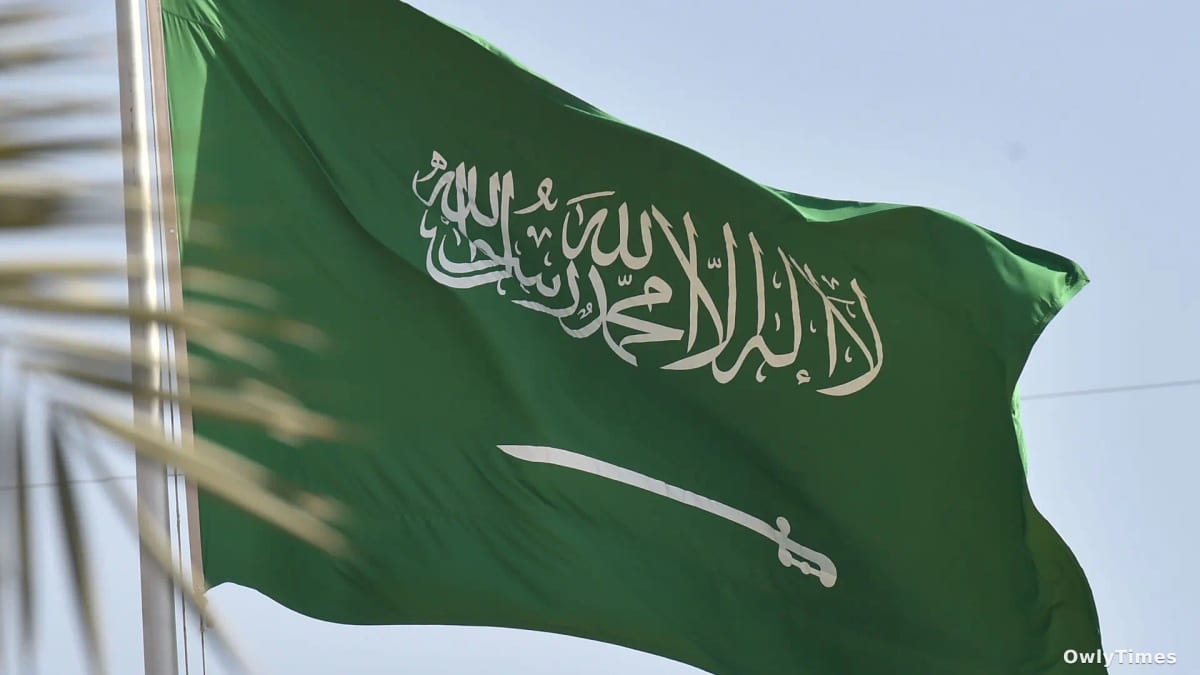

The Calculus of Confrontation: Saudi Arabia’s Public Accusation of Iran
The timing of Saudi Arabia’s forceful condemnation of Iran isn’t about the alleged attacks themselves – accusations of Iranian-backed proxies acting within Gulf states are hardly new – but about establishing a clear red line ahead of potential shifts in the regional security architecture. This isn’t simply a statement of outrage; it’s a strategic maneuver to solidify Riyadh’s position as the defender of Gulf sovereignty and to pressure the United States as negotiations surrounding Iran’s nuclear program potentially thaw. The statement, released on Saturday, accusing Tehran of breaching the sovereignty of the United Arab Emirates, Bahrain, Qatar, Kuwait, and Jordan, is designed to frame any future de-escalation with Iran as a direct concession to aggression, not a pathway to stability.
See the original dailypost.ng story for the full account.
The core of the accusation – that Iran is responsible for attacks within neighboring states – isn’t the novel element. What’s significant is the breadth of the accusation, naming six nations simultaneously. This isn’t a localized dispute; Saudi Arabia is attempting to portray Iran’s actions as a systemic threat to the entire region, demanding a unified response. The phrasing, describing the actions as “Iranian aggression” and a “clear violation of sovereignty,” is deliberately strong, mirroring language used in the lead-up to past escalations. This echoes the rhetoric employed by Saddam Hussein in the years preceding the 1990 invasion of Kuwait, where accusations of border violations and threats to sovereignty were used to justify military action – a historical parallel Riyadh is acutely aware of, and likely intends to subtly invoke.
Who Stands to Gain, and Who Faces Risk?
The immediate beneficiaries of this escalation are hardline elements within Saudi Arabia’s government and military establishment who have consistently advocated for a more assertive stance against Iran. For years, these factions have argued that diplomatic engagement with Tehran is futile and that only a firm, uncompromising approach will deter Iranian expansionism. This statement validates their position and strengthens their hand in internal policy debates. Conversely, those within the region – particularly Qatar and Kuwait – who have historically pursued a more conciliatory approach towards Iran find themselves in a precarious position, forced to publicly align with Saudi Arabia or risk being labeled as sympathetic to Iranian interests. The economic implications are also significant; a further destabilization of the Gulf could disrupt global oil supplies, driving up prices and impacting economies worldwide. In 2022, the region accounted for roughly 36% of global crude oil production, according to the U.S. Energy Information Administration, making its stability a global concern.
The statement’s call for the “international community” to condemn Iran and take “firm action” is primarily directed at the United States. Riyadh is attempting to leverage the current geopolitical climate – marked by ongoing tensions with Russia and concerns about China’s growing influence – to secure renewed security guarantees from Washington. The implicit message is clear: if the US prioritizes a nuclear deal with Iran over the security concerns of its Gulf allies, it risks alienating a key partner and further destabilizing the region. This mirrors the dynamic of the 1970s, when Saudi Arabia used its oil leverage to influence US foreign policy during the Cold War, demonstrating a consistent pattern of utilizing strategic assets to achieve political objectives.
The Shadow of the Nuclear Deal
The timing of this statement coincides with stalled negotiations regarding the Joint Comprehensive Plan of Action (JCPOA), the 2015 nuclear deal between Iran and world powers. While the Biden administration has expressed a desire to revive the agreement, talks have been deadlocked for months, largely due to disagreements over sanctions relief and verification mechanisms. Saudi Arabia has consistently opposed the JCPOA, arguing that it does not adequately address Iran’s ballistic missile program or its support for regional proxies. The Kingdom fears that lifting sanctions will embolden Tehran and provide it with the resources to further destabilize the region. The current statement can be interpreted as a deliberate attempt to raise the stakes and make it more politically difficult for the US to return to the deal.
The warning of “serious consequences if such actions continue” isn’t a specific threat of military retaliation, but rather a signal of intent to escalate pressure on Iran through other means – potentially including economic sanctions, cyberattacks, or increased support for opposition groups. Saudi Arabia has demonstrated a willingness to employ such tactics in the past, and the current statement suggests that it is prepared to do so again. The Kingdom’s offer to use “all its capabilities” to support any steps taken by the affected countries is a veiled promise of financial and logistical assistance, potentially including military aid. This is a calculated risk, as it could further escalate tensions and lead to a direct confrontation with Iran.
The Next Move: Monitoring Oman’s Role
The political chess move to watch next isn’t a direct response from Tehran – that’s predictable – but rather the role Oman will play in the coming weeks. Oman has historically served as a discreet mediator between Saudi Arabia and Iran, hosting secret talks and facilitating communication channels. The fact that Saudi Arabia chose to issue this public condemnation despite Oman’s mediation efforts suggests a deliberate attempt to bypass traditional diplomatic channels and directly appeal to the international community. Will Oman be able to salvage a backchannel dialogue, or has Riyadh effectively sidelined its traditional intermediary? The answer to that question will reveal whether Saudi Arabia is genuinely seeking de-escalation, or is instead preparing for a more prolonged and confrontational standoff with Iran.





