
Beyond Nuclear: The US Military Buildup as Leverage in a Broader Regional Strategy
The current, substantial increase in US military assets in the Middle East isn’t solely about preventing Iran from developing a nuclear weapon; it’s a calculated demonstration of power designed to reshape the negotiating position of all parties involved, and to signal resolve beyond the nuclear file. While official messaging focuses on deterring Iranian aggression and ensuring regional stability during stalled nuclear talks, the scale of the deployment – air and naval assets being rapidly amassed – suggests a willingness to project force across a wider spectrum of potential conflict scenarios. This isn’t simply a holding pattern; it’s a strategic repositioning with implications extending far beyond Vienna.
The Biden administration inherited a deeply fractured relationship with Iran following the Trump administration’s withdrawal from the Joint Comprehensive Plan of Action (JCPOA) in 2018. The current buildup isn’t a departure from the Obama-era “deterrence by denial” strategy, but a significant escalation of it. The Obama administration focused on economic sanctions and covert operations; the current approach adds a visible, kinetic element. This shift is particularly notable given President Biden’s stated preference for diplomacy. The deployment suggests that the administration believes the diplomatic track has reached an impasse, and that increased pressure – the threat of military action – is now necessary to compel concessions. Who benefits from this shift? Primarily, the US and its regional allies – Israel and Saudi Arabia – who have consistently advocated for a harder line against Iran. Who loses? Iran, obviously, but also potentially European nations invested in preserving the JCPOA, who now face a more volatile regional environment and diminished leverage.
The timing is crucial. The Epstein files’ release and the resulting political fallout – including calls for the resignation of the head of the 2028 Los Angeles Olympics committee – are a distraction, but a significant one. The administration is simultaneously navigating domestic political crises while attempting to reassert US influence abroad. This parallel track is not accidental. The domestic turmoil provides a degree of cover for actions in the Middle East that might otherwise face greater scrutiny. Moreover, the focus on the Epstein case, and other scandals, serves to further erode public trust in institutions, creating a climate where decisive, even aggressive, foreign policy actions can be framed as necessary to restore American leadership. This echoes the post-Watergate era, when President Carter attempted to project strength abroad to compensate for domestic weakness.
Source material: CNN.
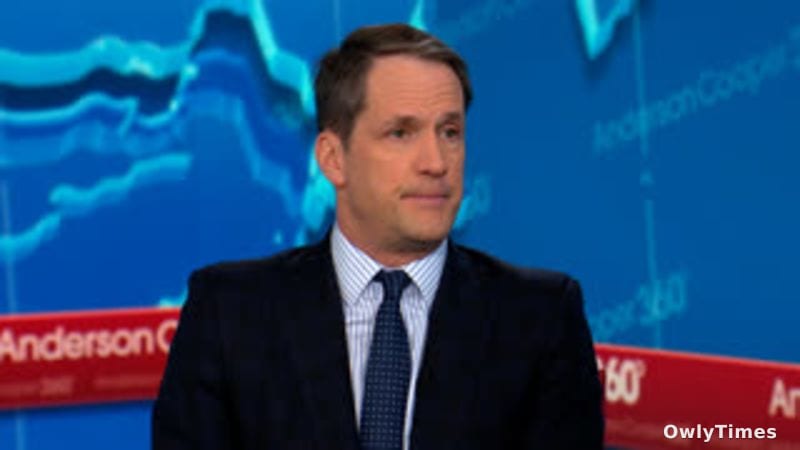
House Intelligence Committee Ranking Member Jim Himes’ assessment – “Regime change can't happen just from the air” – is a pointed acknowledgement of the limitations of military force, but also a tacit admission that regime change is being considered as a potential outcome. The statement isn’t about the feasibility of a direct invasion, but about the broader strategic calculus. The US is signaling its willingness to escalate, potentially to the point of destabilizing the Iranian government, even if a full-scale military intervention is not on the table. This is a classic example of coercive diplomacy, where the threat of force is used to achieve political objectives. The historical precedent here is the Reagan administration’s buildup of naval forces in the Persian Gulf in the 1980s, intended to deter Iranian interference with shipping lanes during the Iran-Iraq War.
However, the current situation differs significantly. The regional landscape is far more complex, with multiple actors – including Russia and China – vying for influence. Iran’s proxy networks are more deeply entrenched, and the potential for miscalculation is higher. The risk of escalation, either through direct confrontation or through proxy conflicts, is substantial. The administration is walking a tightrope, attempting to balance the need to deter Iran with the need to avoid a wider regional war. The next political chess move to watch isn’t in Washington or Tehran, but in Moscow. Will Russia continue to deepen its ties with Iran, providing them with military and economic support, effectively challenging the US’s strategic position? The answer to that question will determine whether this military buildup is a prelude to diplomacy, or a descent into a new era of conflict.





