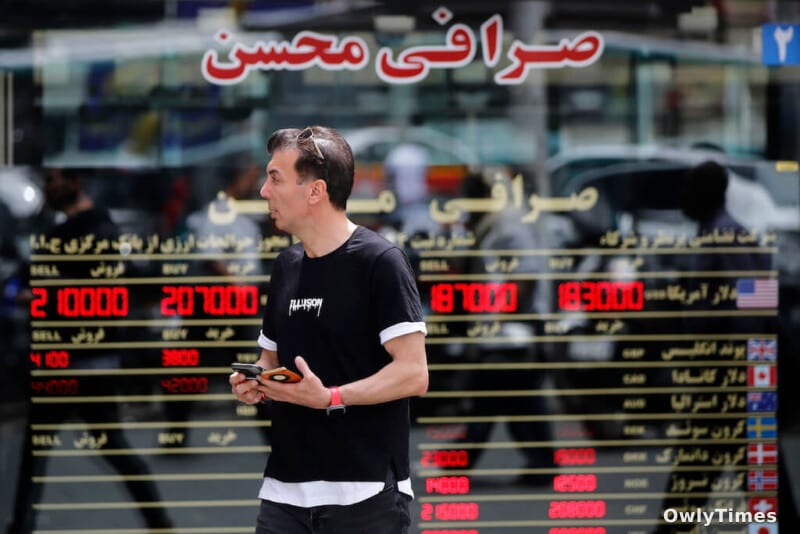

The strategic calculus of the ongoing conflict between Iran, the United States, and Israel has moved beyond military theater and into the systematic dismantling of the Iranian domestic labor market. By weaponizing both physical infrastructure—through airstrikes on industrial hubs—and digital connectivity—through internet throttling—the war has forced a contraction of the private sector that the state is currently ill-equipped to subsidize. This shift signals a transition from managing a sanctioned economy to navigating a wartime collapse, where the primary casualty is the country's middle class.
The Cost of Industrial Attrition
The damage to Iran’s industrial base is not merely collateral; it is a fundamental disruption of the supply chain. EcoIran reports that more than 23,000 factories and businesses have been affected by the current hostilities, a figure that underscores the scale of the economic retreat. The ripple effects are stark: when petrochemical facilities are struck, the resulting steel shortages cascade into manufacturing. This is best exemplified by trailer manufacturer Maral Sanat, which was forced to lay off 1,500 workers, and the textile giant Borujerd, which shed 700 employees.
Who benefits and who loses in this environment is clear. The state, already burdened by a drop in national income per person—from roughly $8,000 in 2012 to about $5,000 by 2024—loses its tax base and social stability. Meanwhile, the labor force bears the full weight of the crisis. Iranian Deputy Work and Social Security Minister Gholamhossein Mohammadi has placed the direct job loss count at one million, with an additional one million positions lost to broader economic disruptions.
Digital Isolation and the Remote Workforce
The war has effectively severed Iran’s link to the global digital economy. For professionals like Asal, a freelance designer based in Tehran, the internet restrictions represent an immediate termination of her livelihood. This is not an isolated hardship; it is a structural barrier to entry for the modern Iranian workforce.
The data indicates that this burden falls disproportionately on women, who account for approximately one-third of all unemployment insurance claims since the start of the conflict. The experiences of individuals like Somayeh, an online teacher in Isfahan whose work has been rendered impossible by platform instability, highlight how the state’s security-focused internet policies are actively accelerating the unemployment crisis.
Strained Social Safety Nets
The surge in unemployment insurance applications—reaching 147,000 over the past two months, nearly triple the volume seen during the same period last year—reveals a social safety net nearing a breaking point. Hadi Kahalzadeh of the Quincy Institute for Responsible Statecraft notes that the compounding effects of war, inflation, and a collapse in consumer demand threaten the very foundation of the labor market. While the government considers expanding food vouchers, the disparity in treatment between public sector employees and private business workers—a point of contention raised by Saeed Tajik—risks exacerbating internal social tensions.
The historical parallel here is the period of unrest that preceded the current conflict, where inflation and stagnant living standards served as the primary drivers of nationwide protests. As the United Nations Development Program estimates that as many as 4.1 million additional Iranians could fall into poverty, the government’s capacity to maintain political control will be tested by the daily reality of a shrinking economy. The next reading of unemployment insurance application figures will demonstrate whether the current industrial hemorrhaging is stabilizing or if the labor market is entering a phase of total systemic failure.





