
The erosion of bipartisan support for Israel isn’t a gradual shift; it’s a strategic realignment unfolding in real-time, and the latest Gallup poll – revealing more American sympathy for Palestinians (41%) than Israelis (36%) – isn’t a symptom of that realignment, but its most visible marker to date. This isn’t simply about changing public opinion; it’s about a fracturing of long-held assumptions regarding US foreign policy, domestic political calculations, and the very nature of the US-Israel relationship. The numbers, while within the margin of error, represent a dramatic departure from the consistent double-digit lead Israel enjoyed in Gallup surveys since 2001, accelerating particularly under the Biden administration and following the policies enacted during the Trump years.
The conventional narrative frames this as a Democratic Party drift, but the data tells a more nuanced story. Democratic sympathy for Israel already plummeted between 2023 and 2025, and hasn’t significantly changed since. The critical shift is among independents – flipping from a 42-34% favorability towards Israel in 2025 to 41-30% favoring Palestinians now. This independent swing is the pressure point, indicating a broader disillusionment with the status quo that transcends traditional party lines. Simultaneously, Republican support, while still comparatively strong, has experienced a 10-point decline since 2024, a trend particularly pronounced among younger voters. From 2024-2026, only 52% of young Republicans expressed greater sympathy for Israelis, down from 69% in the 2018-2020 period.
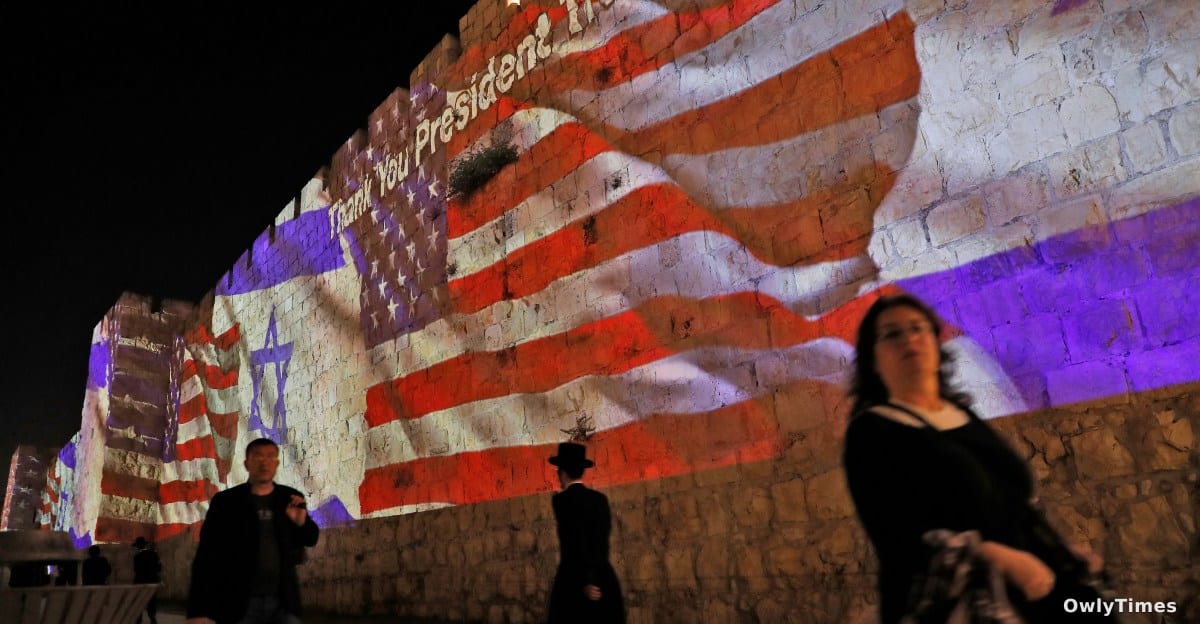
This isn’t isolated to polling data. The shift is reflected in the increasingly mainstream opposition to arms sales to Israel within the Democratic party, and the growing toxicity of the American Israel Public Affairs Committee (AIPAC) among progressive voters. For decades, AIPAC successfully maintained a bipartisan consensus, but that consensus is demonstrably breaking down. The historical context is crucial: the alignment of Israel with the Republican Party began in the 2000s, framed as a strategic alliance in the post-9/11 “war on terror” and appealing to conservative evangelicals. However, Prime Minister Benjamin Netanyahu’s increasingly overt embrace of the Trump administration – including public clashes with the Obama administration over the Iran nuclear deal, the relocation of the US embassy to Jerusalem, and endorsement of Israeli sovereignty over the Golan Heights – appears to be a miscalculation.
The gamble on a consistently pro-Israel Republican Party is showing cracks, even within that base. The rise of “America First” elements within the MAGA movement, exemplified by figures like Tucker Carlson and Marjorie Taylor Greene, are openly questioning US support for Israel. Carlson’s interview with Mike Huckabee, the US ambassador to Israel, highlighted this tension, with Huckabee’s suggestion of Israel’s potential claim to vast regional territories – even while disclaiming any current ambition – resonating negatively in the Middle East. This isn’t solely about foreign policy; the presence of antisemitic voices within these movements, like Nick Fuentes, and the use of antisemitic tropes by candidates like James Fishback, complicate the narrative and expose a darker undercurrent. Even Donald Trump himself reportedly acknowledged to a Jewish donor last year that “my people are starting to hate Israel,” a telling admission from the architect of many policies bolstering Israel’s position.
Reporting from vox.com informs this analysis.
The Biden administration’s actions, while publicly maintaining support for Israel, reveal a subtle recalibration. The decision to provide embassy services to US citizens in West Bank settlements – a move widely condemned internationally as an endorsement of illegal settlements – was coupled with reported White House preference for Israel to initiate any potential military conflict with Iran, ostensibly for political reasons: “the politics are a lot better if the Israelis go first.” This calculation, however, is predicated on a political landscape that is rapidly shifting, as evidenced by the Gallup data. Who benefits and who loses from this shift? Israel loses a reliable, bipartisan base of support in the US. The Palestinian Authority gains a potential, though limited, leverage point in negotiations. And domestically, the Democratic Party gains an opportunity to redefine its foreign policy stance, while the Republican Party faces internal divisions over its commitment to Israel.
The political chess move to watch next isn’t a grand diplomatic gesture, but the upcoming Congressional debates over aid packages to Israel. Will the Republican Party maintain its unified front, or will the emerging fissures widen? More importantly, will Democrats leverage this moment to attach conditions to aid, demanding concessions on settlement policy or a renewed commitment to a two-state solution? The answer to that question will reveal the true extent of the realignment and the future trajectory of US-Israel relations.





